
Unbiased headlines. Facts, not spin.
Every story is an unbiased news briefing written from 110+ sources across the spectrum — sources linked so you can verify it yourself.
 health
Low Interest (4/10)
June 8, 2026 at 06:50 AM
health
Low Interest (4/10)
June 8, 2026 at 06:50 AM
Mayim Bialik Took One GLP-1 Shot, Spent Weeks Sick — Her Essay Is a Warning the Drug Industry Doesn't Want Trending
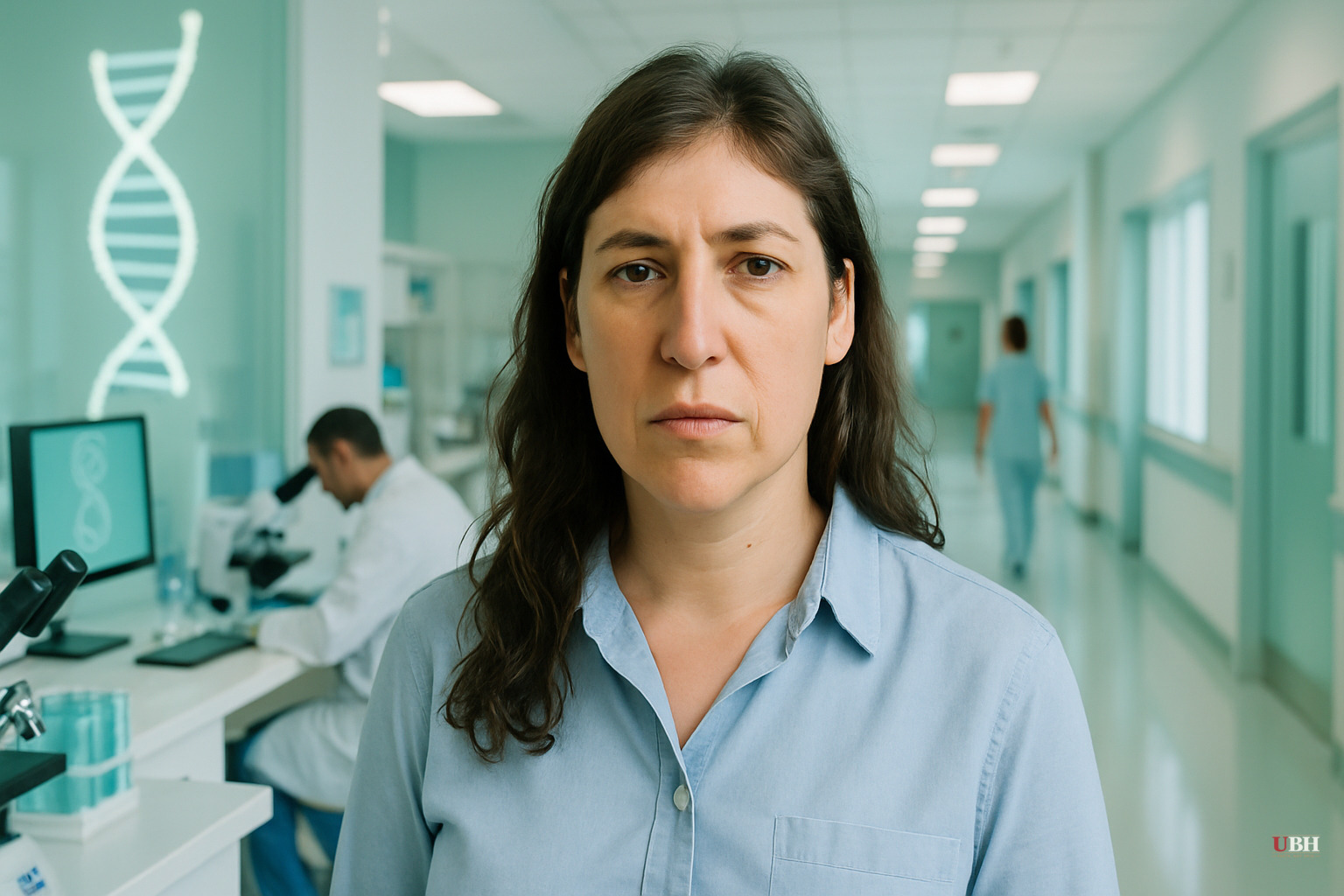
The Real Story Isn't About a Celebrity — It's About Drug Hype vs. Reality
Mayim Bialik is 50 years old, holds a PhD in neuroscience from UCLA, and has been managing a stack of serious autoimmune conditions for most of her adult life. She is NOT your average weight-loss drug casualty story.
On June 5, 2026, Bialik published a detailed personal essay in The Free Press laying out exactly what happened when she tried a GLP-1 medication. The coverage since has mostly filed it under "celebrity health scare." That misses the point entirely.
What She Actually Said
Bialik was diagnosed with Graves' disease in her early 20s. She has since been diagnosed with Sjögren's syndrome, dysautonomia, connective tissue disease, and mast cell activation syndrome, according to her essay as reported by multiple outlets including TheHealthSite and Vertex AI-indexed coverage from June 6-7, 2026.
Three separate doctors recommended she try a GLP-1 drug — NOT for weight loss, but because emerging research suggests the drug class may reduce systemic inflammation. That distinction matters. A lot.
She took one injection at the lowest available dose.
What followed, in her own words as quoted by The Free Press and picked up by TheHealthSite: "Explosive, uncontrollable diarrhoea. Sulfur burps so violent, they left me afraid to open my mouth in public. Sneezing attacks every time I tried to eat or drink."
There's even a clinical name for that last one: snatiation — a reflex that triggers sneezing in response to eating. She couldn't keep water down. She didn't make it to the bathroom more than three times.
This lasted weeks from a single shot.
The Medical Reality Nobody Wants to Headline
GLP-1 receptor agonists — drugs like semaglutide (Ozempic, Wegovy) and tirzepatide (Mounjaro) — are genuine medical advances for millions of people with Type 2 diabetes and obesity. That's real. The benefits for that population are well-documented.
But the mainstream narrative has spent three years turning these drugs into a cultural phenomenon, a Hollywood weight-loss hack, and a multi-billion dollar growth story for Novo Nordisk and Eli Lilly.
The side effect profile gets consistently soft-pedaled.
According to Dr. Mandeep Singh Malhotra, Director of Surgical Oncology at CK Birla Hospital Delhi, as cited by TheHealthSite on June 7, 2026 — gastrointestinal side effects from GLP-1 drugs range from nausea to severe diarrhea, and they are known and documented reactions. Not rare anomalies. Not statistical noise.
Bialik's own gastroenterologist reportedly told her that some patients experience exactly these kinds of digestive reactions. Her doctor was NOT surprised.
What the Coverage Got Wrong
Fox News filed this under entertainment. So did most outlets. The framing was "celebrity has bad drug experience" rather than "doctor-recommended medication sent a patient with autoimmune disease into weeks of debilitating illness on the lowest possible dose."
The framing itself reveals a problem in how these stories get told.
Bialik herself acknowledged in her essay that GLP-1 drugs "have helped people in serious need." She is NOT anti-medication. She's pro-informed consent. Her point — which most coverage buried — is that the conversation about what happens when things go wrong is nearly nonexistent.
Millions of people are now taking these drugs. Not all of them have been thoroughly screened. Not all of them have a neuroscience PhD and the resources to navigate a weeks-long adverse reaction. Not all of them know what "mast cell activation syndrome" is or whether it might interact badly with a GLP-1 agonist.
The Broader Problem
The GLP-1 market was valued at over $50 billion globally in 2025 and is projected to keep exploding. Novo Nordisk and Eli Lilly are two of the most powerful pharmaceutical companies on earth right now, partly because of these drugs.
When that kind of money is attached to a drug narrative, adverse reaction stories get minimized. They get filed under "entertainment" when a celebrity tells them. They get treated as outliers.
Bialik is NOT an outlier. She's a documented case that her own gastroenterologist found completely credible and medically explicable.
What This Means for Regular People
If your doctor is recommending a GLP-1 drug — for weight loss, for diabetes, or for anything off-label like inflammation management — ask the hard questions. Ask specifically about gastrointestinal risk. Ask whether your existing health conditions, particularly autoimmune or histamine-related conditions, create elevated risk for adverse reactions.
"Three doctors recommended it" is NOT a guarantee of safety. Bialik had three doctors recommend it too.
The drug works for a lot of people. It clearly does NOT work for everyone. The medical establishment and the media covering this industry owe patients an honest accounting of both sides — not a celebrity news brief filed between Taylor Swift rumors and a Tony Awards preview.
Bialik said she spoke out because she wanted people to know what can happen "when things go wrong." Readers deserve to hear the full story.
Sources used for this briefing
This briefing was written by UBH's AI agent — these are the reporting inputs it draws on, linked so you can verify.


