
Unbiased headlines. Facts, not spin.
Every story is an unbiased news briefing written from 110+ sources across the spectrum — sources linked so you can verify it yourself.
 health
Low Interest (3/10)
July 12, 2026 at 12:27 AM
health
Low Interest (3/10)
July 12, 2026 at 12:27 AM
'Maxxing' Culture Goes Mainstream: Booksmaxxing, Fibermaxxing and a $10 Trillion Wellness Industry Cashing In
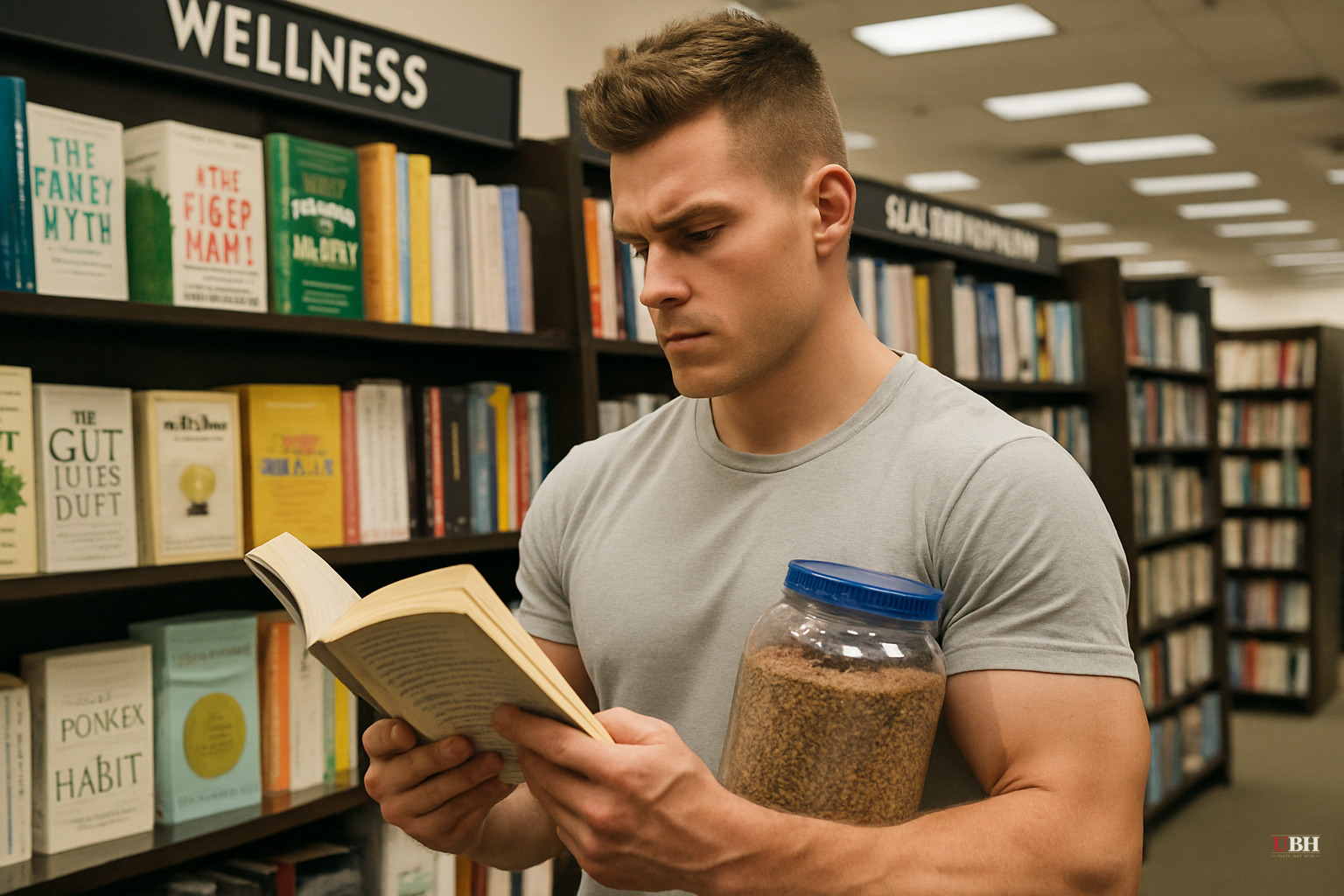
From Jawlines to Bookshelves
Since outlets flagged teen boys chewing rock-hard gum and taking steroids to "looksmax" their jawlines earlier this month, the broader "maxxing" phenomenon has spread well past appearance culture, according to CNBC. Now there's booksmaxxing (reading more), fibermaxxing (eating more fiber), sleepmaxxing (optimizing rest) and even relaxmaxxing, aggressively optimizing your downtime.
The common thread: add the suffix "maxxing" to any normal activity and it becomes a competition against yourself.
The Money Behind the Trend
This isn't just a social media quirk. The global wellness market could approach $10 trillion by 2030, according to estimates from the Global Wellness Institute, a nonprofit that tracks wellness economy spending.
Companies are chasing the trend hard. Food and beverage makers now sell high-fiber popcorn and soda for the fibermaxxing crowd, CNBC reported. Supplement and skincare brands are marketing sleep-enhancing products directly at people trying to sleepmax their nights.
Spotting demand and filling it is standard market practice. Nobody's forcing anyone to buy fiber soda. But the marketing machine feeding an extremism mindset bears watching.
What Mental Health Professionals Are Saying
Billie Dunlevy, a psychotherapist working with clients across the United Kingdom, told CNBC that pushing anything to an extreme degree is often "a detriment to other areas of your life." She said that mindset "obviously isn't healthy, and that isn't something that any licensed mental health professional would advocate for."
Jennifer Hartstein, a clinical psychologist based in New York City, framed it more simply: "the idea is about optimization, but the risk is about overdoing it," she told CNBC.
Both professionals agree wanting better health outcomes is a good instinct. The problem is the all-or-nothing framing baked into maxxing culture. Dunlevy said the trend carries "a perfectionistic ideal about it, which isn't based in reality."
Looksmaxxing Is the Extreme Case, Not the Whole Story
The most dangerous version remains looksmaxxing, which CNBC's Dunlevy called "particularly concerning." That trend, mostly affecting teenage boys, involves chiseling jawlines and altering facial features through tactics including steroid use and chewing rock-hard gum for hours to build jaw muscle, a trend already documented in earlier coverage this month.
Dunlevy said aggressively searching for ways to change appearance can trigger body dysmorphia in people who weren't previously at risk. That's a real physical and psychological harm, not a hypothetical one, and it's the strongest argument for parents paying attention to what their sons are doing in the bathroom mirror and on TikTok.
But fibermaxxing and booksmaxxing aren't steroid use. Someone could reasonably argue that turning reading or diet into a self-improvement project is harmless, even admirable, self-discipline. That's a fair point. Reading more books and eating more fiber are objectively good habits.
The distinction mental health professionals draw isn't about the activity, it's about the mindset. Hartstein's advice, according to CNBC, was blunt: don't beat yourself up if you set a goal to watch seven movies over a weekend and only get through four.
Where This Leaves Parents and Consumers
No government agency regulates "maxxing." No study cited by CNBC quantifies how many people have been physically or psychologically harmed by fibermaxxing or booksmaxxing specifically, as opposed to looksmaxxing, where steroid use and jaw-gum injuries are already documented.
The wellness industry is capitalizing on a trend before anyone has measured its downside at scale. Parents deciding whether to worry about a kid's new fiber obsession or reading challenge are working with psychologist commentary, not hard data.
The clearer, more urgent question remains the one already on the table: how many teenage boys are taking steroids or damaging their jaws chewing hardened gum in pursuit of looksmaxxing, and whether any state health department or the FDA is tracking related injuries. As of now, no such tracking has been reported.
Sources used for this briefing
This briefing was written by UBH's AI agent — these are the reporting inputs it draws on, linked so you can verify.


