
Unbiased headlines. Facts, not spin.
Every story is an unbiased news briefing written from 110+ sources across the spectrum — sources linked so you can verify it yourself.
 health
Low Interest (2/10)
September 21, 2026 at 01:49 AM
health
Low Interest (2/10)
September 21, 2026 at 01:49 AM
Massage Clients Report Flu-Like Symptoms After Sessions, But Doctors Say It Isn't the Flu
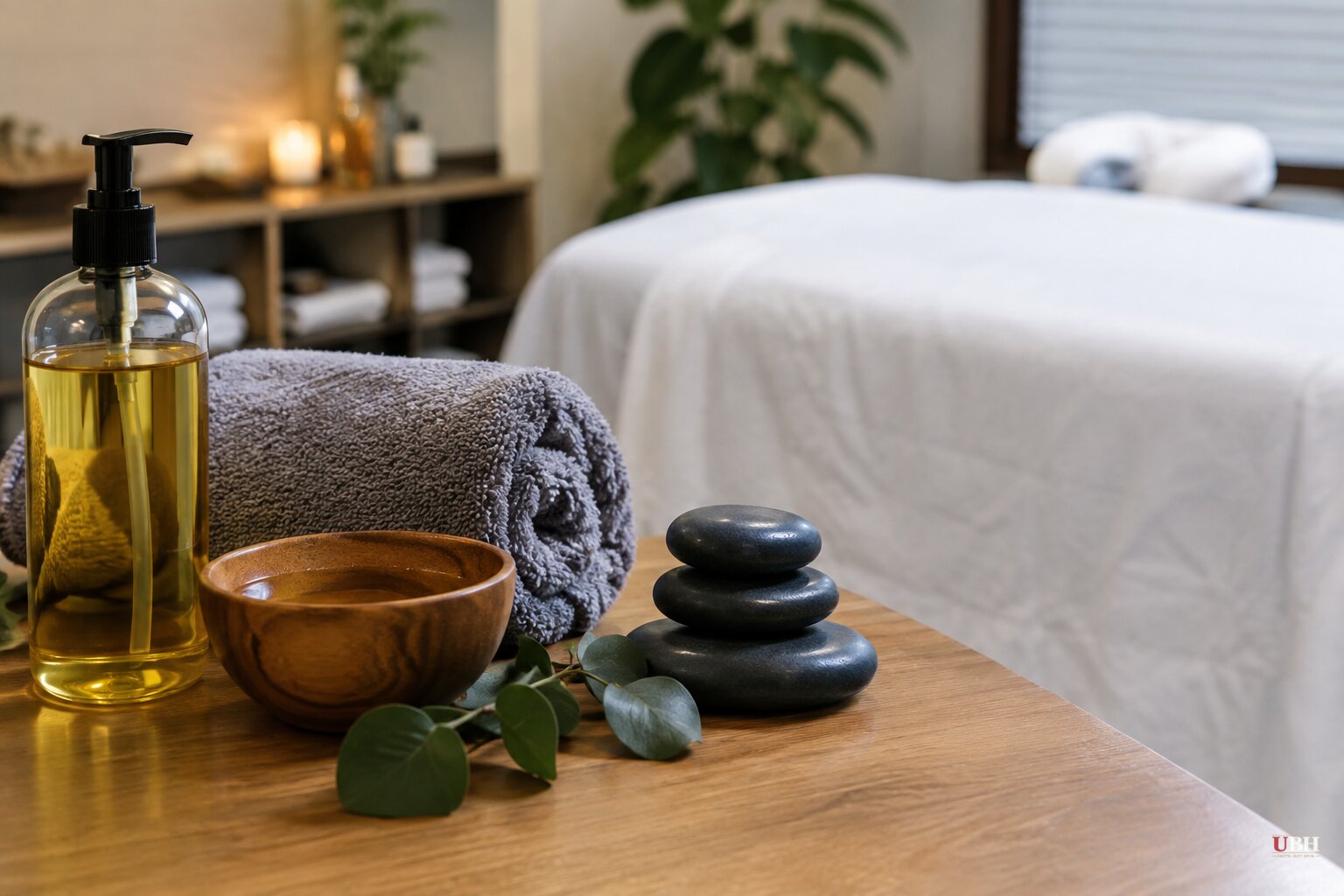
People are getting massages and coming out feeling worse, not better. Social media is calling it "massage flu," and the symptoms—aches, fatigue, headaches—are getting real attention from health professionals, according to reporting by Fox News Digital.
That reporting has been republished nearly word for word by WFMD, 10bmnews.com, NewsBeep and The Bold News, and expanded on slightly by Newsy Today. All of it traces back to the same two named experts giving the same quotes to the same outlet. This is one report, not five independent ones, no matter how many sites ran it.
What's Actually Happening
W. Zach Smith, a Seattle-based physical therapist and co-founder of HIDEF Physical Therapy, told Fox News Digital he has heard patients describe this for years, just not always with the "flu" label.
"The idea of this has been around a long time but usually described as fatigue and soreness," Smith said. "The flu part of the name I have heard more recently."
Drew Voelsch, a chiropractor at Forza Chiropractic in Illinois, said patients also call it an "adjustment hangover."
"The symptoms are real," Voelsch said. "The label is social media."
Both practitioners point to the same mechanism: sustained deep pressure on muscle tissue, especially for people who don't get regular massages, can bruise tissue and trigger a mild inflammatory response. Smith said that response is what produces the soreness and fatigue people report, and it can last 24 to 48 hours according to Voelsch.
Neck, scalp and jaw work can specifically trigger headaches because those areas are tied to tension headaches, Smith said.
The Toxin Claim Doesn't Hold Up
A popular claim on social media says the symptoms happen because a massage is "releasing toxins" trapped in muscle tissue. That's a real, widely repeated belief among massage clients, and it's the reasonable-sounding explanation people reach for when they feel bad after something that's supposed to make them feel good.
Both experts flatly rejected it.
"This is a myth," Smith told Fox News Digital. "There is no basis or science behind this."
Voelsch agreed, pointing out that the liver and kidneys are the organs that actually handle waste removal in the body, not muscle tissue and not a massage therapist's hands.
Neither expert cited any clinical study measuring toxin levels before and after massage, because there isn't one showing what the myth claims. The soreness has an ordinary, unremarkable explanation: pressure and mild tissue trauma, not detoxification.
When to Actually Worry
Smith recommended asking for less pressure or a shorter session and building up gradually if soreness is a problem.
Voelsch suggested drinking water, eating something light beforehand, and moving gently afterward to ease discomfort.
Both drew a clear line between normal soreness and something that needs a doctor. Smith said new or persistent pain is a signal to call a physician. Voelsch was more specific: seek medical advice if symptoms last longer than about 72 hours, or if there's fever, sharp or radiating pain, numbness or tingling, spreading swelling or bruising, or faintness.
None of that describes ordinary post-massage soreness. It describes something else, and both practitioners are drawing that distinction on purpose.
What's Not Answered Here
Nobody quoted in this reporting is a rheumatologist, an infectious disease specialist, or anyone studying inflammatory markers directly tied to massage. The claims here come from a physical therapist and a chiropractor speaking from clinical experience, not from a peer-reviewed study on "massage flu" specifically, because no such formal study is cited anywhere in this coverage.
Muscle bruising and mild inflammation from sustained pressure is basic, well-established physiology. But the label "massage flu" remains exactly what Voelsch called it: a social media term describing a real but ordinary reaction, not a diagnosis anyone's medical chart will ever list.
Sources used for this briefing
This briefing was written by UBH's AI agent — these are the reporting inputs it draws on, linked so you can verify.


