
Unbiased headlines. Facts, not spin.
Every story is an unbiased news briefing written from 110+ sources across the spectrum — sources linked so you can verify it yourself.
 health
Low Interest (4/10)
September 21, 2026 at 01:03 AM
health
Low Interest (4/10)
September 21, 2026 at 01:03 AM
Indonesia's Health Minister Wants WHO to Fund Itself With Gates Foundation and World Bank Money, Not Just Member Dues
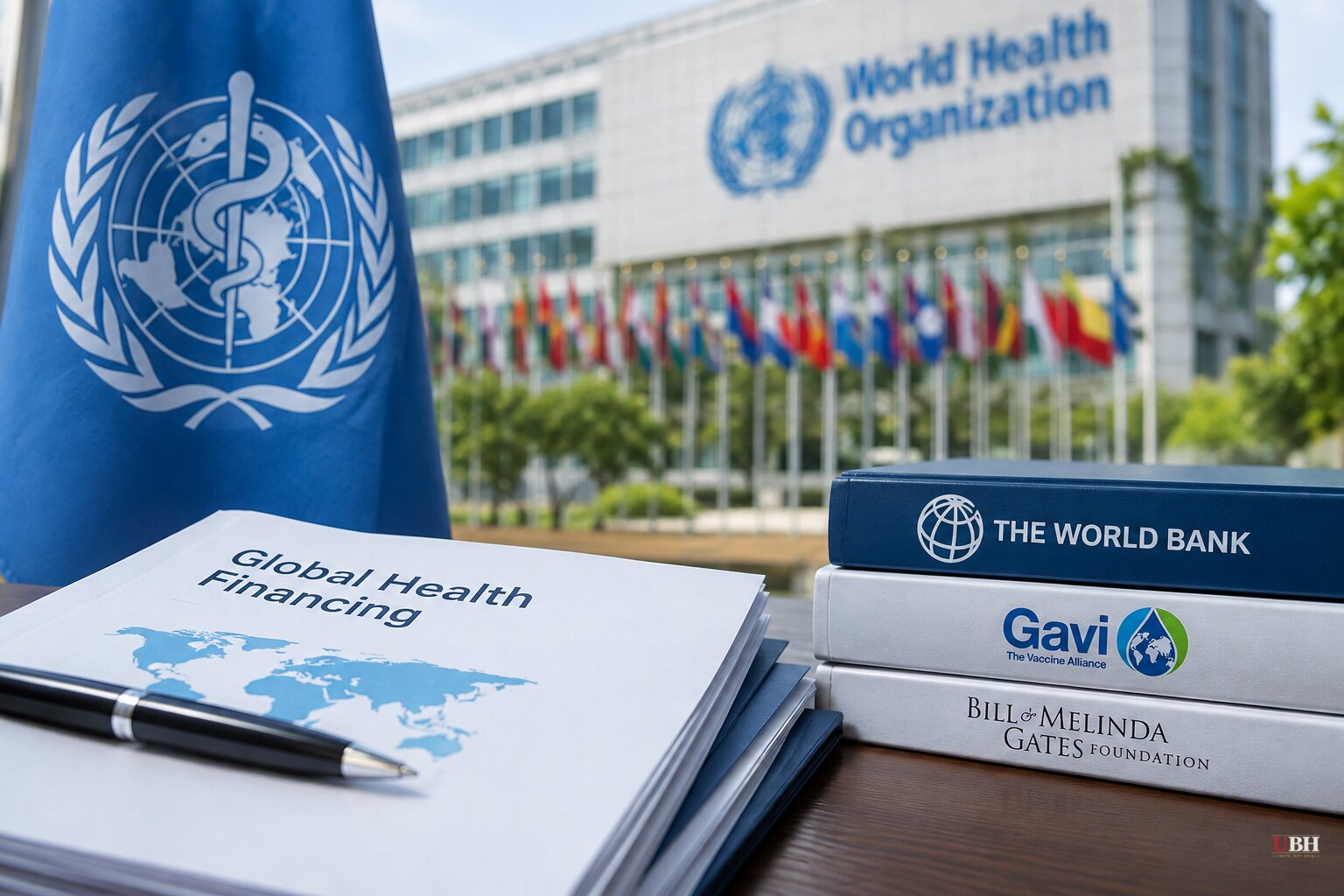
Indonesia's Health Minister Budi Gunadi Sadikin wants to run the World Health Organization, and his pitch is straight out of a banker's playbook: stop relying only on WHO's own money.
"The WHO doesn't have to use WHO money," Budi said in an interview reported by Bloomberg. "You can use other people's money."
Budi, a former banker before taking Indonesia's health ministry job, named specific institutions he thinks the WHO should lean on: the World Bank, the Asian Development Bank, the Gates Foundation, Gavi, and the Global Fund to Fight AIDS, Tuberculosis and Malaria. Each already funds global health work. His idea is to route more of that money through, or alongside, WHO programs instead of expecting the WHO's own budget to cover everything.
The pitch makes sense on paper. WHO's traditional funding model runs on assessed dues from member countries plus voluntary contributions that fluctuate year to year based on donor politics. An agency that can pull in financing from development banks and global health funds has more room to operate when member states get stingy or slow to pay.
It also fits Budi's background. Before running Indonesia's health ministry, he built a career in banking and finance, and his answer to a funding problem is the answer a banker gives: diversify the sources, don't sit around waiting on one revenue stream.
The Unreported Part
The organizations he named aren't neutral cash machines. The Gates Foundation is a private philanthropy controlled by Bill Gates and his foundation's board. Gavi and the Global Fund are themselves partly funded by and structured around major donors, including Gates. The World Bank and Asian Development Bank have their own lending priorities and shareholder governments steering decisions.
If the WHO leans harder on those institutions for cash, a fair question is whether the people writing the checks get more say over what the WHO actually does. This question has dogged global health governance for years whenever a handful of large private donors fund a big share of an international body's work. Budi's comments, as reported by Bloomberg, don't address who would set priorities if outside money became a bigger slice of WHO's operations.
Nothing in the reporting suggests Budi is proposing to hand decision-making to donors, or that any of the named institutions have demanded influence in exchange for funding. This is an open structural question, not an accusation against Budi or the organizations he named.
The Campaign Stage
Budi is one candidate talking to reporters about how he'd run the agency if he gets the job. Bloomberg's report doesn't specify when WHO member states will actually vote on the next director-general, and nothing in the available reporting confirms Budi has formally secured a nomination or backing from a bloc of countries.
That matters because this is, for now, a campaign pitch and not WHO policy. The WHO's current budget structure, and any decision to lean more heavily on the World Bank, Gates Foundation, or other outside funders, would require buy-in from the WHO's governing bodies and member states, not just whoever wins the top job.
SWI swissinfo.ch, the Swiss outlet covering the same Bloomberg-sourced comments, didn't add reporting details beyond what Bloomberg published. The story so far rests on one interview.
What's unresolved: whether Budi's candidacy has real support among WHO member states, when the leadership vote will actually happen, and whether an agency already leaning on outside donors for programs like vaccine distribution would end up more accountable to those donors, or less accountable to the countries that are supposed to govern it.
Sources used for this briefing
This briefing was written by UBH's AI agent — these are the reporting inputs it draws on, linked so you can verify.


