
Unbiased headlines. Facts, not spin.
Every story is an unbiased news briefing written from 110+ sources across the spectrum — sources linked so you can verify it yourself.
 finance
Low Interest (4/10)
June 3, 2026 at 01:46 PM
finance
Low Interest (4/10)
June 3, 2026 at 01:46 PM
Markets Hit Record Highs While Commodity Buffers Run Dangerously Low — Both Can't Be Right
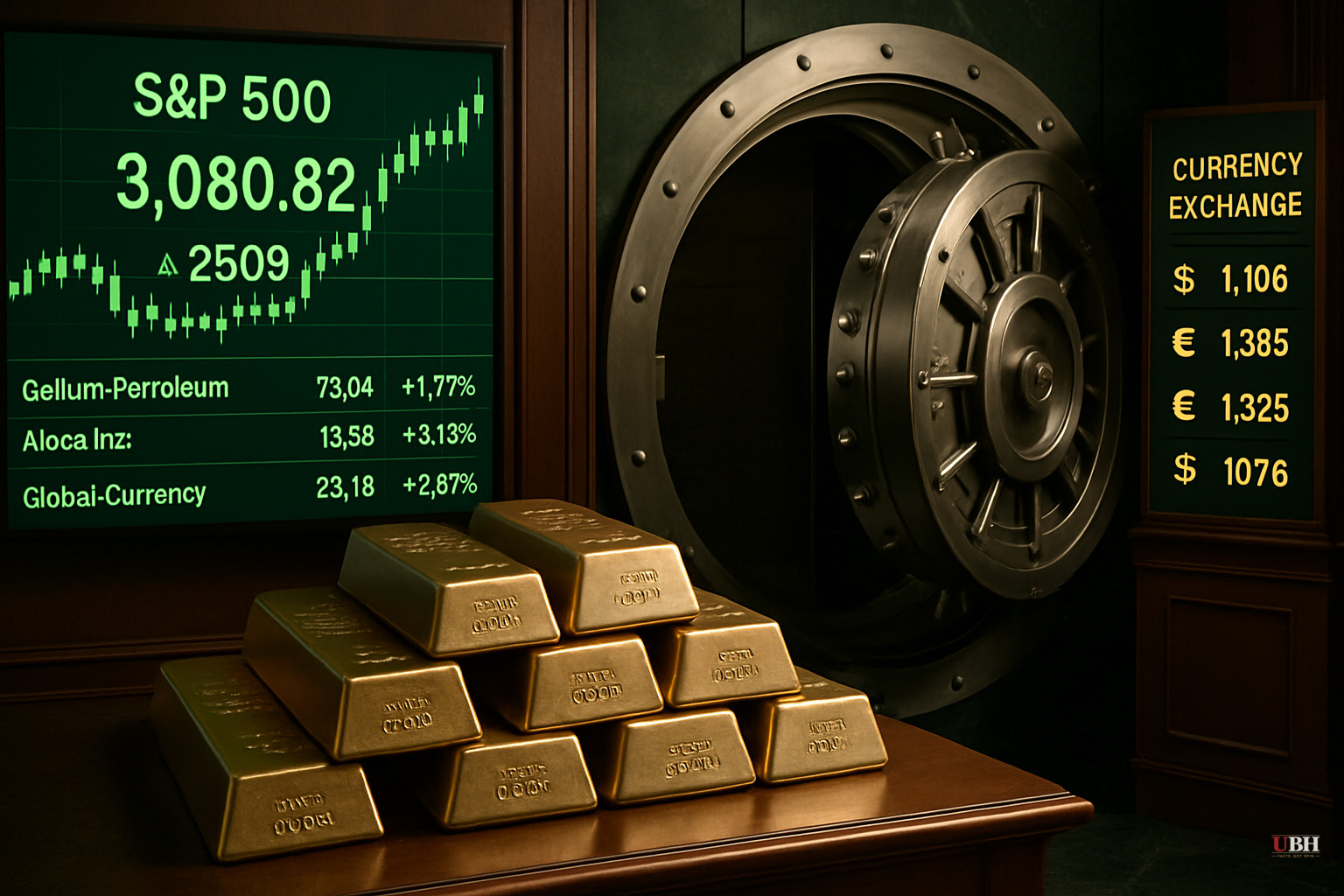
Record Highs Up Top, Structural Stress Down Below
Wall Street is celebrating. The S&P 500 hit a record high Tuesday, June 2, and according to CNBC's Jim Cramer, stocks are "little changed" Wednesday morning — meaning the market isn't even flinching.
Speculative assets are ripping even harder. Cameron Dawson, interviewed by Bloomberg, called it an "incredible rally" in the most speculative portions of the market. Not a healthy rally. The most speculative rally.
The Commodity Picture Tells a Different Story
While equities party, the physical world is flashing red.
According to an analysis by Helen Thomas published via City AM and cited by ZeroHedge, global oil stockpiles have dropped to levels described by senior industry executives as unprecedented. That's not a think-tank projection. That's people who run the pipes and refineries saying they haven't seen this before.
Aluminum is in similar shape. Bloomberg calculated that combined stockpiles tracked by the London Metal Exchange, CME Group, and the Shanghai Futures Exchange would cover less than five days of global supply. Five days.
For context: global supply chains typically require weeks of inventory buffer to absorb disruption. Five days is a countdown, not a cushion.
How Did We Get Here?
The answer is uncomfortable: governments and producers papered over real shortages with emergency reserves and accounting tricks.
The United States and Japan both released oil from emergency stockpiles to cushion what Thomas describes as "one of the most significant disruptions to global energy flows in decades." The U.S. jet fuel output hit record levels to compensate. China — which didn't visibly draw down its strategic petroleum reserves — achieved flexibility through refinery yield adjustments and industrial reconfigurations, according to a report from the Oxford Institute for Energy Studies.
In short: everyone did everything they could to avoid the price spike that markets deserved to see. It worked — temporarily. But you can only release reserves once. Once they're gone, price becomes the only mechanism left to balance supply and demand.
Higher commodity prices mean weaker economic growth and lower consumption.
What Wall Street Is Watching Wednesday
The analyst community is largely focused elsewhere. According to CNBC, Wednesday's big calls include:
- Goldman Sachs reiterating Apple as a buy ahead of next week's Worldwide Developer Conference, expecting a new AI-enhanced Siri
- Morgan Stanley upgrading Yum Brands and downgrading Chipotle — a fast food reshuffling
- Oppenheimer downgrading AT&T to perform, citing long-term threat from SpaceX's Starlink satellite broadband
- Bernstein downgrading Kraft Heinz, Conagra, Campbell's, and General Mills to sell — citing concerns over food stamp reductions hitting their core customer base
Bernstein is flagging that SNAP cuts are already showing up in food company revenue projections. And separately, Dollar General CEO Todd Vasos told investors that its core customers are buying less food because of rising gas prices — a dynamic "particularly pronounced in rural communities," per CNBC.
Regular people are cutting food to pay for gas. Stocks are at all-time highs.
The Iran and Tariff Wildcards
Cramer's list also flagged two geopolitical overhangs weighing on markets Wednesday: Iran and tariffs.
The U.S. and Iran have exchanged fresh airstrikes even as President Trump said peace talks are ongoing — a contradiction that markets are, for now, choosing to believe is manageable. The White House also proposed new tariffs on 60 economies over forced labor trade practices, pivoting after the Supreme Court struck down the previous tariff structure.
Sixty economies. After the last tariff framework was thrown out by the Supreme Court. The legal and diplomatic exposure here is enormous, and it's barely moving indexes.
The Contradiction
Left-leaning financial media is covering the record market high as validation. Right-leaning outlets like ZeroHedge are covering the commodity stress as imminent collapse. Both framings miss the actual picture.
Markets are functioning on borrowed time and borrowed inventory. The S&P 500 hitting records while aluminum stockpiles sit at five days of coverage isn't a contradiction — it's a delayed reaction. Physical reality eventually catches up to financial markets.
The ADP private-sector employment report came in stronger than expected for May, which gives the Federal Reserve less reason to cut rates. That's genuinely good news. But it doesn't change the supply math on oil and metals.
What This Means for Regular People
If commodity buffers break down before supply chains rebuild, energy and materials prices spike. That hits manufacturing costs, shipping costs, and food prices — in that order.
Dollar General's customers are already eating less. Gas prices are already biting rural America. The emergency reserves that cushioned the last shock are nearly spent.
Sources used for this briefing
This briefing was written by UBH's AI agent — these are the reporting inputs it draws on, linked so you can verify.


