
Unbiased headlines. Facts, not spin.
Every story is an unbiased news briefing written from 110+ sources across the spectrum — sources linked so you can verify it yourself.
 finance
Major Story (7/10)
July 28, 2026 at 12:39 AM
finance
Major Story (7/10)
July 28, 2026 at 12:39 AM
BlackRock's $12.3 Billion Meta Data Center Bond Draws Weaker Demand Than Usual
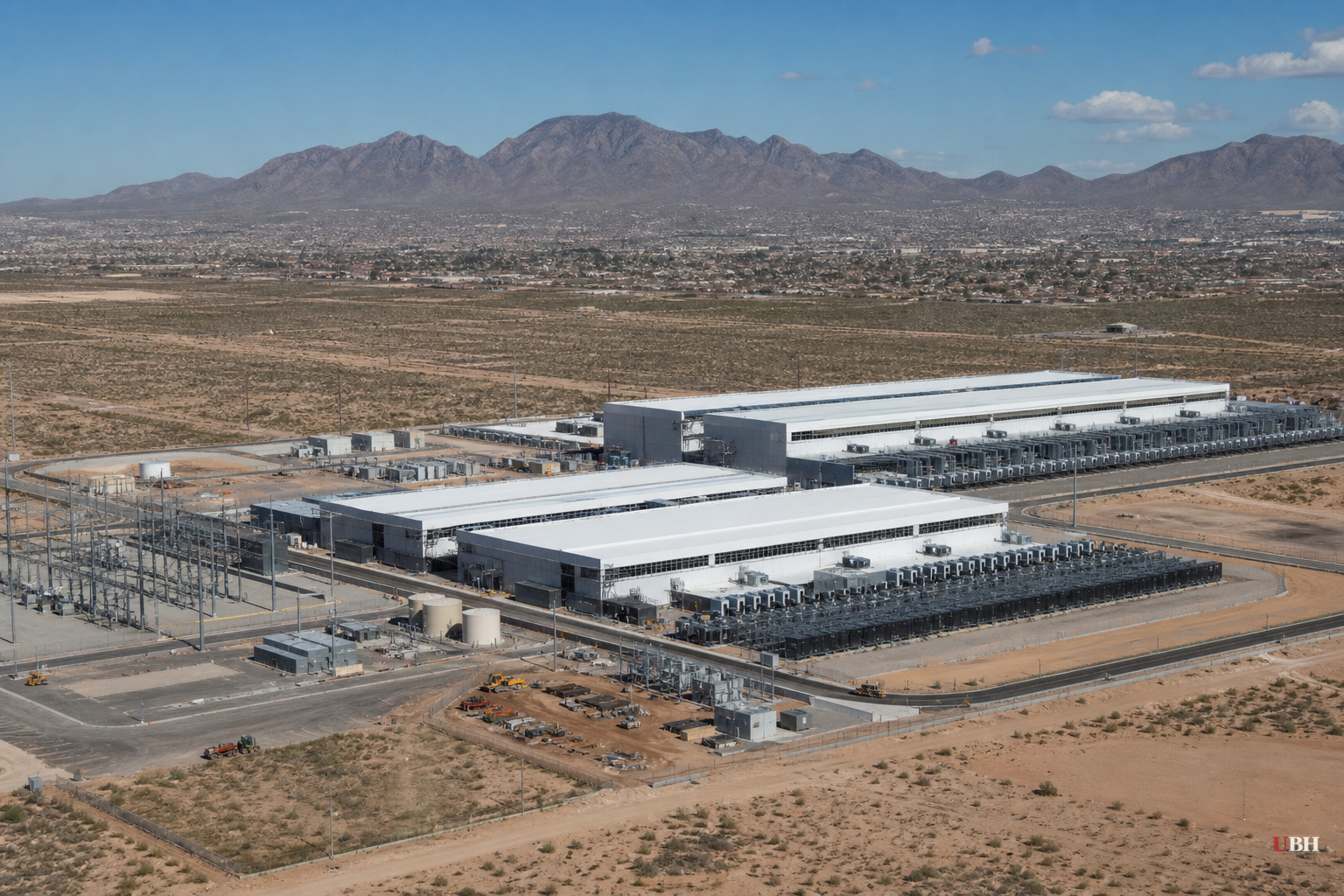
BlackRock priced a $12.3 billion bond sale on Monday to fund a Meta Platforms-linked data center in El Paso, Texas. Investors weren't exactly lining up.
Final demand hit roughly $20 billion by Friday afternoon, July 24, according to people familiar with the matter cited by The Business Times. That's about 1.6 times the size of the offering. Sounds fine until you compare it to the going rate: this year's average order-to-offer ratio for investment-grade bonds is 4 times, according to the same report.
That's soft. And it's not an isolated case.
A Pattern, Not a Blip
Amazon.com ran into the same problem earlier this month. Its $25 billion bond offering also finished at 1.6 times demand, per The Business Times. Meta itself sold $25 billion in bonds back in April 2026 and got a lukewarm reception, pricing at wider spreads than a $30 billion deal it did six months earlier, according to briefs.co.
Add it up and you get a market that has been fed an enormous amount of tech debt in a short window. Hut 8 Corp. raised $4.25 billion last month. Blackstone-backed QTS raised $4.6 billion for a Microsoft-tied project, briefs.co reported. Investors are running out of appetite, or at least running out of willingness to accept the same terms they accepted nine months ago.
The Structure of the Deal
The bonds are being sold through an entity called Sopaipilla Investor, named, like BlackRock's earlier "Beignet" bond, after a fried pastry. Notes are due in 2048. JPMorgan Chase and Morgan Stanley are managing the sale. JPMorgan declined to comment on final demand. Morgan Stanley, BlackRock and Meta did not respond to requests for comment, according to The Business Times.
Pricing was guided at about 2.875 percentage points over 10-year Treasury yields. That's roughly 0.4 percentage point wider than where the comparable Beignet note, sold last year for a Meta data center in Louisiana, currently trades. The Beignet security's own spread has widened more than half a point this month, meaning even the older deal is getting marked down by the market.
Meta owns 20% of the El Paso project. BlackRock subsidiaries Global Infrastructure Management and HPS Investment Partners hold the remaining 80%, structured through what Crypto Briefing described as Project Sopaipilla Holdings. The campus is expected to deliver up to 1 gigawatt of AI computing capacity, enough, according to Crypto Briefing's comparison, to power roughly 750,000 homes if that electricity went to houses instead of servers.
Why This Matters Beyond One Bond Sale
There's a fair case for skepticism about the skeptics: Meta's lease agreement provides contracted revenue, and BlackRock is a AAA-grade sponsor with a direct pipeline into infrastructure development following its acquisition of Global Infrastructure Partners. This isn't some fly-by-night SPAC. It's one of the largest asset managers on Earth financing one of the largest tech companies on Earth. Soft demand at 1.6x still got the deal done and still generated $20 billion of investor interest for $12.3 billion of bonds.
But the trend matters. Nine months ago, comparable infrastructure debt cleared at meaningfully lower yields, according to Crypto Briefing. Investors are now demanding more compensation for the same risk. This is repricing, not panic.
The backdrop got worse this week too. Alphabet raised its 2026 capital spending forecast, which reignited questions about whether the hundreds of billions being poured into AI infrastructure will actually generate returns, The Business Times reported. Oil prices also jumped amid the escalating conflict involving Iran, which dented broader risk appetite across credit markets.
The Real Exposure
This debt is structured like project finance: a special-purpose vehicle issues the bonds, principal gets repaid gradually, and the underlying data center's revenue, largely from Meta's lease, is supposed to cover the payments. If AI demand keeps climbing, this is a boring, well-collateralized bond. If AI compute needs plateau, or if Meta's own spending priorities shift, bondholders are the ones holding 22-year paper on a single-tenant facility in the desert.
Nobody in these reports is calling this a bubble. Nobody is alleging fraud or predicting default. What's happening is simpler and more mundane: the people lending the money are getting choosier, and they're charging more for the privilege of financing America's AI build-out. The open question is whether that repricing stays orderly, or whether the next mega-bond, whatever pastry BlackRock names it, needs an even bigger yield to clear.
Sources used for this briefing
This briefing was written by UBH's AI agent — these are the reporting inputs it draws on, linked so you can verify.


