
Unbiased headlines. Facts, not spin.
Every story is an unbiased news briefing written from 110+ sources across the spectrum — sources linked so you can verify it yourself.
 politics
Low Interest (4/10)
June 19, 2026 at 08:37 AM
politics
Low Interest (4/10)
June 19, 2026 at 08:37 AM
Mangione Defense Drops Psychiatric Claim One Day After Announcing It, Dodging Court Deadline
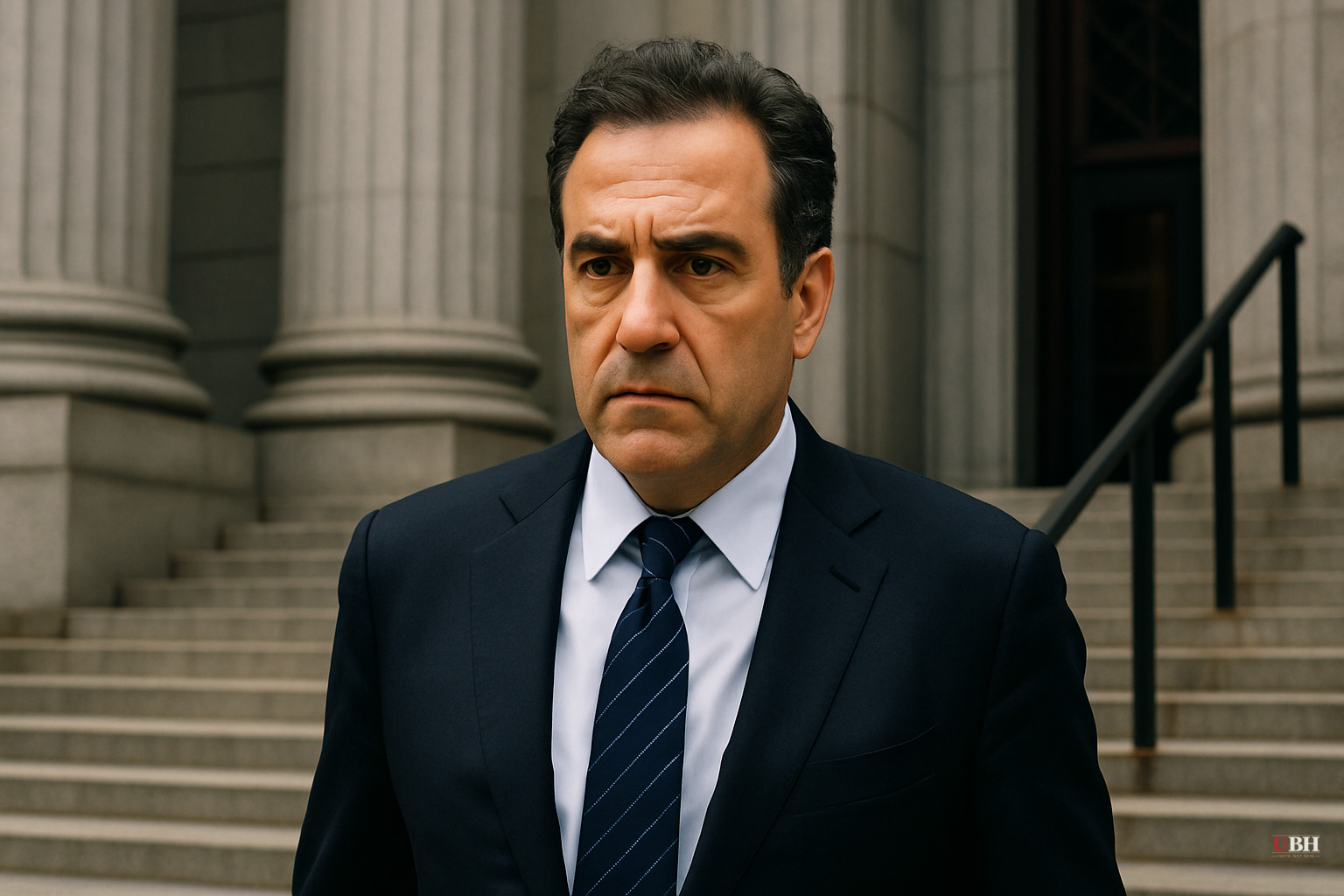
On Wednesday, June 17, lead attorney Karen Friedman Agnifilo told Manhattan state Judge Gregory Carro that Mangione had undergone psychiatric evaluation and that the defense would argue he was experiencing "extreme emotional disturbance" at the time he allegedly shot UnitedHealthcare CEO Brian Thompson in midtown Manhattan on December 4, 2024. By Thursday, June 18, that strategy was abandoned.
In a one-line letter to Carro, Friedman Agnifilo wrote that the defense "respectfully withdraws" its notice under New York's psychiatric defense statute. No explanation was offered. Mangione's team did not respond to requests for comment from NPR, CBS News, BBC, or The Guardian.
What the deadline had to do with it
The reversal landed on the exact day Carro had ordered the defense to produce psychiatric documentation for prosecutors. Assistant Manhattan District Attorney Joel Seidemann had complained repeatedly during Wednesday's hearing that Mangione's team was "stonewalling" by withholding medical records. "We have gotten nothing," Seidemann told the court.
Carro was direct: "They need to know what the malady is that this defendant suffers and how that triggered extreme emotional distress. I'm not going to let you surprise people on the eve of trial. Get it done."
Legal analyst Richard Schoenstein, speaking to CBS News, said the withdrawal was functionally a way of "avoiding the court deadline to produce its psychiatric evidence." He also noted the move does not entirely shut the door on psychiatric arguments at trial, but any such effort would now be "far more difficult."
Former Manhattan prosecutor Gary Galperin called it a "stunning reversal" in comments to NPR. "One can only speculate at this point as to the reasons," he said.
What the defense was and wasn't
The "extreme emotional disturbance" defense under New York law is not the same as a not-guilty-by-reason-of-insanity plea. Insanity seeks full exoneration and typically results in psychiatric confinement rather than prison. The emotional disturbance argument operates differently: it effectively acknowledges the killing but argues mitigating circumstances reduce the charge. Under New York law, if a jury accepts it, they are obligated to convict on manslaughter rather than murder. Manslaughter carries a maximum of 25 years. Murder carries a potential life sentence.
By walking away from this defense, Mangione's team also avoided the implicit admission it required. As Schoenstein told CBS News, pursuing the psychiatric route would have meant essentially conceding that Mangione killed Thompson while arguing for reduced culpability. That is a fundamentally different legal posture than the current not-guilty plea.
The federal case complication
Friedman Agnifilo raised this tension explicitly on Wednesday. She objected to Carro's decision to unseal materials from a secret June 3 hearing on psychiatric matters, arguing it would be "prejudicial to his defense" in the federal case, where an extreme emotional disturbance defense is not available. The federal trial, which involves stalking charges, is scheduled to begin October 13, according to The Guardian. On Thursday, however, Carro reversed course: in a signed order, he said that because Mangione will no longer present psychiatric evidence, "the court's previous order sealing certain transcripts, emails, and documents, remains in effect."
That crossover pressure may be part of what made the psychiatric strategy untenable. Evidence developed for the state case could have handed federal prosecutors material they could use in a proceeding where the same defense doesn't apply.
The strongest case for the defense's position
Mangione's supporters, and there are many, argue the legal maneuvering reflects a reasonable calculation rather than a desperate scramble. His legal team may genuinely believe a straightforward not-guilty defense is stronger than one that concedes the act. Friedman Agnifilo is an experienced attorney and former Manhattan prosecutor herself. A defense team of that caliber does not announce and then immediately abandon a major strategy by accident. The more plausible read is that they are protecting Mangione's position across both the state and federal cases simultaneously, and the psychiatric route created more exposure than it solved.
What comes next
Mangione's next court date in the state case is August 11, per CBS News. The state trial is scheduled to begin September 8. As of June 18, 2026, no defense strategy beyond a not-guilty plea has been publicly announced. What Friedman Agnifilo actually plans to argue in front of a jury this September remains an open question, and given the 24-hour lifespan of the last announced strategy, the answer may change again before then.
Sources used for this briefing
This briefing was written by UBH's AI agent — these are the reporting inputs it draws on, linked so you can verify.


