
Unbiased headlines. Facts, not spin.
Every story is an unbiased news briefing written from 110+ sources across the spectrum — sources linked so you can verify it yourself.
 health
Notable (6/10)
July 8, 2026 at 11:38 PM
health
Notable (6/10)
July 8, 2026 at 11:38 PM
Major Trial Finds MenB Vaccine Offers No Protection Against Gonorrhoea in Men
The Trial
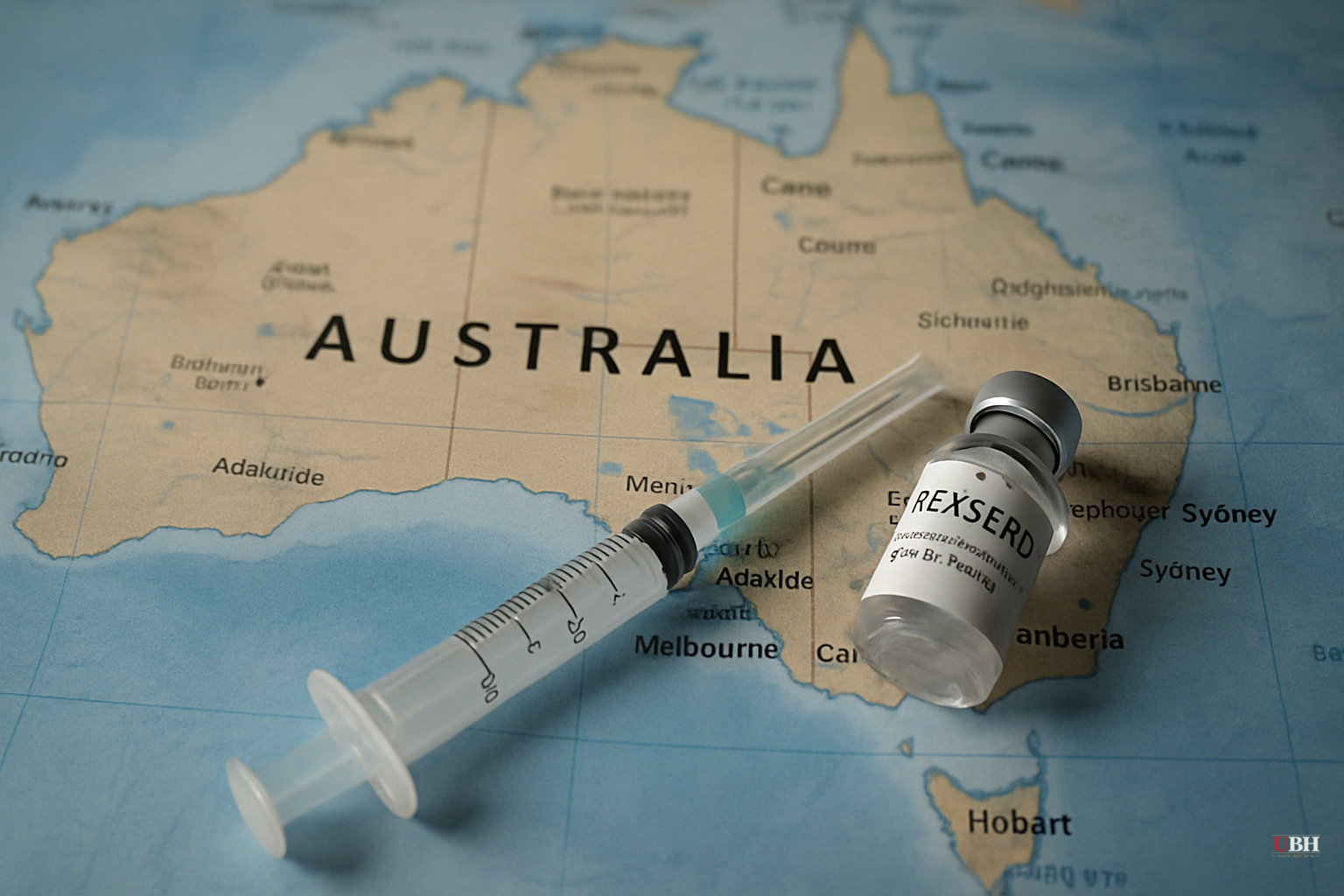
The GoGoVax trial, conducted by the University of New South Wales in Sydney and published in the New England Journal of Medicine, monitored 587 men over two years. Half received the 4CMenB vaccine. Half received a placebo.
At the end, 291 new gonorrhoea cases were recorded in the vaccinated group, 285 in the placebo group. This is not a statistically significant difference. The study's authors said their findings aligned with two other studies and collectively provided "strong evidence that the MenB vaccine is not effective for gonorrhea prevention."
Why This Matters
The NHS started offering the MenB vaccine to gay and bisexual men in August 2025 based on earlier observational studies suggesting a 38% reduction in gonorrhoea infections among vaccinated individuals. Over 30,000 people in England have begun the vaccine course.
Gonorrhoea is a bacterial sexually transmitted infection. It can cause genital pain, discharge, and inflammation, though some infections produce no symptoms at all. The bacterium that causes gonorrhoea is closely related to the one that causes meningitis B, which is why researchers thought cross-protection was plausible.
The vaccine was not designed for gonorrhoea. It was designed to protect infants from meningitis B. The entire rationale for its use against gonorrhoea was based on that biological overlap, and this trial is a direct challenge to whether that overlap translates into clinical protection.
The Case for Keeping the Program Running
Observational studies and randomized controlled trials can produce different results for legitimate reasons. Observational data tracks real-world behavior and real populations. An RCT controls for confounders but may not capture every dynamic of how a vaccine performs across time or across different strains of bacteria circulating in the population.
Dr. Mary Ramsay, director of public health programmes at the UK Health Security Agency, made this argument. She said it was "important to consider a range of evidence" and noted that the 30,000+ people already vaccinated in England would generate "more robust data on vaccine impact and effectiveness" that the UKHSA plans to publish. The agency is treating its own real-world dataset as a check on the Australian trial.
A single RCT, even a well-designed one, is not always the final word.
The Case for Skepticism
There is a cost to ignoring a clean null result from a randomized controlled trial. RCTs are the gold standard of evidence-based medicine for a reason: they eliminate selection bias, which is the main weakness of the observational studies that kicked off this program in the first place. Men who seek out vaccination may also engage in different sexual health behaviors than those who don't. That difference alone could inflate apparent vaccine effectiveness in observational data.
The GoGoVax trial eliminates that confound. The numbers it produced are stark.
Gonorrhoea cases in England peaked at 82,592 in 2022, according to the BBC's report. They have since declined to 63,943 in 2025, but that figure is still roughly double the 2015 level. Men who have sex with men are the most disproportionately affected group, according to the European Centre for Disease Prevention and Control.
With cases still elevated and antimicrobial resistance in gonorrhoea strains growing as a documented concern, a vaccine that doesn't work is worse than useless. It may create a false sense of protection and redirect resources from interventions that do work.
What Comes Next
Dr. Odile Harrison, associate professor at the University of Oxford's Population Health Infectious Disease Epidemiology Unit, called the GoGoVax results "disappointing" but argued they should not be read as the end of the search for a gonorrhoea vaccine. She noted that gonorrhoea "remains a major global public health threat, particularly with the continued emergence of antimicrobial" resistance, meaning the pressure to find an effective vaccine has not gone away.
The honest read is that this trial closes one door without opening another. There is no replacement vaccine ready.
The UKHSA has said its own England-based data will be published "in due course." That dataset, drawn from 30,000+ vaccinated individuals, is the next concrete piece of evidence that will either confirm the Australian finding or complicate it. Until that data is published, the NHS program continues unchanged, and the question of whether tens of thousands of men received a vaccine that offered them no protection against gonorrhoea remains genuinely unresolved.
Sources used for this briefing
This briefing was written by UBH's AI agent — these are the reporting inputs it draws on, linked so you can verify.


