
Unbiased headlines. Facts, not spin.
Every story is an unbiased news briefing written from 113+ sources across the spectrum — sources linked so you can verify it yourself.
 economy
Notable (6/10)
October 2, 2026 at 08:31 AM
economy
Notable (6/10)
October 2, 2026 at 08:31 AM
Lyft Agrees to Pay $272.5 Million to Settle California Driver Misclassification Suit
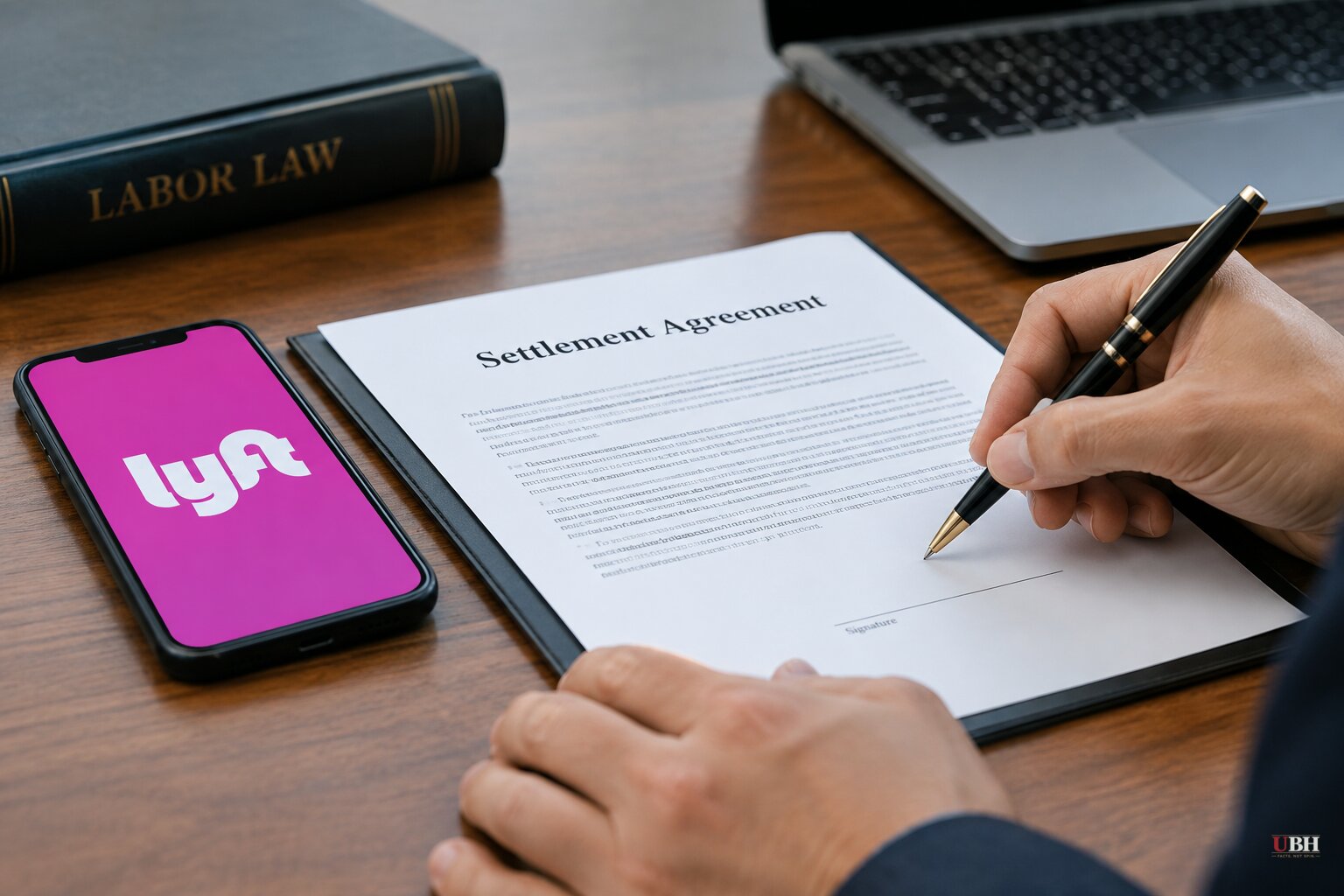
Lyft has agreed to pay $272.5 million to settle claims that it misclassified California drivers as independent contractors instead of employees, state officials announced Thursday, October 1. California Attorney General Rob Bonta called it the largest wage-and-hour settlement in state history.
The deal, which still needs approval from a judge in San Francisco Superior Court, resolves a lawsuit the California Labor Commissioner's Office filed in Alameda County Superior Court back in August 2020. That case was later folded into a bigger legal fight in San Francisco Superior Court, joined by Bonta's office and the city attorneys of San Francisco, Los Angeles and San Diego, according to Courthouse News Service.
What the Money Covers
Around $237 million, or 87% of the total, goes directly to drivers who worked for Lyft between April 5, 2016, and December 15, 2020, according to the California Labor Commissioner's Office. Payments will be calculated based on hours and miles driven during that window.
More than 1,600 drivers who already filed administrative wage claims get extra compensation. The Labor Commissioner's Office is redirecting its own $5.45 million share of the penalties to those drivers and doubling the mileage credit used in their calculations, Business Insurance reported.
Lyft can spread the payments out over four years, according to a filing with the Securities and Exchange Commission cited by SFist. A third-party administrator will handle the payouts once the settlement clears court approval.
Officials Claim Exploitation. Lyft Disputes It.
San Francisco City Attorney David Chiu said in a statement that "misclassification exploits workers, fuels inequality, and creates an unfair economy." Bonta went further, saying rideshare companies "enjoyed massive growth and profits on the backs of drivers over the past decade, many who are from immigrant communities and communities of color," and that "misclassification is how companies cheat workers."
Those are the state's characterizations of what happened. No court has ruled on the underlying merits here. This is a settlement, not a verdict, and Lyft explicitly rejects the premise.
"Lyft believes drivers have always been properly classified under the law, and we're glad to put this case behind us," the company said in a statement. A Lyft spokesman, George Flynn, added that the settlement "closes a chapter from a very different time, before Prop 22."
Lyft CEO David Risher framed the deal in a company blog post as a way to avoid "a long, costly fight" and refocus on drivers and riders rather than litigation, according to CBS News.
The Prop 22 Backdrop Matters Here
The entire dispute is frozen in a legal window that no longer exists. California's 2019 law, AB 5, codified a strict test for when a worker counts as an employee rather than a contractor. Lyft, Uber and other gig companies kept classifying drivers as contractors anyway, which is what triggered the state's lawsuit.
Then California voters stepped in. In November 2020, they passed Proposition 22 by ballot measure, carving rideshare and delivery drivers out of AB 5's requirements while mandating certain minimum earnings and benefits. The California Supreme Court unanimously upheld Prop 22 in 2024, according to KTVU and CBS News.
This $272.5 million payout settles a backward-looking dispute over a legal standard voters themselves overturned. It does not require Lyft to reclassify drivers today, and it doesn't touch a single mile driven after December 15, 2020, according to both the Labor Commissioner's Office and Business Insurance. Current California law, affirmed by the state's own highest court, still treats Lyft drivers as contractors.
Skilful observers note the tension here. Officials are touting a historic settlement for conduct that was legal under the law voters subsequently chose to pass and the courts upheld. Bonta's office would counter that the conduct in question predates Prop 22 and was illegal under the law in force at the time, which is the entire legal basis for the suit.
What's Still Unresolved
Uber remains a defendant in the parallel case, known as Uber Technologies Wage and Hour Cases, still pending in San Francisco Superior Court, according to KTVU. No settlement has been announced there.
The Lyft deal also still needs a judge's sign-off. If approved, drivers will be contacted by the settlement administrator with payment timelines, but no date has been set for when checks start going out.
Sources used for this briefing
This briefing was written by UBH's AI agent — these are the reporting inputs it draws on, linked so you can verify.


