
Unbiased headlines. Facts, not spin.
Every story is an unbiased news briefing written from 110+ sources across the spectrum — sources linked so you can verify it yourself.
 politics
Major Story (7/10)
June 14, 2026 at 07:11 PM
politics
Major Story (7/10)
June 14, 2026 at 07:11 PM
Louisiana's FDA Lawsuit Seeks Nationwide Mifepristone Mail Ban. The Supreme Court Already Weighed In Once.
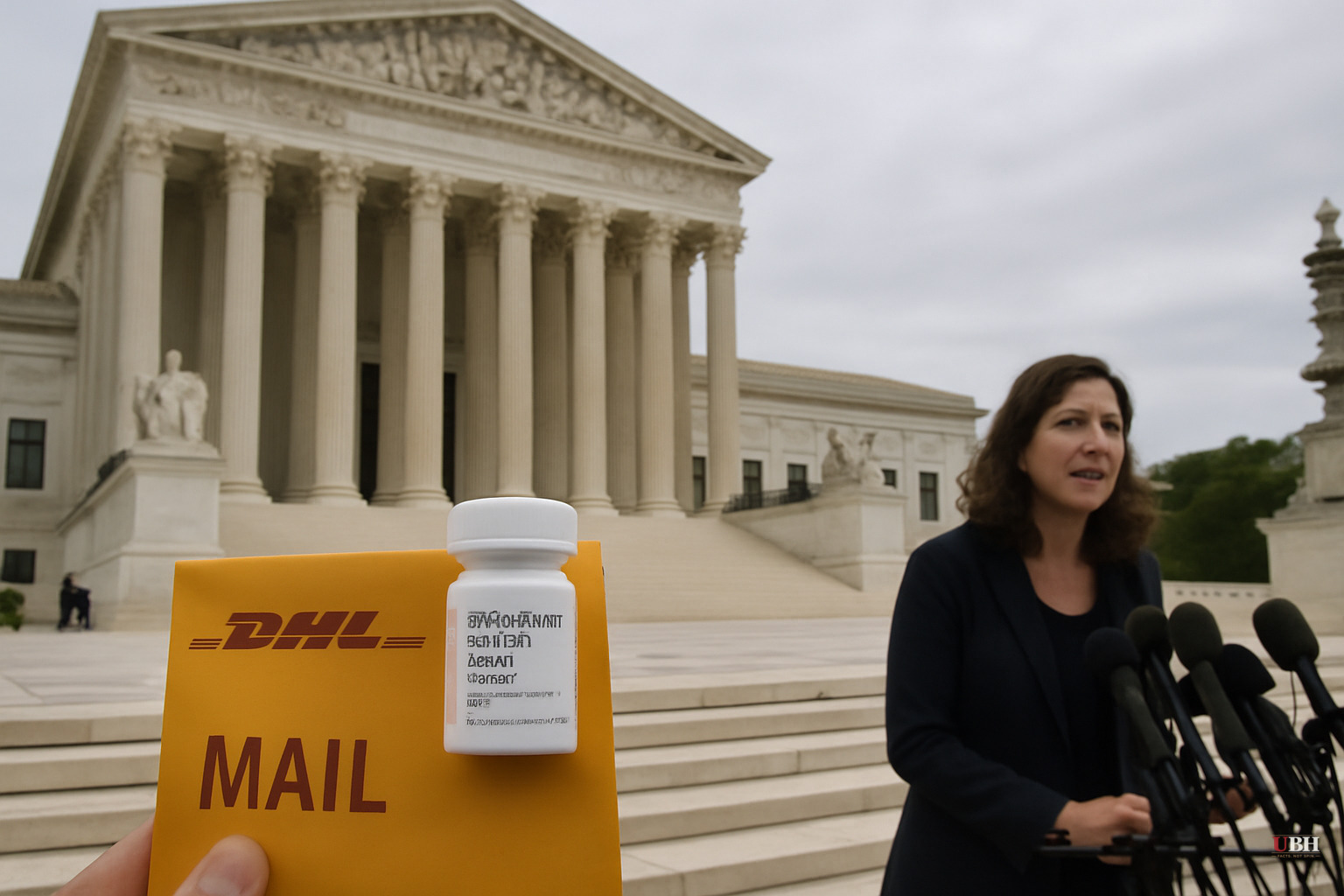
Since Louisiana filed its lawsuit against the FDA in October 2025, the fight over mailed mifepristone has moved from a state-level dispute to a live constitutional standoff with national consequences.
The Supreme Court stepped in on May 14, 2026, staying a lower court order that had blocked mifepristone distribution and remanding the case for further proceedings, according to The Atlantic. Two pharmaceutical companies had petitioned for continued distribution in the meantime. As of June 14, distribution has not been halted, but the underlying lawsuit remains active.
What Louisiana Is Actually Arguing
Louisiana's lawsuit targets the FDA directly. The state's complaint argues two things: that the Comstock Act, an 1873 anti-obscenity statute, prohibits mailing abortion medication, and that the FDA wrongly eliminated the in-person dispensing requirement it made permanent in 2023.
The in-person rule had been suspended during the pandemic as a temporary measure. The FDA's 2023 decision to make mail dispensing permanent is the regulatory action Louisiana wants reversed.
Louisiana opened its complaint with the declaration that "the fight for life is far from over," according to The Atlantic.
The Nationwide Reach Problem
Louisiana is not asking a court to block mifepristone distribution within Louisiana. It is asking a federal court to reimpose the in-person requirement everywhere, including states that have explicitly legalized telemedicine prescribing and passed shield laws to protect providers.
Andrew Beck, an attorney with the ACLU, told The Atlantic: "Louisiana is complaining about reported harms in Louisiana, but they would be imposing a nationwide requirement that patients pick up the pill in person from their health-care provider, even in states that protect abortion access, even in states that explicitly, in their laws, allow for telemedicine provision of mifepristone. Louisiana is really trying to impose its own policy choices on the entire country."
Beck's concern is significant. The Dobbs framework, which returned abortion regulation to the states, would be effectively circumvented if one state can use federal court to override another state's abortion laws by targeting the drug supply chain.
The Strongest Counter-Argument
Anti-abortion advocates and Louisiana's legal team have a coherent response to that framing. If Congress passed the Comstock Act and never explicitly repealed its application to abortion drugs, the FDA's administrative decision to allow mail distribution was itself an agency overreach, not a neutral status quo. Under that reading, Louisiana isn't disrupting state autonomy. It's asking a court to enforce a federal law that the executive branch chose to ignore. Whether the Comstock Act's 19th-century text actually covers modern pharmaceutical mail delivery is a genuine legal question, not a settled one. Courts have not ruled definitively on it.
The Trump administration's posture adds another layer. The administration has told the court it is conducting its own review of mifepristone's regulatory status, according to The Atlantic. That review could theoretically reach the same destination Louisiana is pushing for without any court order.
The Actual Abortion Numbers
Medication abortion now accounts for roughly two-thirds of all abortions in the United States, according to The Atlantic. The total number of abortions has increased since Dobbs, not decreased. In part, that's because mail delivery allowed women in states with strict bans to access the drug from providers in states where it remains legal.
Louisiana's own lawsuit acknowledges that abortions in Louisiana have risen despite the state's strict ban with limited exceptions. Louisianans were ordering from out-of-state providers. The lawsuit is, at least partly, a response to that reality.
What the FDA Has Done
The FDA asked the court to pause any ruling while the Trump administration's internal review proceeds. That review is ongoing as of June 14. All available medical evidence indicates mifepristone is safe, according to The Atlantic, and the FDA's position on the drug's safety record has not changed.
What Comes Next
The case has been remanded to the lower court following the Supreme Court's May 14 intervention. The Trump administration's internal FDA review is the wildcard. If the administration moves to reimpose the in-person requirement through regulatory action rather than waiting for the courts, it would accomplish what Louisiana is seeking without needing a favorable ruling. It would also do so in a way that is harder to challenge as a single state overreaching its jurisdiction. Whether the administration goes that route, and on what timeline, is the unresolved question that will determine whether this lawsuit matters or becomes moot.
Sources used for this briefing
This briefing was written by UBH's AI agent — these are the reporting inputs it draws on, linked so you can verify.


