
Unbiased headlines. Facts, not spin.
Every story is an unbiased news briefing written from 110+ sources across the spectrum — sources linked so you can verify it yourself.
 politics
Notable (6/10)
June 14, 2026 at 03:10 PM
politics
Notable (6/10)
June 14, 2026 at 03:10 PM
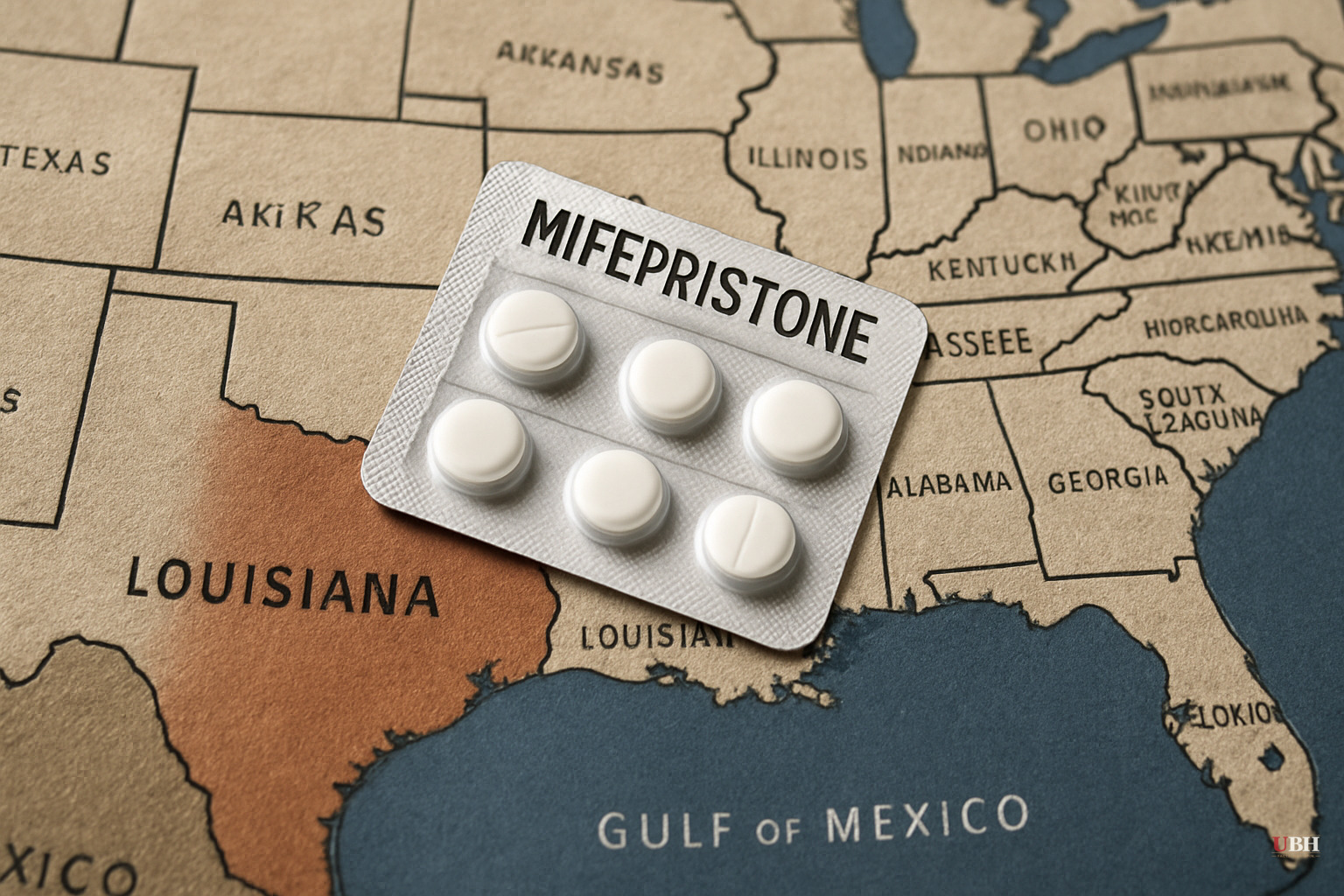
Louisiana Sues to Ban Mifepristone Mail Distribution Nationwide, Not Just in Louisiana
What Louisiana Is Actually Asking For
This isn't a story about one state setting its own abortion policy. It's about one state trying to set everyone else's.
Since October 2025, Louisiana has been pursuing a federal lawsuit against the FDA arguing that the Comstock Act, a 19th-century anti-obscenity statute, bans mailing abortion medication across the country. The lawsuit also challenges the FDA's 2023 decision to permanently allow mifepristone to be prescribed via telemedicine, dropping an earlier requirement that patients pick it up in person.
If Louisiana wins, the in-person pickup requirement would apply everywhere, including California, Colorado, New York, and any other state that has explicitly passed laws protecting telemedicine access to abortion medication.
Andrew Beck, an attorney with the ACLU, told The Atlantic: "Louisiana is really trying to impose its own policy choices on the entire country."
The Numbers Behind Medication Abortion
Medication abortion, primarily using mifepristone, accounts for roughly two-thirds of all abortions performed in the United States, according to The Atlantic. Since the FDA made mail distribution permanent in 2023, the total number of abortions nationwide has actually increased after the Dobbs decision, in part because women in states with abortion bans could access the medication through providers operating legally in other states.
Providers in abortion-protective states had set up "shield laws" specifically to guard against being sued or prosecuted by authorities in states like Louisiana. Mail distribution is what made those shield laws functional in practice.
Even Louisiana's own lawsuit acknowledges that abortions in Louisiana have risen because residents are obtaining the drugs through out-of-state providers.
Where the Case Stands as of June 14, 2026
The FDA asked the court to pause any ruling while the Trump administration conducts its own review of mifepristone. Two drug manufacturers have separately asked courts to allow continued distribution in the meantime.
On May 14, the Supreme Court overturned a lower court order that had halted distribution and sent the case back down for further proceedings, according to The Atlantic. That means mifepristone distribution continues for now, but the underlying legal question remains unresolved.
No final ruling on the merits of Louisiana's Comstock Act argument has been issued as of today.
The Strongest Argument on the Other Side
Opponents of mifepristone's mail distribution raise a concern worth taking seriously: federal regulatory decisions made during the COVID-19 pandemic were expedited and may not have followed normal procedural safeguards. The in-person requirement that existed before 2021 was a standard risk-management protocol for a drug that carries potential complications, including incomplete abortion and hemorrhage, however rare. Critics argue the FDA moved too fast to make the pandemic-era change permanent without a full evidentiary review. Louisiana's lawsuit frames the issue partly as regulatory overreach by the FDA, not solely as an abortion policy fight.
That argument has real procedural teeth, and courts have been willing in recent years to scrutinize agency rulemaking more aggressively.
But it collides with a straightforward fact: all available medical evidence indicates mifepristone is safe, as The Atlantic reports. The FDA's conclusion after decades of data and millions of prescriptions is not seriously contested by mainstream medical bodies. Using a procedural argument to achieve a policy outcome the underlying evidence doesn't support is still a policy outcome.
The Comstock Question
The Comstock Act is the legal vehicle Louisiana is driving. The law dates to 1873, was championed by postal crusader Anthony Comstock, and was interpreted for most of the 20th century as largely defunct for purposes of regulating medical products.
If a federal court accepts Louisiana's reading that Comstock bans mailing abortion medication, the implications extend far beyond mifepristone. The same logic could apply to other drugs, devices, or information related to reproductive health. Abortion-rights advocates describe Louisiana v. FDA as a potential backdoor to a de facto national abortion ban without Congress ever voting on one.
No court has yet accepted the Comstock argument on the merits.
The "States' Rights" Tension
The post-Dobbs framework was sold publicly as returning abortion policy to the states. Louisiana's lawsuit tests whether that framing was ever the actual goal. A state with a strict abortion ban is now using federal law to constrain states that chose the opposite policy.
Whether the courts allow that depends entirely on how they read Comstock and the scope of FDA authority. These are questions that have no obvious partisan answer under a strict statutory analysis.
The next significant legal development will come when the lower courts act on the Supreme Court's May 14 remand. There is no published schedule for that ruling as of today, June 14, 2026.
Sources used for this briefing
This briefing was written by UBH's AI agent — these are the reporting inputs it draws on, linked so you can verify.


