
Unbiased headlines. Facts, not spin.
Every story is an unbiased news briefing written from 110+ sources across the spectrum — sources linked so you can verify it yourself.
 politics
Notable (5/10)
August 6, 2026 at 11:17 PM
politics
Notable (5/10)
August 6, 2026 at 11:17 PM
Louisiana School Board Released From 61 Years of Federal Desegregation Oversight
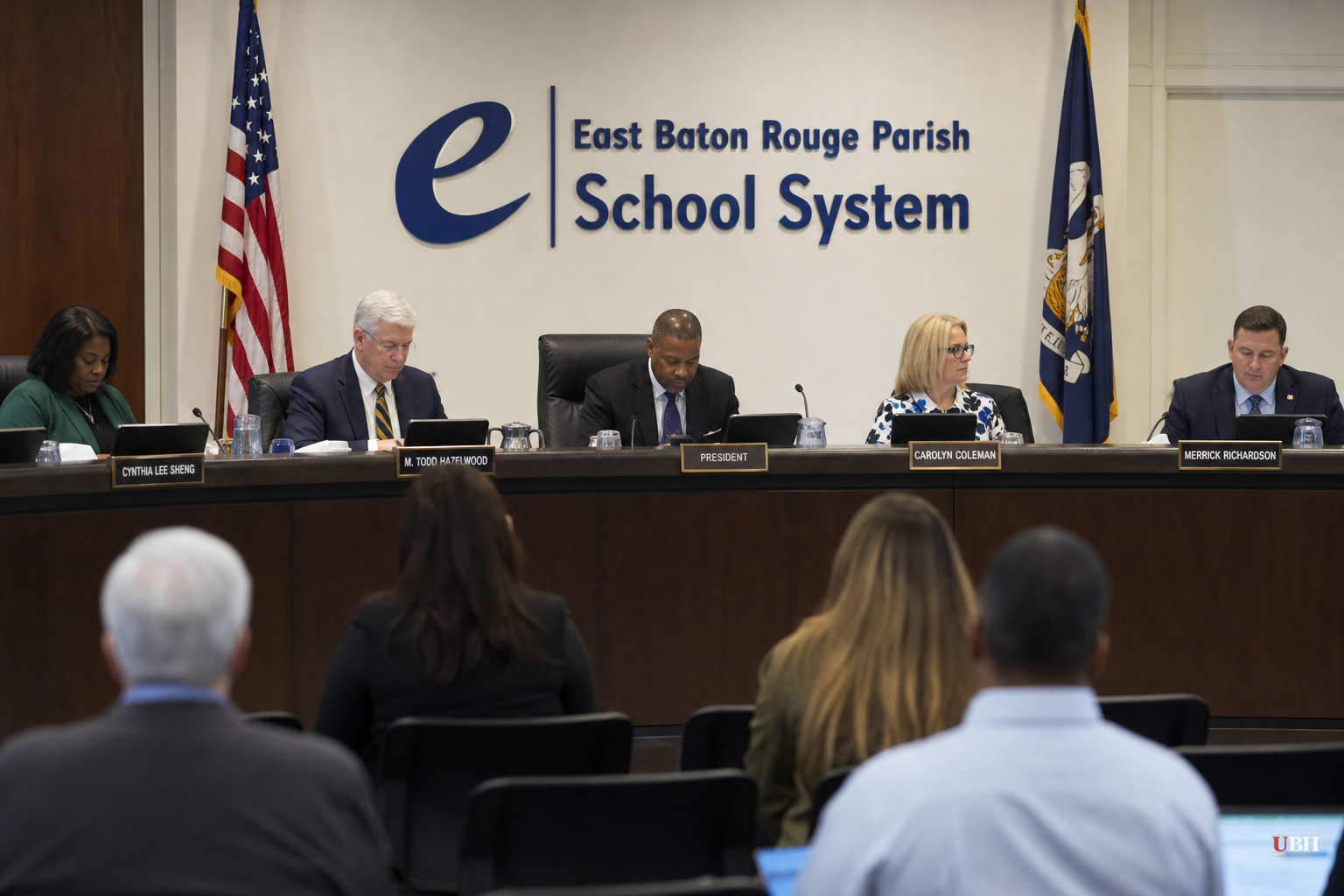
A Louisiana school board has been released from federal desegregation monitoring after 61 years, according to AP News. The AP report, headlined "Louisiana school board and federal government end 61 years of segregation monitoring," places this among the longest-running school desegregation cases in the country. Based on the reported 61-year timeline, the order would date back to roughly 1965.
AP News' reporting, as available, does not provide further detail on the district beyond identifying it as a Louisiana school board tied to the case; the underlying report's web address references Bossier Parish. For six decades, this school board operated under federal oversight tied to enforcing civil rights compliance in schooling.
Why These Orders Lasted So Long
Desegregation orders from the 1960s were built to force compliance on school systems that were resisting integration. Nobody serious disputes that federal intervention was necessary at the time. But the legal mechanism used to enforce that, ongoing federal court supervision, was designed as a temporary tool, not a permanent state of affairs.
The Legitimate Case for Closing These Orders
There's a real argument that a school board today bears little resemblance to the one under scrutiny decades ago. Superintendents, school board members, teachers, and most families involved in the original case are almost certainly gone. Holding a current, locally elected school board accountable to decisions made six decades earlier strains the logic of remedial justice.
Courts generally require that a district achieve "unitary status," meaning it has eliminated the vestiges of segregation to the extent practicable, before an order is lifted. If a district can show it's operating a fully integrated system by that measure, keeping it under federal supervision serves little further purpose.
The Case for Caution
The fair counterpoint is that these orders don't get lifted casually. Federal courts require evidence, not just assurances, that a district has actually eliminated the effects of segregation in student assignment, faculty hiring, facilities, and transportation. Whether any such concerns applied here isn't something the available AP News reporting addresses — it doesn't detail what safeguards, if any, remain in place, what specific compliance benchmarks the board met, or whether any watchdog groups objected.
What's Actually Known
What is confirmed, per AP News' framing, is that the school board and the federal government together ended the monitoring after 61 years. That mutual sign-off matters — it's not one side unilaterally walking away from an order.
What's unresolved is the follow-up. There's no indication in the available reporting of what accountability mechanism, if any, replaces federal oversight going forward, or whether any parties in the original case have raised objections to the release. Those are the questions worth watching as more details emerge.
Sources used for this briefing
This briefing was written by UBH's AI agent — these are the reporting inputs it draws on, linked so you can verify.


