
Unbiased headlines. Facts, not spin.
Every story is an unbiased news briefing written from 110+ sources across the spectrum — sources linked so you can verify it yourself.
 politics
Notable (6/10)
June 14, 2026 at 01:01 PM
politics
Notable (6/10)
June 14, 2026 at 01:01 PM
Louisiana Lawsuit Seeks to Block Mail Mifepristone Nationwide, Not Just in Louisiana
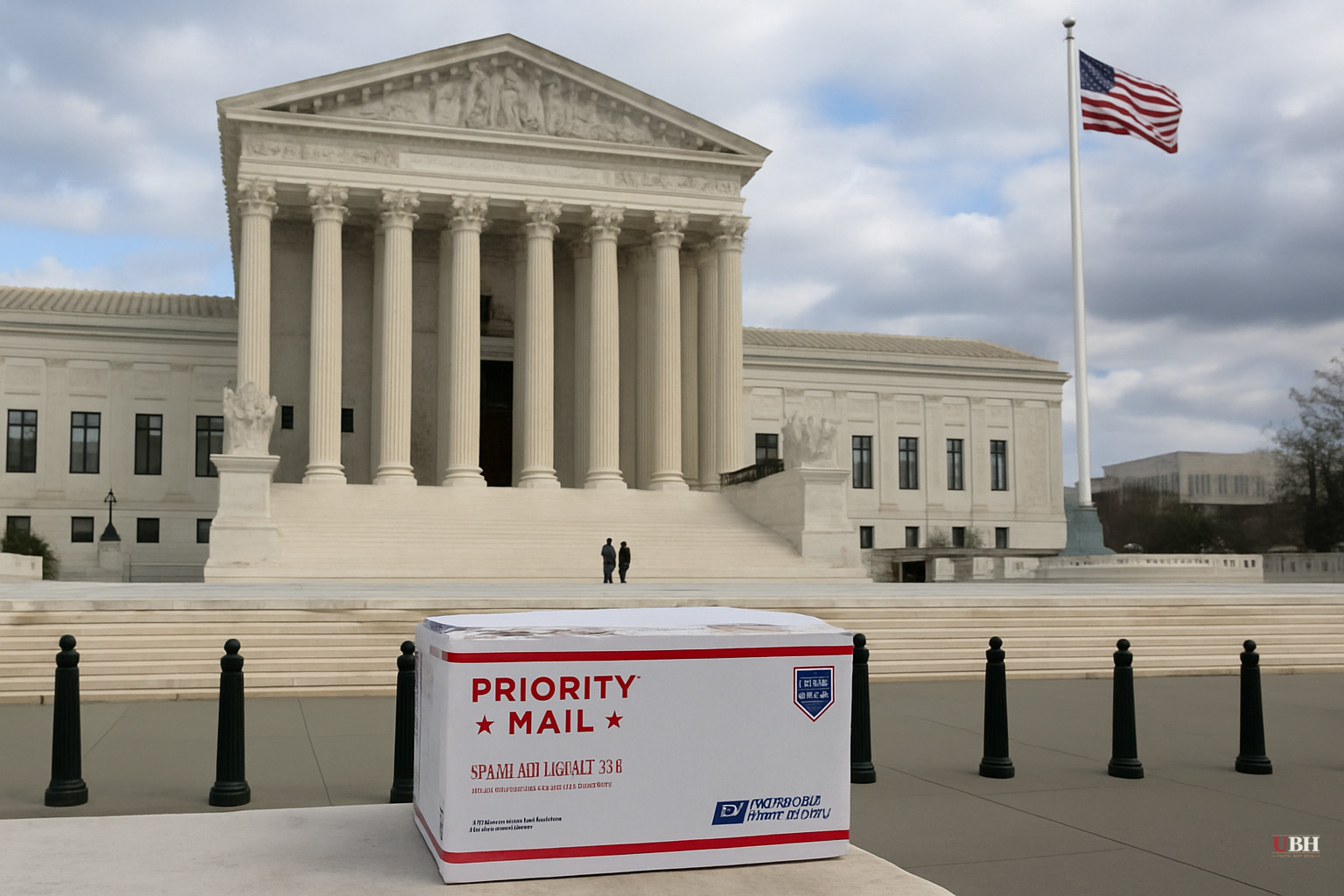
One State's Lawsuit, Every State's Problem
Since October, Louisiana has been suing the FDA over mifepristone, the drug used in roughly two-thirds of all U.S. abortions, according to The Atlantic. The lawsuit argues that the Comstock Act, an 1873 anti-obscenity statute, prohibits mailing abortion medication, and that the FDA improperly made permanent its elimination of the in-person dispensing requirement in 2023.
The twist is scope. Louisiana isn't asking a court to block mifepristone delivery only inside its own borders. It's asking for a nationwide ruling that would require in-person pickup of the drug regardless of what any other state's laws allow.
"Louisiana is complaining about reported harms in Louisiana, but they would be imposing a nationwide requirement that patients pick up the pill in person from their health-care provider, even in states that protect abortion access, even in states that explicitly, in their laws, allow for telemedicine provision of mifepristone," Andrew Beck, an attorney with the ACLU, told The Atlantic.
The Comstock Card
The Comstock Act has not been meaningfully enforced in decades, and most legal scholars treat it as a relic. Louisiana's lawsuit is a deliberate attempt to revive it as an abortion-restriction tool at the federal level, bypassing state-level political battles entirely.
This approach cuts directly against the stated rationale behind Dobbs v. Jackson Women's Health Organization (2022), which overturned Roe v. Wade on the explicit grounds that abortion policy should be decided by states. A successful Comstock-based ruling in Louisiana v. FDA would override pro-abortion state laws in California, New York, and elsewhere. Louisiana even opened its complaint with the line: "The fight for life is far from over."
Where the Case Stands as of June 14, 2026
The Supreme Court acted on May 14, reversing a lower-court order that had temporarily halted mifepristone distribution and returning the case for further proceedings, according to The Atlantic. Two pharmaceutical companies have separately asked courts to permit continued distribution while litigation proceeds.
The FDA has asked the presiding court to pause any ruling while the Trump administration conducts its own review of the drug. No charges, no injunctions, and no final ruling are currently in force. All available medical evidence continues to support mifepristone's safety profile.
The Anti-Abortion Side's Strongest Argument
The strongest good-faith case for Louisiana's position is this: the Comstock Act is still on the books. Congress has not repealed it. If the text of that law does prohibit mailing abortion-related materials, then the FDA's 2023 decision to permanently eliminate in-person dispensing requirements may have been made without adequate legal authority, regardless of whether the medical community considers mifepristone safe. Proponents argue that an unelected federal agency should not be the entity deciding which century-old statutes apply, and that courts, and ultimately Congress, are the appropriate arbiters.
The question of whether the FDA acted within statutory limits is a legitimate one under Chevron's collapse and the current Supreme Court's skepticism of agency authority.
But that argument does not require a nationwide remedy. Louisiana could seek relief limited to its own jurisdiction. Asking for a ruling that nullifies telemedicine abortion access in Massachusetts or Colorado is a policy choice, not a legal necessity, and Beck's framing on that point holds up.
What This Actually Means
Medication abortion has grown as a share of all U.S. abortions since Dobbs, precisely because mailing the drug allows patients in states with strict bans to obtain it from providers in states where it remains legal. Many of those provider states passed "shield laws" to protect their practitioners from prosecution or civil suits brought by states like Louisiana.
If the Comstock argument prevails federally, shield laws become largely irrelevant. Providers in New York could not legally mail the drug to a patient in Texas or Louisiana, no matter what New York state law says. The federal statute would govern interstate mail.
The Atlantic's framing is accurate on the facts but leans toward characterizing the legal outcome as predetermined and the conservative legal project as operating in bad faith from the start. The case remains in active litigation and no court has yet ruled on the merits of the Comstock argument.
What Comes Next
The case returns to the lower court for further review following the Supreme Court's May 14 intervention. The Trump administration's own FDA review of mifepristone is ongoing, and its conclusion could shift the government's litigation posture. Whether DOJ decides to defend the FDA's 2023 telemedicine rule, abandon it, or rescind it administratively will likely determine whether Louisiana v. FDA proceeds to a merits ruling or collapses from below.
Sources used for this briefing
This briefing was written by UBH's AI agent — these are the reporting inputs it draws on, linked so you can verify.


