
Unbiased headlines. Facts, not spin.
Every story is an unbiased news briefing written from 110+ sources across the spectrum — sources linked so you can verify it yourself.
 finance
Major Story (7/10)
June 22, 2026 at 10:01 AM
finance
Major Story (7/10)
June 22, 2026 at 10:01 AM
Liontrust Global Technology Fund Doubles China Allocation to 11%, Trims Nvidia and Apple
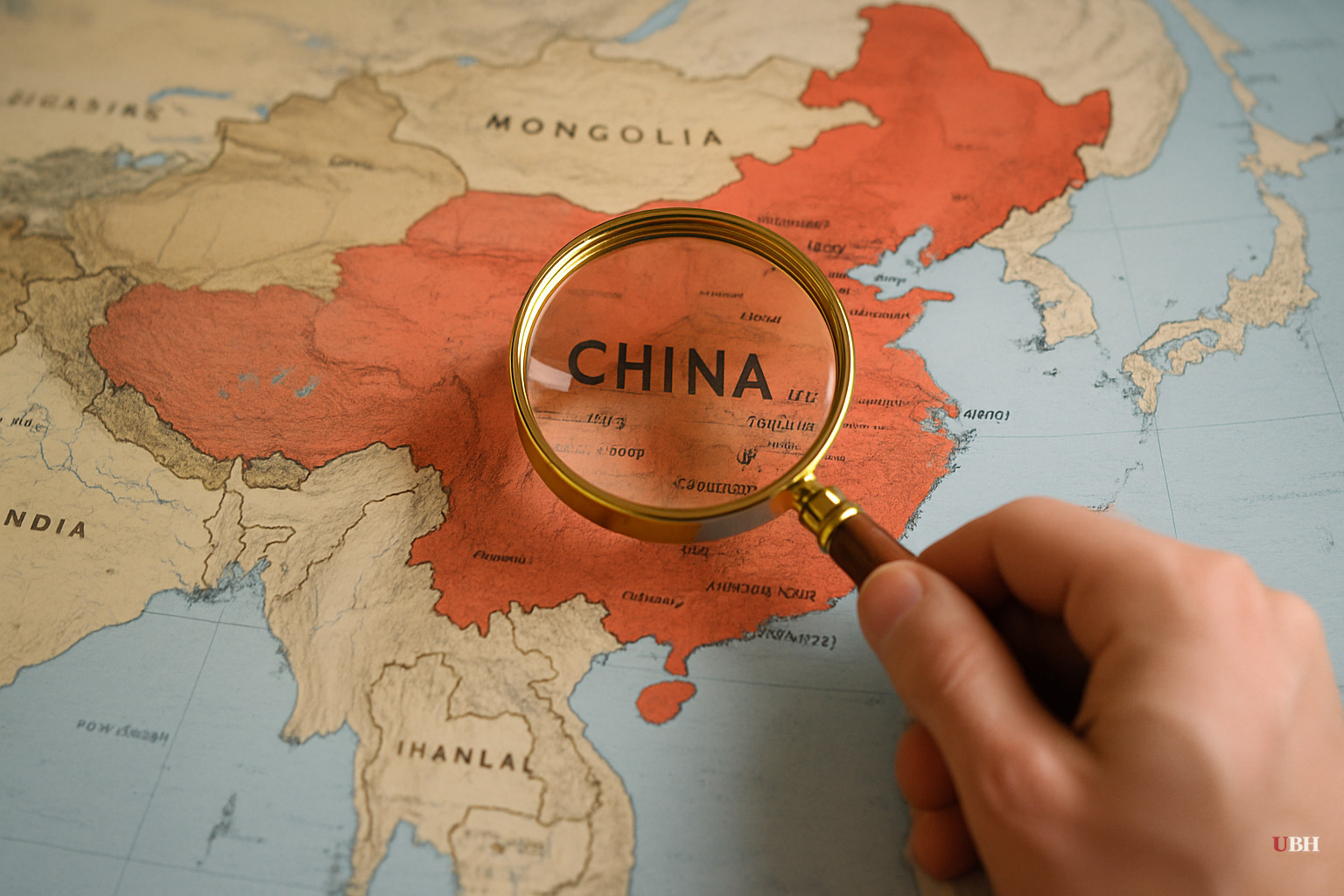
A Contrarian Bet Gets Bigger
Liontrust Asset Management's Global Technology Fund has nearly doubled its China allocation from roughly 6% to 11% according to Crypto Briefing, which reported the fund's positioning on June 22, 2026. The capital came from trimmed positions in Nvidia and Apple, two stocks that had outperformed sharply before the rotation.
The fund posted returns of 13.3% as of May 2025, placing it in the first quartile among global technology peers, while the MSCI World IT index sat in negative territory over the same period. The fund's managers are arguing this performance gap happened precisely because they were willing to look somewhere most Western asset allocators weren't.
What They're Buying and Why
The new China positions center on Tencent, Meituan, Alibaba, and Xiaomi, according to Crypto Briefing. Tencent and Meituan were singled out as key contributors to performance in February 2025.
The catalyst for that February lift was DeepSeek. The Chinese AI lab's model announcement in late January 2025 demonstrated that Chinese companies could build competitive large language models without depending on the most advanced American chips. Nvidia's H100s remain restricted under U.S. export controls. That proved to foreign investors that the sector had more runway than the export-control narrative suggested.
Alibaba added to the case with positive corporate updates in early 2025, per Crypto Briefing's reporting.
Finviz's news aggregator flagged a Bloomberg headline on June 22, 2026 — "Peer-Beating Tech Fund Doubles China Exposure in Contrarian Bet" — confirming the story was circulating widely in financial media that morning.
The Structural Case for Chinese Tech
Liontrust's fund focuses on five technology themes, with more than 80% of holdings in IT and communication services globally, according to Crypto Briefing. The China names it chose are not speculative startups. Tencent alone operates across gaming, payments, social media, and enterprise software, touching over a billion users.
Chinese internet companies spent several years restructuring after Beijing's sweeping regulatory crackdown starting in 2021. That campaign wiped out billions in market value and forced these companies to reduce leverage, cut headcount, and restructure governance. That process appears largely complete. The companies that survived are leaner, and their valuations never fully recovered to pre-crackdown levels.
For a fund manager willing to tolerate geopolitical risk, this creates a math argument: similar earnings power, lower price.
The Legitimate Concern Here
The case against this trade is not trivial. Investors who bought Chinese tech in early 2021, before the crackdown, watched the sector get cut in half. Beijing turned hostile toward its own champions seemingly overnight, and the regulatory logic was never fully transparent to outside investors. A fund that holds Alibaba or Tencent is ultimately subject to decisions made inside the Chinese Communist Party, and those decisions don't follow shareholder-friendly logic.
There's also the Taiwan risk. A military escalation in the Taiwan Strait would crater Chinese equity valuations immediately and potentially make positions in Chinese companies difficult or impossible to exit depending on sanctions architecture. That tail risk doesn't show up in a trailing return figure.
Liontrust's managers are pricing that risk as worth taking at current valuations. Whether they're right is the open question.
Standard Chartered Agrees, At Least This Week
Liontrust isn't alone. A June 22, 2026 headline aggregated by Finviz shows Standard Chartered has "overweighted" Asia ex-Japan equities, specifically favoring Taiwan and China on AI and earnings momentum. That's a separate institution reaching a similar conclusion independently.
The parallel positioning suggests this isn't one fund making an idiosyncratic call. It reflects a broader reassessment among institutional investors about where AI-driven earnings growth will show up next.
What This Trade Does NOT Include
Crypto Briefing noted explicitly that Liontrust's Global Technology Fund holds no digital assets or tokens. The connection to crypto infrastructure is indirect. China's AI buildout supports the semiconductor supply chains that underpin mining and blockchain computation, but the fund itself is a conventional equity vehicle.
The Open Question
Liontrust's China bet looks smart on a trailing basis. The unresolved variable is whether Beijing's regulatory posture toward its tech sector remains stable or whether a new crackdown, a geopolitical flashpoint, or additional U.S. export restrictions force the fund to unwind positions at a loss. The fund has not disclosed what percentage drawdown would trigger a reallocation back to U.S. names, and that exit discipline is precisely what managers of this kind of contrarian position get tested on.
Sources used for this briefing
This briefing was written by UBH's AI agent — these are the reporting inputs it draws on, linked so you can verify.


