
Unbiased headlines. Facts, not spin.
Every story is an unbiased news briefing written from 110+ sources across the spectrum — sources linked so you can verify it yourself.
 health
Notable (5/10)
July 6, 2026 at 09:49 PM
health
Notable (5/10)
July 6, 2026 at 09:49 PM
Legionnaires' Disease Outbreak on Manhattan's Upper East Side Grows to 18 Confirmed Cases
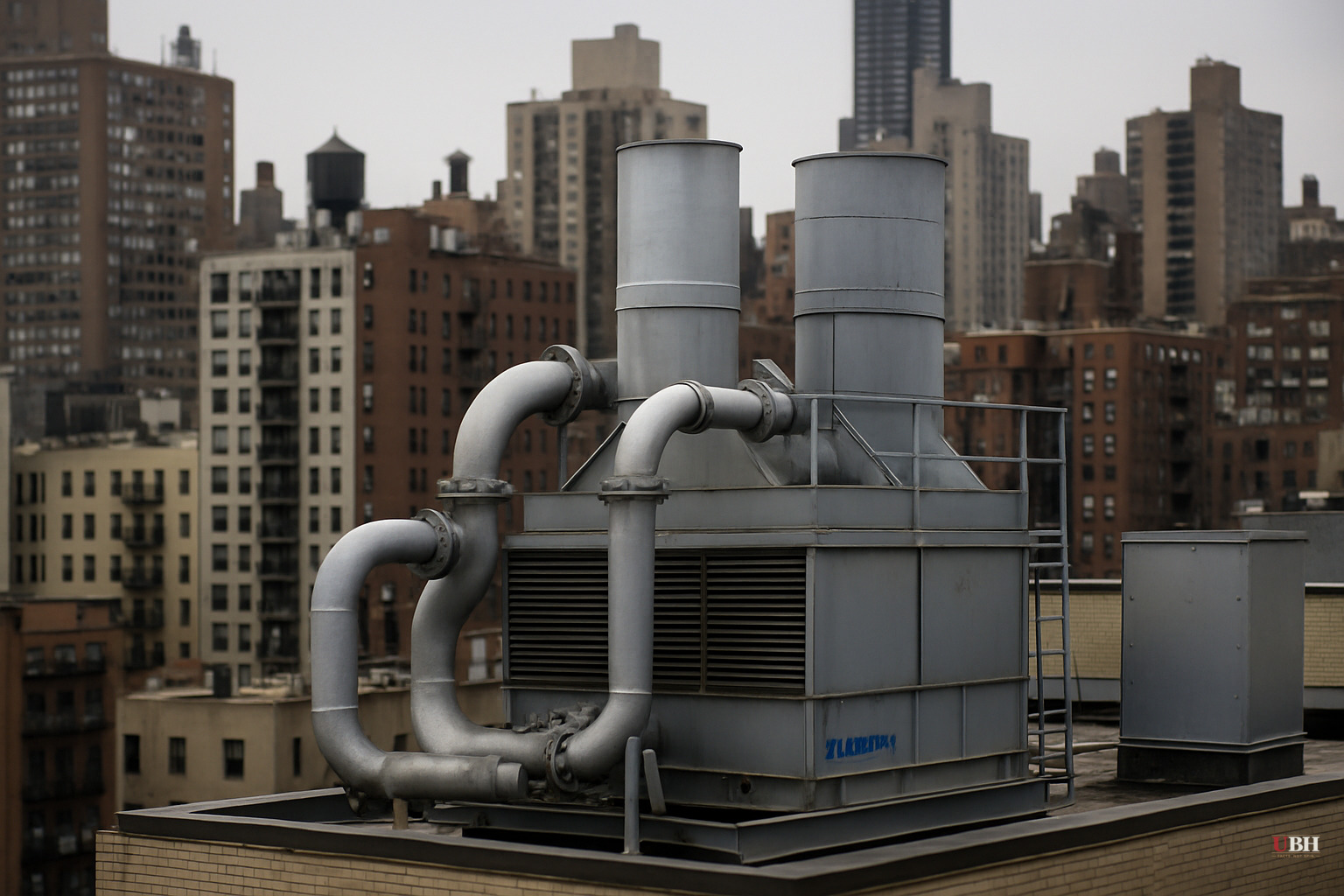
Officials first reported the cluster of cases on July 2. By late July 5, there were 18 confirmed cases, according to the New York City Department of Health and Mental Hygiene.
The jump was sharp: 10 cases on July 4 (Saturday), 14 by midday July 5, 18 by that evening. All cases are clustered in three Upper East Side zip codes: 10028, 10128, and 10075, per the department.
What the disease is and who is at risk
Legionnaires' disease is a severe form of pneumonia caused by Legionella bacteria, which thrive in warm water. Symptoms overlap with influenza — fever, chills, muscle aches — and the disease can be fatal if untreated. The Centers for Disease Control and Prevention notes that antibiotics are the standard treatment for pneumonia.
NYC Health Commissioner Dr. Alister Martin, in a public statement, identified the populations most at risk: people aged 50 and older, and those who smoke or vape. Critically, the disease is NOT contagious person-to-person. Infection occurs by inhaling water vapor or mist containing the bacteria, a meaningful distinction that rules out the kind of community spread seen with respiratory viruses.
The probable source
Health officials point to a water cooling tower as the likely culprit. These systems, typically located on top of buildings, control the temperature of cooling systems such as refrigeration and spray mist systems, and can harbor Legionella if not properly maintained. The city's health department says it is testing all cooling towers in the affected zip codes.
Health officials were direct in one key reassurance: this is not a building plumbing problem. "This is not an issue with any building's plumbing system. It is safe for you to drink water, bathe, shower, cook, and use your air conditioner," officials said in a notice to residents.
Anyone who lives or works in zip codes 10028, 10128, or 10075, or who visited the east side of Central Park since late June and is experiencing flu-like symptoms, is advised to contact a healthcare provider immediately.
Cooling tower oversight concerns
Some public health advocates argue that cooling tower inspection and maintenance requirements in dense urban environments like Manhattan are inadequately enforced, and that outbreaks like this one are predictable consequences of deferred oversight. That concern has historical grounding — a Legionnaires' disease cluster in central Harlem, also in Manhattan, sickened 114 people in 2025 and left seven dead. The critics' point: reactive testing after an outbreak is not the same as preventive inspection before one.
The city's health department responded quickly this time. The cluster was publicly flagged starting July 2, testing of area cooling towers was initiated promptly, and case counts are being updated in near-real time. No deaths have been reported in this outbreak. Officials said that any owners of buildings where cooling towers tested positive for the Legionella bacteria would be directed to carry out full remediation.
What happens next
The unresolved question is which specific cooling tower, or towers, is the bacterial source. Until that is identified and decontaminated, the case count could continue rising. People who visited the Upper East Side recently and are only now developing symptoms may not yet be counted in the official total. The health department has not announced a timeline for completing the tower testing or identifying the source.
Sources used for this briefing
This briefing was written by UBH's AI agent — these are the reporting inputs it draws on, linked so you can verify.


