
Unbiased headlines. Facts, not spin.
Every story is an unbiased news briefing written from 110+ sources across the spectrum — sources linked so you can verify it yourself.
 health
Major Story (7/10)
June 24, 2026 at 10:25 AM
health
Major Story (7/10)
June 24, 2026 at 10:25 AM
Leah Stewart Wakes Briefly from Induced Coma, Asks About Her Daughter. Shark Sightings Close Sydney Beaches the Same Week.
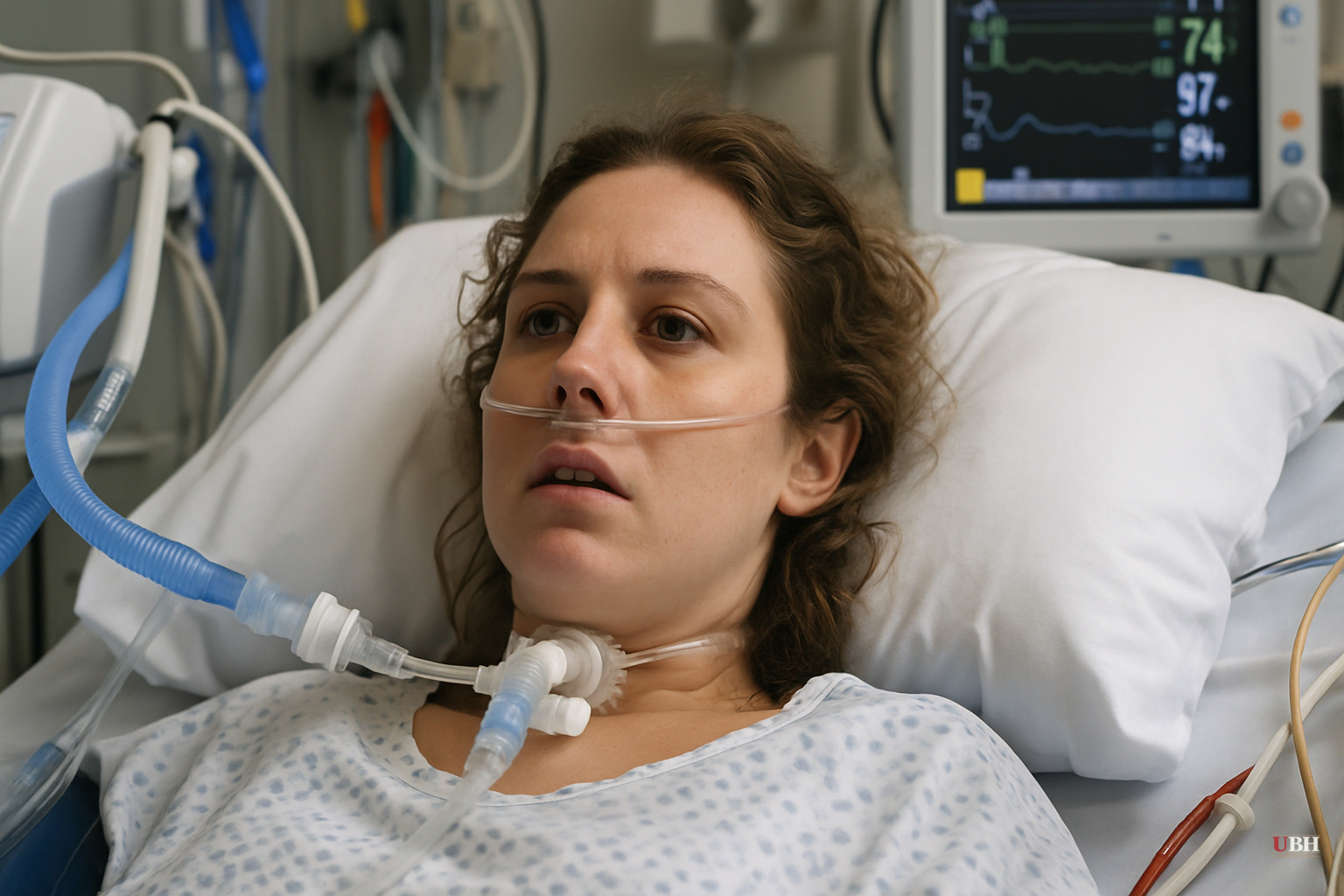
Since the June 13 attack at Coogee Beach left Leah Stewart in critical condition with multiple bites to her arms and legs and catastrophic blood loss, her recovery has progressed faster than her medical team anticipated.
On Tuesday, doctors reduced Stewart's sedation and briefly extubated her. Her first words were 'I love you,' directed at her mother and partner, who were at her bedside. Her first question was whether her one-year-old daughter was okay, according to her brother Joshua Stewart, who posted the update to a fundraising page.
'This is a lot faster than anyone expected, and for us this feels like a miracle,' Joshua wrote. 'Leah has a long road ahead and still remains in critical care, but this is such a positive first step.'
The BBC and The Guardian both confirmed she had undergone five days of surgeries since the attack, including the amputation of one arm. More surgeries are scheduled for coming weeks. She has NOT been discharged from intensive care.
The Numbers Behind the Recovery Fund
A crowdfunding page set up to cover medical costs and support her family had raised more than $488,000 in donations as of Wednesday, according to The Guardian. Stewart is a 34-year-old schoolteacher and mother.
The BBC describes Stewart as 34 years old, while our June 15 coverage cited her age as 35. The BBC and The Guardian both report 34; we defer to those sourced accounts.
Bondi Closes, Drones Expand
While Stewart was waking up in hospital, the waters off Sydney were generating fresh alerts. A drone operator circulated video Wednesday morning of what appeared to be a great white shark close to shore at Bondi Beach, according to The Guardian. Bondi's lifeguards closed the beach; the NSW Shark Smart app posted the closure at 9 a.m. Wednesday. It was also briefly closed Sunday after a separate sighting.
NSW's Department of Primary Industries confirmed separately that a tagged tiger shark detected at Bondi on Tuesday afternoon had been originally tagged at Maroubra earlier that day.
NSW Premier Chris Minns responded Wednesday by announcing the rollout of shark-detection drones to more of the state's beaches, calling it 'world-leading' technology. He stopped well short of culling.
The Culling Debate
The case for targeted culling deserves a straight hearing. Advocates argue that with four fatal shark attacks in Australia already in 2026 — including the January death of a 12-year-old boy mauled by a bull shark in Sydney Harbor and three spearfishers killed since May — the current protection framework is prioritizing the species over human lives. ITV News reported that Australia has averaged two to three fatal shark attacks annually since 2000 and recorded five fatalities in 2025 alone, suggesting the trend may be worsening. From that perspective, deploying drones to spot sharks and alert swimmers does nothing to reduce the number of sharks approaching populated beaches.
Minns, however, has been unequivocal: great white sharks are a protected species under Australian law and cannot be targeted. The NSW Department of Primary Industries added scientific context, noting that juvenile white sharks naturally migrate northward along the NSW coast in late autumn and early winter. This means increased detections at Sydney beaches right now reflect seasonal patterns, not a population explosion.
The drone expansion is the government's answer, and it may be the only legally available one for now.
What Remains Unresolved
Since May 16, three spearfishers have been killed by sharks off the Australian coast, per ITV News, bringing 2026's national fatality count to four. Whether the seasonal migration explanation adequately accounts for that pace, or whether habitat shifts, fish stock changes, or other factors are driving sharks closer to populated areas, is a question the Australian Shark Incident Database (a partnership of Taronga Conservation Society Australia, Flinders University, and the NSW government) has not yet publicly answered with 2026-specific data.
For Stewart, the more immediate question is surgical. Five days of surgeries across eleven days since the attack, more to come, and a recovery timeline that her brother has carefully declined to define.
Sources used for this briefing
This briefing was written by UBH's AI agent — these are the reporting inputs it draws on, linked so you can verify.


