
Unbiased headlines. Facts, not spin.
Every story is an unbiased news briefing written from 110+ sources across the spectrum — sources linked so you can verify it yourself.
 politics
Notable (6/10)
July 22, 2026 at 08:04 PM
politics
Notable (6/10)
July 22, 2026 at 08:04 PM
Lawsuit Claims Virginia's Abortion Ballot Question Misleads Voters and Could Gut Statutory Rape Laws
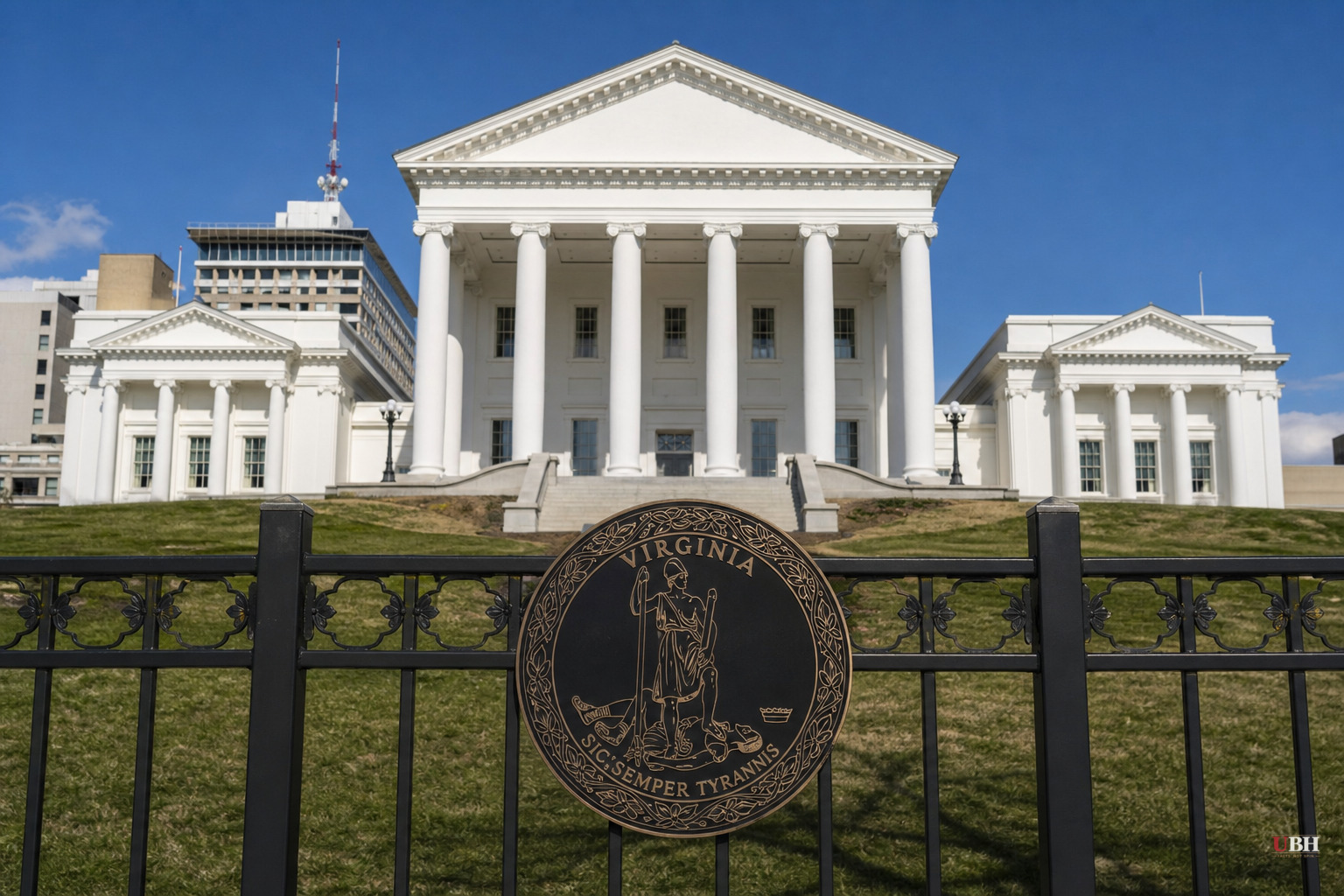
A Virginia constitutional amendment on abortion, set to appear before voters on the November 3 ballot, is now facing a lawsuit that claims the ballot question itself is illegally deceptive.
The suit was filed in Tazewell County Circuit Court by the Founding Freedoms Law Center, the legal arm of the Family Foundation of Virginia, according to Founding Freedoms Law Center's own release and reporting from Courthouse News Service. Plaintiffs include the Association of American Physicians and Surgeons, the Virginia Medical Freedom Alliance, and Meagan Kade, a Bluefield Town Council member and registered voter.
What the Ballot Actually Asks
Here's the question voters will see, per the bill Governor Abigail Spanberger signed: should the Virginia Constitution be amended to protect decisions about prenatal care, childbirth, postpartum care, birth control, abortion, miscarriage management and fertility care, protect doctors and patients from punishment for those decisions, and allow restrictions on third-trimester abortion except when the patient's health is at risk or the pregnancy can't survive.
The lawsuit says the amendment is broader than the ballot question suggests.
The Core Claim: No Age Limit, Anywhere
According to the complaint, cited by both Founding Freedoms Law Center and Courthouse News Service, the actual amendment text creates an unqualified fundamental right to "reproductive freedom" for "every individual," full stop. No age carve-out. No minimum.
Josh Hetzler, the Founding Freedoms Law Center attorney representing the plaintiffs, told the Daily Signal that this would "eliminate statutory rape laws for consenting minors," because the amendment enshrines a right to consensual reproductive decisions without any age limitation. Statutory rape laws exist precisely because the law says minors below a certain age can't legally consent to sex, no matter what they say they want. If a state constitution guarantees an unqualified right to make personal reproductive decisions for "every individual," critics argue a court could read that as overriding age-based consent statutes entirely.
No Virginia court has ruled on whether the amendment would actually void statutory rape law. This is the plaintiffs' interpretation of what the amendment's broad, unqualified language would do once litigated. The concern isn't frivolous. The amendment's text, as described in the complaint, genuinely contains no age qualifier, and that omission is the entire basis for the argument.
The complaint lists several other alleged consequences the ballot question doesn't mention: elimination of parental notification and consent requirements before a minor gets an abortion or a gender-transition-related sterilization procedure; unlicensed individuals being allowed to perform abortions with immunity from state penalties; the end of state health and safety standards for abortion facilities; and a block on Virginia regulating commercial surrogacy, human cloning, or embryo genetic engineering.
The suit also argues the ballot question actively misleads voters on late-term abortion. According to Founding Freedoms Law Center, the amendment would eliminate current restrictions requiring three doctors to sign off on a third-trimester abortion and the requirement of a substantial, irremediable risk to the mother's life or health, replacing that with a standard where only the abortion provider must agree, in their sole judgment. The ballot question's own language, which suggests new restrictions on third-trimester abortion, points in the opposite direction of what the group says the amendment would actually do.
A Second, Procedural Argument
Beyond the deceptive-language claim, the lawsuit raises a separate procedural issue: that state and local election officials failed to timely publish notice of the proposed amendment ahead of the prior general election, as Virginia law requires for constitutional amendments, which must pass the legislature in two separate sessions with an election in between.
The Daily Signal noted this echoes what happened to a separate Virginia redistricting ballot initiative, which the Virginia Supreme Court invalidated because voters had already begun casting ballots before the measure's first legislative passage in 2025, meaning there was no genuine intervening election. If a court finds the same defect here, the amendment could be struck on procedural grounds alone, without ever reaching the deceptive-language question.
What Supporters Say
Amendment supporters reject the doomsday reading. State Senator Jennifer Boysko, who carried the measure in the Senate, said, according to Courthouse News Service, that "Virginians have made it clear time and again that we support reproductive freedom and do not want our healthcare controlled by politicians." Proponents have generally argued the amendment would not negate existing safeguards Virginia already has in place for abortion care, though none of the sourced coverage includes a specific, on-record rebuttal addressing the statutory rape argument directly.
Victoria Cobb, president of the Family Foundation of Virginia, said at a press conference reported by Courthouse News Service that the amendment "would recreate the most radical abortion regime anywhere in the United States," adding, "If voters knew what was actually in this amendment, they would not vote for it."
The Virginia Department of Elections declined to comment on the pending litigation, according to the Daily Signal.
What Happens Next
The case is now before the Tazewell County Circuit Court. No ruling has been issued. Unless a judge acts before November 3, Virginia voters will decide the amendment's fate at the ballot box while the litigation over its wording and legislative process continues, leaving open the real possibility that a court could later invalidate the outcome regardless of how the vote goes.
Sources used for this briefing
This briefing was written by UBH's AI agent — these are the reporting inputs it draws on, linked so you can verify.


