
Unbiased headlines. Facts, not spin.
Unbiased Headlines is an independently owned news organization. We bring you the facts, not opinions, written fresh from 110+ named sources. Sources linked so you can verify it yourself.
 economy
Notable (6/10)
Event date: November 22, 2026 ·
LA, Long Beach Port Security Workers Reach Tentative Deal; Contract Extended Pending Ratification
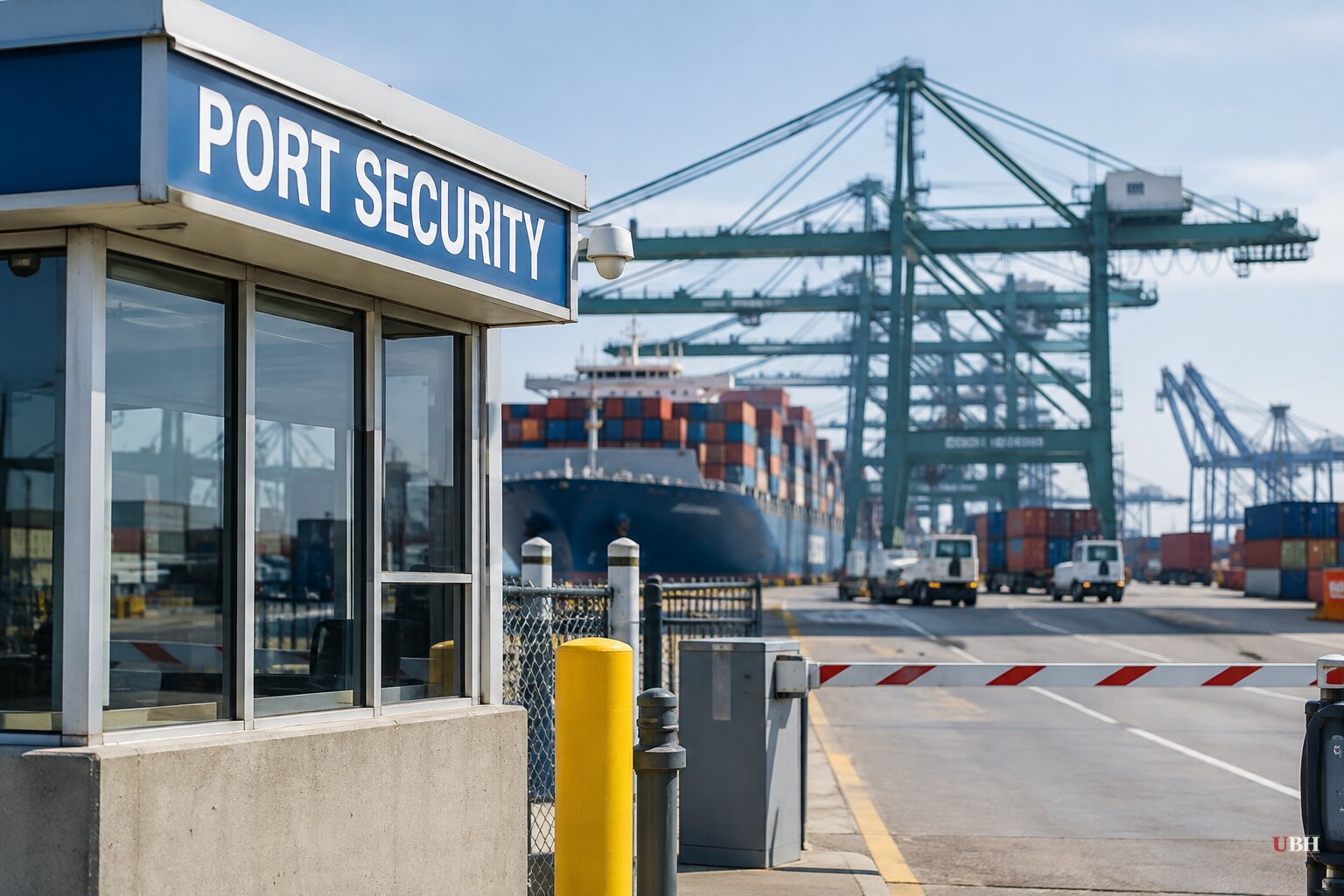
A strike at the nation's busiest container port complex is off the table for now. It is not dead yet.
The Pacific Maritime Association (PMA), which represents port employers, and ILWU Local 26 reached a tentative agreement on Saturday, Nov. 21, covering roughly 250 unarmed watchmen at the ports of Los Angeles and Long Beach. The agreement still needs approval from Local 26's members. The PMA said the current contract will be extended while that vote is pending.
A deadline, a breakdown, then a deal
Local 26's contract expired in July 2025, and talks dragged on for more than a year through several extensions. The latest extension was set to run out at 12:01 a.m. Pacific on Saturday, Nov. 21. The union had already voted to authorize a strike.
Talks broke off earlier in the week. The PMA said at the time it saw "little-to-no movement from the union on PMA's proposals." Negotiations resumed Friday, Nov. 20, with a federal mediator, and a deal followed on the deadline day.
The PMA thanked the Federal Mediation and Conciliation Service and the U.S. Department of Labor "for their help, and the Local 26 bargaining committee for its work at the table." It said the agreement "provides certainty for the ports, for the cargo owners and workers throughout the supply chain who depend on them, and for the Southern California regional and national economies."
Local 26 declined to comment.
Why 250 workers mattered
The watchmen check credentials and run routine security patrols at terminals. Local 26 makes up only about 2% of the ILWU workforce at the two ports.
But thousands of longshoremen and marine clerks were expected to honor a Local 26 picket line. According to the PMA, Local 26 members work at six container terminals that handle about 85% of Long Beach's cargo and 33% of Los Angeles' cargo. Those are PMA estimates of exposure, not projected losses.
Timing raised the stakes. The ports are in a surge of holiday shipping and one of their busiest years on record. Long Beach handled record cargo in 2025, and a trade-group statement warned that even a short stoppage could delay container availability, inland transportation and replenishment schedules.
Agricultural exporters were watching too. Red River Farm Network noted that a walkout would have hit farm trade hard if other dockworkers honored the lines.
What the deal contains
Nobody has disclosed the terms. The PMA did not provide details, and no ratification date has been announced.
Before the deal, the PMA had put an offer on the table that included a one-time $3,200 bonus for each Local 26 member. It also proposed raising average annual earnings for full-time watchmen from more than $170,000 to $198,000. Whether those figures survived into the tentative agreement is unknown.
Congestion remains
The labor threat is only one of the problems at the ports. Worldwide Logistics Group, a freight forwarder, said the deal does not fix rail backlogs, long container dwell times and inland transportation delays already affecting cargo movement in Southern California. It advised shippers to keep building flexibility into their schedules.
The stakes of any stoppage here are national. Los Angeles and Long Beach together handle more than 31% of U.S. containerized goods, according to the Long Beach Post. An economist's analysis it cited put the six terminals at about 6.2 million containers in 2025 and 50,000 direct jobs.
What comes next
The contract extension keeps work going while members consider the deal. If they vote it down, the dispute reopens, and the PMA and Local 26 would be back at the table with a contract that has already been extended past its original expiration by more than a year. Neither side has said when the vote will happen.
Sources used for this briefing
7 links from 7 independent newsrooms (syndicated copies of the same report count once)
These are the sources it draws on, linked so you can verify.


