
Unbiased headlines. Facts, not spin.
Unbiased Headlines is an independently owned news organization. We bring you the facts, not opinions, written fresh from 110+ named sources. Sources linked so you can verify it yourself.
 economy
Notable (6/10)
Chalmers Warns Unemployment Will Peak Above 5% and Growth Will Stay Well Below 2%
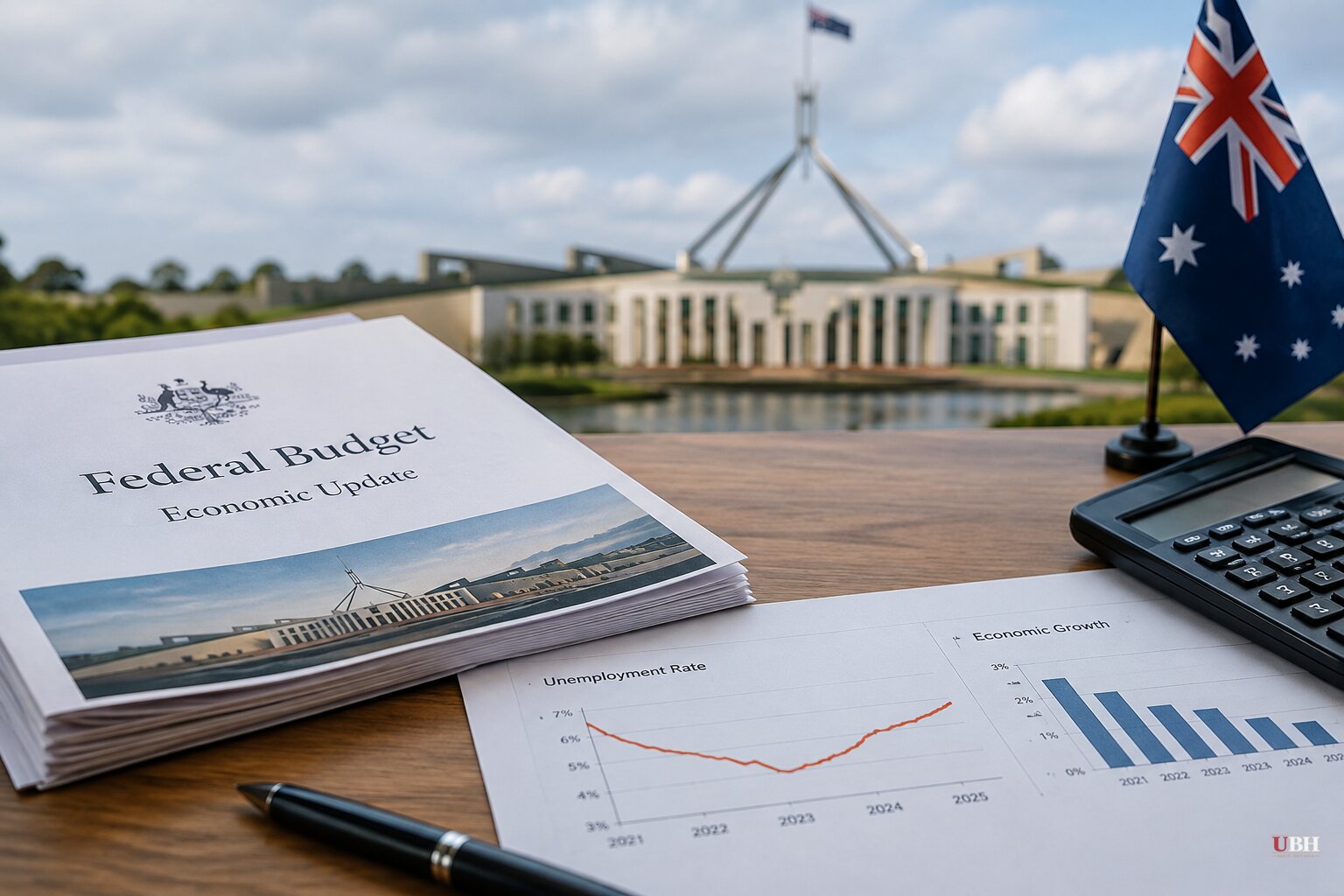
Australia's treasurer has said the economy is getting worse before it gets better.
In a ministerial statement to the House of Representatives on Monday, Nov. 23, Jim Chalmers said: "We say with humility and with honesty that things might get a bit harder before they get easier." He called the numbers in the coming mid-year budget update "concerning."
The new forecasts
Chalmers said unemployment is now expected to peak above 5%. It hit 4.9% in October, a six-year high.
Growth, he said, could slow from 2.3% last financial year to "well below" 2% for the next two years.
Inflation is running at 4.7%. Chalmers said high fuel costs mean it will ease only to the "mid-3s" by the middle of next year, about 1 percentage point higher than the May budget assumed. Inflation is not expected to return to the Reserve Bank's 2-3% target band until the end of 2027.
Official inflation figures due Wednesday are expected to show a rise to nearly 5%.
Rates and the Reserve Bank
The Reserve Bank has raised rates five times this year, and interest rates are at their highest level since 2008. Chalmers said it is "not yet clear" how those hikes will flow through, but that "the risks are substantial" for the job market, the housing market and the broader economy.
Shane Oliver, AMP's chief economist, said the full effect will not show until 2027. He expects growth to fall from 2.3% to below 1%. "We could flirt with recession next year," Oliver said, putting the chance of a more severe downturn at "high and rising" 40%.
Chalmers pushed back on the recession talk. "Neither the Reserve Bank nor the Treasury are forecasting the economy to go backwards," he said.
He pointed to some positives. Nominal wages are expected to continue their run above 3%, real wages are expected to grow again next year, and business investment is likely to be revised up substantially. It grew over 8% last year and could grow another 5% this year.
Spending and inflation
The treasurer used some of his most direct language to date about the link between the budget and inflation. "We know that no realistic amount of savings makes inflation go away, but too much new spending can make it worse," he said. He described the goal as "cutting spending enough, without threatening growth," a "delicate balance."
The update, which will be held after Dec. 8, will not be a mini-budget full of new initiatives, Chalmers said. It will include "some budget-sized savings" that he expects to "more than offset our new spending decisions, without slashing and burning the services people rely on." He gave few details about specifics beyond saying the cuts would not be "concentrated in one area or portfolio."
The government also announced Monday that the $25 cap on prescription medicines will be extended to the end of the decade, at a cost of $242 million. The move is aimed at winning Greens or Coalition votes in the Senate for a cut to the private health insurance rebate for older Australians.
Chalmers also warned that a weaker economy and "big unavoidable spending commitments" will mean bigger deficits in the later years of the forward estimates. "It would not be responsible to fully offset these big changes to revenue and payments that flow through automatically from weaker economic parameters," he argued.
Who is to blame
The fight is over how much of this is global and how much is homegrown.
Chalmers conceded that "global factors are playing a big role" but said "it's clear we have our own domestic challenges too." Prime Minister Anthony Albanese has blamed the Iran war, which began Feb. 28, 2026, saying it is "weighing on growth and its end can't come soon enough."
The Coalition rejects that framing. Shadow Treasurer Tim Wilson said: "The Treasurer blames the Middle East, but the first rate rise this year came a full month before the first bomb dropped on Iran."
Reserve Bank Governor Michele Bullock has said global oil prices are part of why inflation is staying higher for longer. She also said the bank is "not tightening monetary policy because of the direct impact of oil prices on inflation."
Opposition Leader Angus Taylor used question time to call for Chalmers to be sacked, saying he "can't manage money" and that "Australia is on a road to economic ruin." Chalmers accused the Coalition of hypocrisy for opposing savings measures now before the Senate. "They say it's about spending, then they vote against budget repair in the Senate," he said.
Households
Chalmers acknowledged the strain on families. "Interest rates are biting, unemployment is rising, prices are going up, wages aren't keeping pace, and families are hurting," he said.
A News24 Pulse/YouGov survey of 1,500 voters found 48% of all respondents had cut back on food spending over the past 12 months.
The budget forecasts at stake are not small revisions. The May budget had unemployment peaking at 4.75%, according to one source, while another puts the figure at 4.5%. The new peak is above 5%.
The next test comes Wednesday, when the inflation figures land. Whether the net savings promised for the update are large enough to matter will not be known until the update is held after Dec. 8, and the private health rebate cut is still before the Senate.
Sources used for this briefing
7 links from 7 independent newsrooms (syndicated copies of the same report count once)
These are the sources it draws on, linked so you can verify.


