
Unbiased headlines. Facts, not spin.
Every story is an unbiased news briefing written from 110+ sources across the spectrum — sources linked so you can verify it yourself.
 finance
Breaking / Critical (9/10)
July 22, 2026 at 10:38 AM
finance
Breaking / Critical (9/10)
July 22, 2026 at 10:38 AM
Kuwait Sells Dollar Bonds as Iran Strikes Batter Its Oil Sector
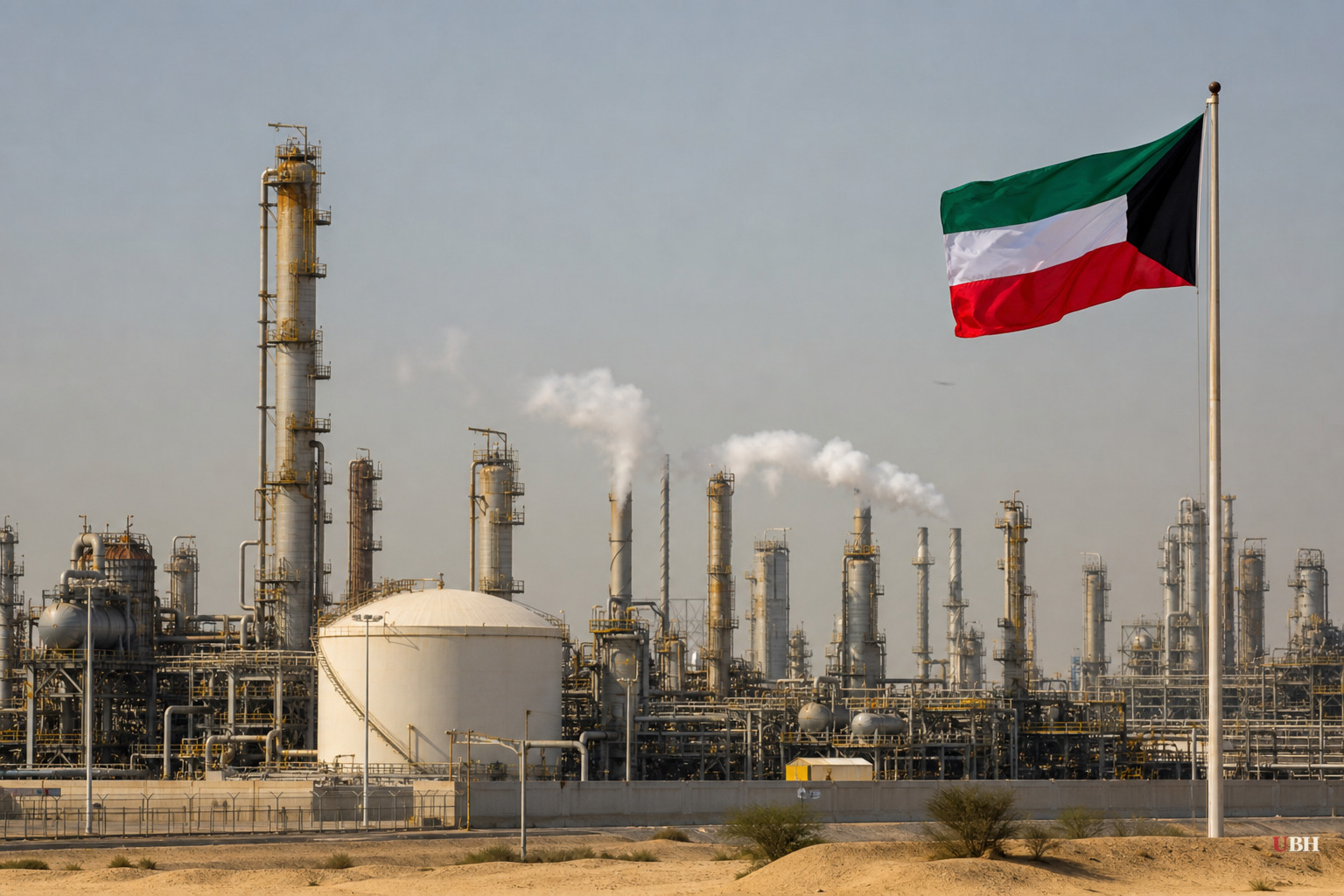
Kuwait went to the bond market Wednesday, July 22, selling dollar debt across three, five and ten-year maturities to cover a budget hole that's opened up fast. Goldman Sachs and Citigroup arranged the deal, with final terms expected later in the day, according to a report carried by WEEX.
Kuwait is one of the richest countries on earth, sitting on massive oil reserves. It doesn't normally need to hit the bond market to cover the bills. It's doing it now because Iran has been hammering the region for weeks, and Kuwait's oil exports have taken a direct hit as a result.
Goldman Sachs analysts estimated back in April that Kuwait's fiscal deficit had ballooned to an annualized rate of nearly 40%, according to WEEX. The driver is simple: Kuwait has had to halt most of its oil exports because the Strait of Hormuz, the chokepoint through which a huge share of Gulf oil flows, has effectively been closed off amid the fighting.
The Attacks Behind the Deficit
The backdrop here is a shooting war between the United States and Iran that's been escalating for weeks. U.S. Central Command carried out a wave of airstrikes against Iran, hitting surveillance sites, military logistics infrastructure, underground weapons storage and maritime capabilities, according to Benzinga reporting carried by Webull. Centcom has also enforced a naval blockade against Iranian ports.
Iran's Health Ministry says U.S. attacks since July 6 have killed at least 50 people and wounded more than 500, per the Benzinga report. Iran's national water company said roughly 10,000 people lost water access after strikes destroyed a seawater pumping station and power transformer at the Bunji desalination plant in southern Iran, according to Tasnim News Agency.
In response, Iran suspended its commitments under the U.S.-Iran Memorandum of Understanding reached last month. Iran's Deputy Foreign Minister Kazem Gharibabadi told Fars News Agency, "The U.S. has violated and suspended all its commitments within the framework of the Islamabad MoU. We have also suspended our commitments, we are not implementing them, and we are busy defending the country."
Pakistan's Foreign Minister Ishaq Dar has publicly urged both countries to stick to the MoU and avoid further escalation, according to Al Arabiya English. So far that call hasn't been heeded by either side.
Kuwait Caught in the Middle
Kuwait didn't start this fight, but it's paying for it. The Kuwait Petroleum Corporation confirmed one of its "vital sites" in the oil sector was hit, causing significant material damage and some injuries, per Benzinga's reporting. Satellite images obtained by Fox News showed smoke rising near a Kuwaiti oil facility, and Reuters released images showing flames and black smoke near a facility in Mangaf, Kuwait.
Kuwait's military said it has detected and intercepted hostile ballistic missiles and drones in its airspace since dawn on the day of the attack. The Islamic Revolutionary Guard Corps has warned that countries hosting U.S. forces in the region, Kuwait among them, should expect a "proportionate response" to continued American strikes.
Roxane Farmanfarmian, a professor of Middle East politics at the University of Cambridge, told Al Jazeera that Iran appears to be using Kuwait as a demonstration. "I think what we're seeing is that they're using Kuwait, in particular, as an example of what they can do in retaliation," she said. Farmanfarmian also noted a hardening inside Iran: "There is a gradual lack of feeling that any kind of restraint is going to be beneficial to negotiations. There is a hardening generally in feeling that Iran needs to hit hard, to sustain and show endurance."
Iranian leadership appears convinced that de-escalation gets them nothing, and that visible retaliation against U.S. allies like Kuwait is the only leverage left on the table.
What Happens Next
Kuwait's bond sale is a stopgap, not a fix. The country can borrow to cover a 40% deficit for a while, but that number doesn't shrink until oil exports resume and the Strait of Hormuz reopens. Neither is happening while Iran and the U.S. are trading strikes.
The immediate unresolved questions: whether Pakistan's mediation attempt gains any traction, whether Iran follows through on threats to expand targeting of other Gulf states hosting U.S. forces, and how investors price Kuwaiti debt given a war that shows no sign of ending. Final terms on the bond sale were expected later Wednesday, but neither the coupon rates nor total size had been confirmed as of this writing.
Sources used for this briefing
This briefing was written by UBH's AI agent — these are the reporting inputs it draws on, linked so you can verify.


