
Unbiased headlines. Facts, not spin.
Every story is an unbiased news briefing written from 110+ sources across the spectrum — sources linked so you can verify it yourself.
 finance
Notable (6/10)
July 2, 2026 at 08:56 AM
finance
Notable (6/10)
July 2, 2026 at 08:56 AM
KNDS Pulls €12 Billion IPO as European Defense Stocks Cool
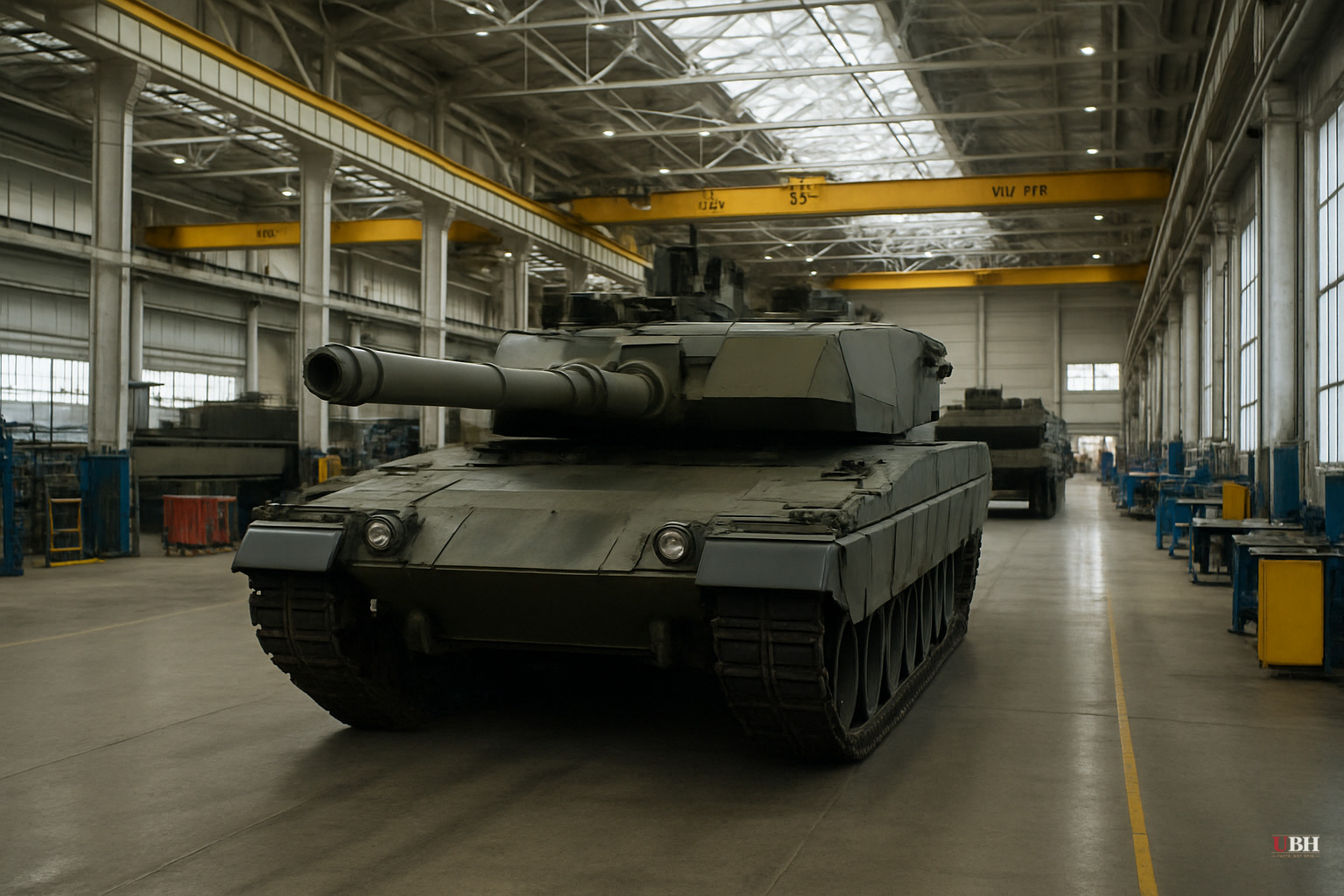
Since European defense stocks began retreating from their post-Ukraine invasion highs, the sector has been testing investor patience. KNDS, the Franco-German maker of Leopard and Leclerc tanks, became the latest casualty Wednesday when it officially shelved what would have been one of Europe's largest IPOs of 2026.
In a statement released late Wednesday, KNDS said shareholders decided to pause the process pending "more favorable market conditions," specifically calling out "current market volatility for the European Defence sector." The Amsterdam-based company offered no timeline for resuming.
The numbers explain the decision. According to CNBC, sources familiar with the matter said KNDS was struggling to get investors behind a valuation exceeding €12 billion ($13.7 billion). Media reports had previously floated figures as high as €25 billion. That gap between expectation and reality is significant.
KNDS confirmed last week it planned a dual listing in Paris and Frankfurt. A 20% flotation this summer had been widely anticipated after the German and French governments reached an ownership agreement earlier this month. The Wegmann family of Germany owns half the company; the French government owns the other half. Both were expected to retain substantial stakes post-IPO, according to London South East's Sharecast News.
The company employs 11,000 people and posted annual revenues of around €4.4 billion, according to Sharecast News. KNDS was formed in 2015 through the merger of Germany's Krauss-Maffei Wegmann and French state-owned Nexter Systems.
The KNDS pullback doesn't exist in isolation. German munitions maker Rheinmetall has seen its stock fall 32% year-to-date. Smaller peers Hensoldt and Renk are also down on the year. Czech defense firm Czechoslovak Group soared 33% on its IPO day in January, then reversed hard, losing roughly 60% of its value from that peak, according to CNBC. Larger firms like BAE Systems, Leonardo, and Thales have held up better but still underperformed the Stoxx 600 index, CNBC reported, despite massive gains in the sector since 2021. The pattern is consistent: investor enthusiasm for defense spending pledges has run ahead of actual earnings delivery.
The underlying demand story for KNDS is real. European governments have committed hundreds of billions of euros toward rearmament and military modernization in response to Russia's ongoing invasion of Ukraine. Orders for Leopard 2 tanks and Caesar howitzers are genuine. The company's revenue base is not fictional. The problem isn't the business. Investors who demanded caution would say they're not abandoning the sector. They're refusing to overpay for it. At €25 billion, KNDS would have been priced for a decade of accelerated growth materializing on schedule. At €12 billion, investors still walked. That speaks to where the market sees fair value right now.
Critics of the defense spending narrative argue the IPO delay reflects something more structural: European governments are making pledges faster than defense budgets can actually absorb and convert into contracts, production capacity, and ultimately profits. Procurement bureaucracy is slow. Factory capacity takes years to scale. A company's order book looking strong in 2026 doesn't guarantee earnings delivery by 2028. Rheinmetall and others have been executing well operationally, yet their stocks are down sharply anyway. Markets are forward-looking, and right now they're pricing in execution risk at a discount.
KNDS gave no indication of a revised timeline. The statement says the company and its shareholders "stand ready to resume the IPO process as soon as market conditions allow," which is corporate language for: we don't know when either.
The unresolved question is whether this is a months-long pause or a years-long one. If Rheinmetall's stock stabilizes and European defense procurement timelines compress, KNDS could revisit a listing later. If the sector continues to underperform, the Wegmann family and the French government may find themselves sitting on an illiquid asset considerably longer than planned, with no clear exit window in sight.
Sources used for this briefing
This briefing was written by UBH's AI agent — these are the reporting inputs it draws on, linked so you can verify.


