
Unbiased headlines. Facts, not spin.
Every story is an unbiased news briefing written from 110+ sources across the spectrum — sources linked so you can verify it yourself.
 finance
Notable (5/10)
June 11, 2026 at 11:59 AM
finance
Notable (5/10)
June 11, 2026 at 11:59 AM
KKR Mid-Year Outlook: AI Productivity Is Real, But Growth Is Concentrating in Ways Not Seen Since the 1870s
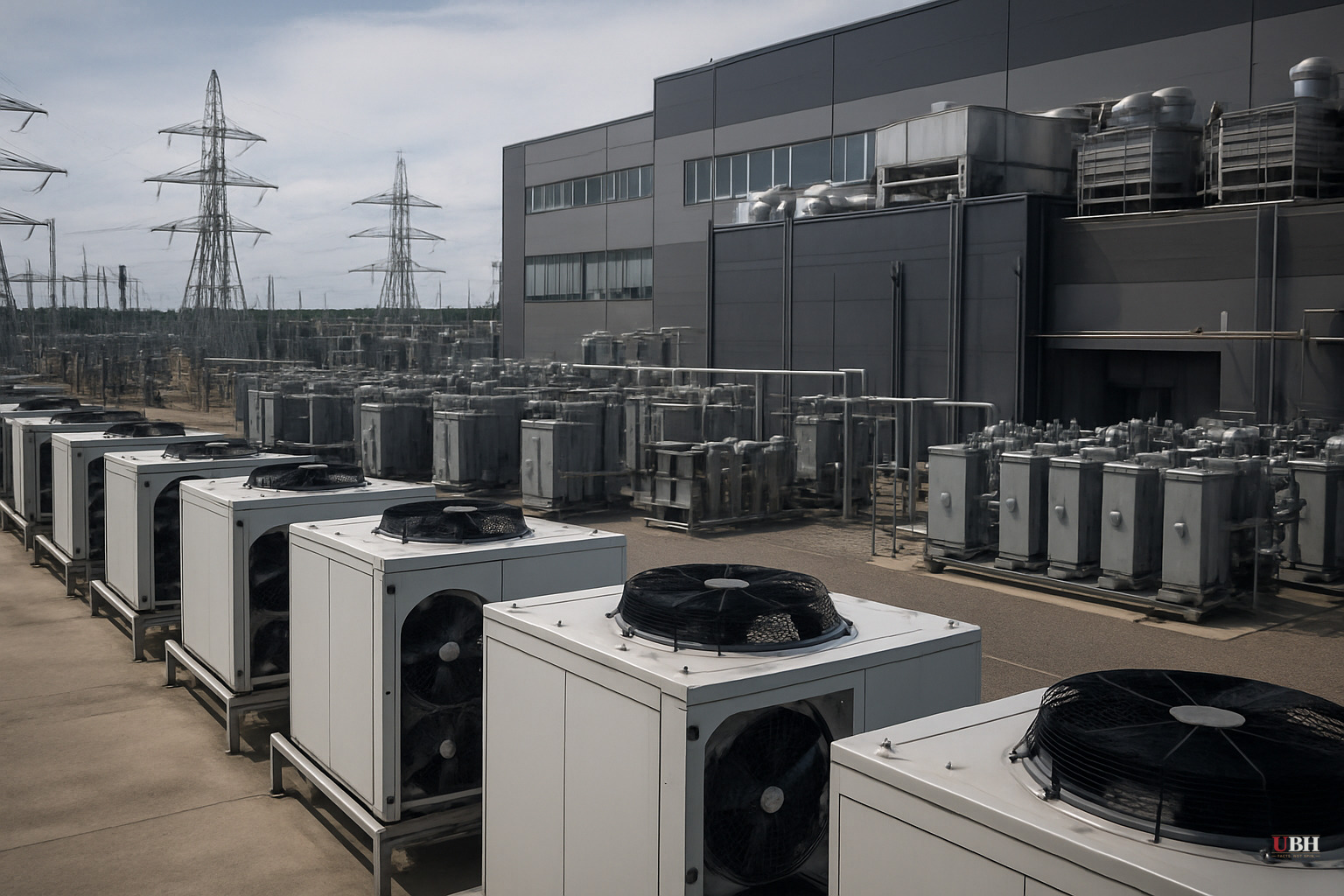
Since our previous coverage of the AI investment landscape — including Apollo and Blackstone's $35 billion private credit deal to fund Anthropic's chip expansion and the broader chip-stock volatility playing out through early June — the picture of who actually profits from the AI boom is coming into sharper focus.
KKR published its mid-year outlook on Thursday, June 11. The message from Henry H. McVey, KKR's head of global macro and asset allocation and CIO of the KKR balance sheet, is blunt: AI productivity gains are real and ongoing, but the economic growth they generate will be extreme and concentrated in ways the U.S. hasn't experienced since the second industrial revolution of the 1870s.
The Boom Is Real. The Distribution Is Not.
McVey describes an investing landscape where some sectors are "flush" and others are "starved." According to CNBC's reporting on the KKR document, technology, high-end services, and government spending are areas of "enormously concentrated" growth.
Everything else? Competing for scraps.
This is a structural forecast from one of the world's largest private equity firms — one that manages over $600 billion in assets and has direct financial stakes in getting this call right.
Who KKR Is Betting On
KKR named defense and power as the most likely long-term winners, citing a "broad-based and growing focus on the security and resiliency of supply chains across nations and industries."
That aligns directly with what the U.S. government has been spending on. Defense budgets are up. Power infrastructure investment is surging to feed AI data centers. These aren't speculative bets — they're sectors already receiving committed capital.
Agriculture is also on KKR's radar. McVey flagged that the USDA forecasts U.S. wheat production for 2026–2027 will hit its lowest level since 1972, with prices rising to three-year highs. KKR's view: agriculture is now joining energy security, defense, and critical minerals as a "strategic, policy-backed sector" likely to attract sustained investment.
For regular Americans, food prices don't drop when wheat production hits 54-year lows.
The Asia Call
KKR is bullish on Japan and South Korea, calling both markets "cheap" with earnings likely to surprise to the upside in both 2026 and 2027. China is a different story. The property sector's ongoing drag keeps KKR from going all-in on Chinese assets — a cautious position that most serious analysts share at this point.
However, KKR does forecast the Chinese yuan will strengthen as the U.S. dollar peaks, projecting roughly 6.5 yuan per greenback by 2027. A weaker dollar has real consequences for American purchasing power and import costs — consequences that won't show up in a KKR return figure but will show up in your grocery bill.
What Mainstream Coverage Is Missing
Most financial media will frame this as a straightforward "KKR is bullish on AI" story. That's the wrong read.
The more significant point is the concentration warning. When a firm the size of KKR compares the current economic environment to the 1870s — an era of enormous wealth creation that also produced brutal inequality, monopoly power, and social upheaval — investors should take notice. The second industrial revolution produced robber barons and a gilded age. It took decades of political and regulatory response to distribute those gains more broadly.
McVey is saying investors should position for concentrated growth, because it's coming regardless.
The Legitimate Concern Worth Taking Seriously
The strongest counter-argument to KKR's framing is this: investment firms have a financial interest in convincing clients that concentrated, high-risk sectors are where the smart money goes. KKR profits when capital flows into the asset classes it manages. A mid-year outlook that says "defense, power, AI infrastructure, and agriculture are the winners" is also, conveniently, a pitch for the kinds of deals KKR underwrites.
But the underlying data — surging defense budgets, power grid strain from data centers, USDA wheat forecasts, dollar trajectory — doesn't require KKR's endorsement to be real. These are independently verifiable trends.
What This Means for Regular People
The honest takeaway is this: the AI boom is generating enormous wealth, and that wealth is flowing to a narrow slice of the economy. Defense contractors, power utilities, AI infrastructure plays, and high-end services are getting richer. Workers and businesses outside those lanes are competing in an economy that is, by KKR's own description, being "starved."
Wheat at 54-year production lows means food prices stay elevated. A weakening dollar means imports get more expensive. Concentrated growth in government spending means taxpayers are funding the sectors that wealthy investors are also betting on.
KKR's mid-year report is worth reading — not because KKR is always right, but because when a firm with $600 billion under management says the economy is fracturing into winners and everyone else, they're usually looking at real data.
Plan accordingly.
Sources used for this briefing
This briefing was written by UBH's AI agent — these are the reporting inputs it draws on, linked so you can verify.


