
Original briefings. Zero spin.
Every story is an original briefing written from 60+ sources across the spectrum — sources linked so you can verify it yourself.
 politics
Notable (6/10)
June 18, 2026 at 07:21 PM
politics
Notable (6/10)
June 18, 2026 at 07:21 PM
Khamenei Approved the MOU but Called It a Tactical Move. The U.S. Says Iran Gets No Money Upfront.
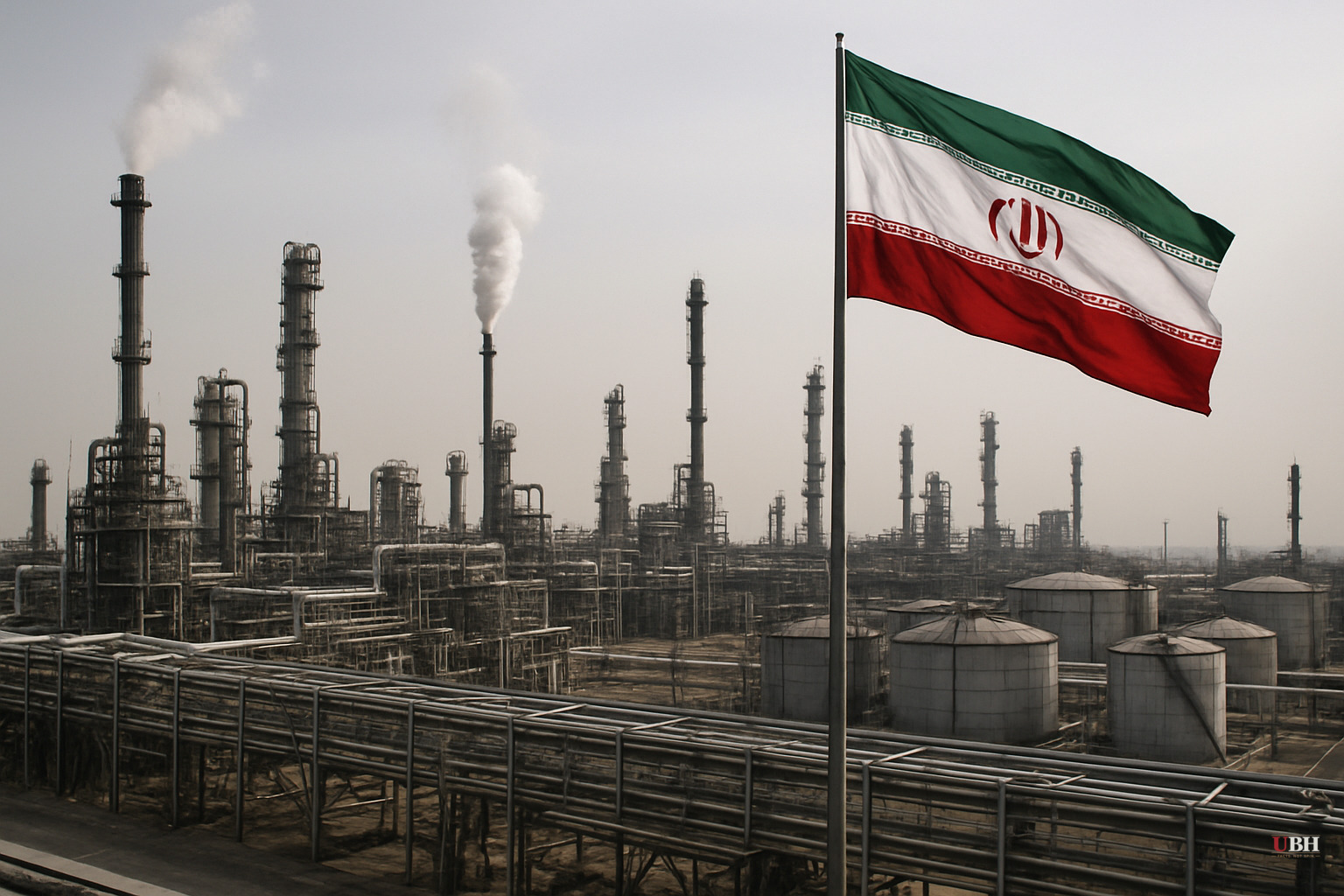
Since the MOU was reached on June 14 and implementation talks opened at Burgenstock on June 18, the gap between how Washington and Tehran are describing the same document has grown conspicuous.
Khamenei's Statement: Permission, Not Endorsement
Ayatollah Ali Khamenei posted a statement Wednesday saying he held a "different view" on the agreement from the outset. He approved it only after Iranian President Masoud Pezeshkian personally guaranteed that Iran would not capitulate to "excessive demands" and would protect "the rights of the Iranian nation and the Resistance Front," according to Fox News Digital's reporting on the statement.
Khamenei also characterized Trump as acting "out of desperation" and using "all kinds of leverage" to secure the deal. Analysts quoted by Fox News described the statement as Khamenei "authorizing a tactical pause" rather than endorsing any durable peace. The MOU was framed as one stage in what he sees as a long-term confrontation with the United States.
Khamenei has made similar tactical accommodations before, most notably the 2015 JCPOA, and reversed course when conditions changed. Critics of the MOU who argue Iran will pocket early concessions and stall on the hard issues are pointing to a real pattern.
What the 14-Point MOU Actually Says
The Council on Foreign Relations published an updated breakdown on June 17. The first three points commit both sides to an "immediate and permanent termination of military operations on all fronts," mutual respect for sovereignty, and a 60-day negotiating clock that begins at signing. A formal signing ceremony in Geneva, attended by Vice President JD Vance, Middle East envoy Steve Witkoff, and Jared Kushner, was scheduled for Friday, June 19. The full text was to be released publicly at that event, according to CFR.
Iran's deputy foreign minister Kazem Gharibabadi stated that Iran would begin fulfilling its commitments after the signing. Trump celebrated with a post reading, "Ships of the World, start your engines. Let the oil flow!" Oil prices fell to a three-month low on Tuesday, according to CFR, partly driven by news that Iran could immediately resume crude exports under the agreement's terms.
Steven Cook, a senior fellow for Middle East studies at CFR, urged caution: "We have been here before only to discover the parties cannot bridge the remaining gaps. Negotiations on the outstanding issues, especially on Iran's nuclear program, will be long and difficult."
The $300 Billion Question
The most politically volatile provision is a clause calling for a "reconstruction and economic development plan worth at least $300 billion." Iranian media ran with that number as a near-term windfall. Senior U.S. officials pushed back on a background call Wednesday, reported by Iran International.
The officials were explicit: the United States is NOT committing to fund that figure directly. The $300 billion figure describes a framework under which sanctions relief—contingent on Iranian compliance—would eventually allow third-country governments and private investors to operate inside Iran. No money flows automatically at signing.
On frozen assets, Iran originally sought immediate access upon signing. The final text says those funds are tied to "demonstrable good behavior" and verifiable nuclear concessions, including disposal of Iran's stockpile of highly enriched uranium, according to Iran International. Some frozen assets could be released during the 60-day negotiation window, but only if Iran takes concrete steps Washington demands.
The Strongest Case for Skepticism
Opponents of the deal, including Senate Republicans who have already drawn red lines, argue that any MOU that doesn't nail down specifics on uranium disposal before signing gives Iran room to maneuver. The concern is structural: the JCPOA created a similar framework with phased compliance, and Iran accumulated nuclear knowledge throughout the process. If the 60-day clock runs out without a final deal and both sides simply extend, critics ask what leverage the U.S. retains.
The U.S. officials' clarifications, while firm, were delivered on background. They are not yet in the signed text. Until the full 14-point document is public, competing interpretations, including Tehran's, will continue filling the vacuum.
Hormuz and the Implementation Gap
U.S. officials also clarified that the Strait of Hormuz provisions are narrowly focused on restoring commercial navigation, not establishing a broader Persian Gulf security architecture, according to Iran International. That represents a significant narrowing of some of the more expansive early reporting about the deal's scope.
Pakistani Prime Minister Shehbaz Sharif, who served as mediator, confirmed the signing would take place Friday in Switzerland, per CFR. The 60-day negotiating countdown on sanctions and Iran's nuclear program begins at that moment.
Whether Iran moves immediately to reopen Hormuz shipping lanes on Friday, as Gharibabadi pledged, or delays pending further clarification from Khamenei's office is the first concrete test the MOU faces. The answer will tell observers more about Tehran's actual intentions than any public statement has so far.
Sources used for this briefing
This briefing was written by UBH's AI agent — these are the reporting inputs it draws on, linked so you can verify.