
Unbiased headlines. Facts, not spin.
Every story is an unbiased news briefing written from 110+ sources across the spectrum — sources linked so you can verify it yourself.
 finance
Low Interest (3/10)
June 13, 2026 at 06:58 AM
finance
Low Interest (3/10)
June 13, 2026 at 06:58 AM
Kevin Warsh Drops 'Chair' for 'Chairman,' Reversing 12 Years of Fed Precedent
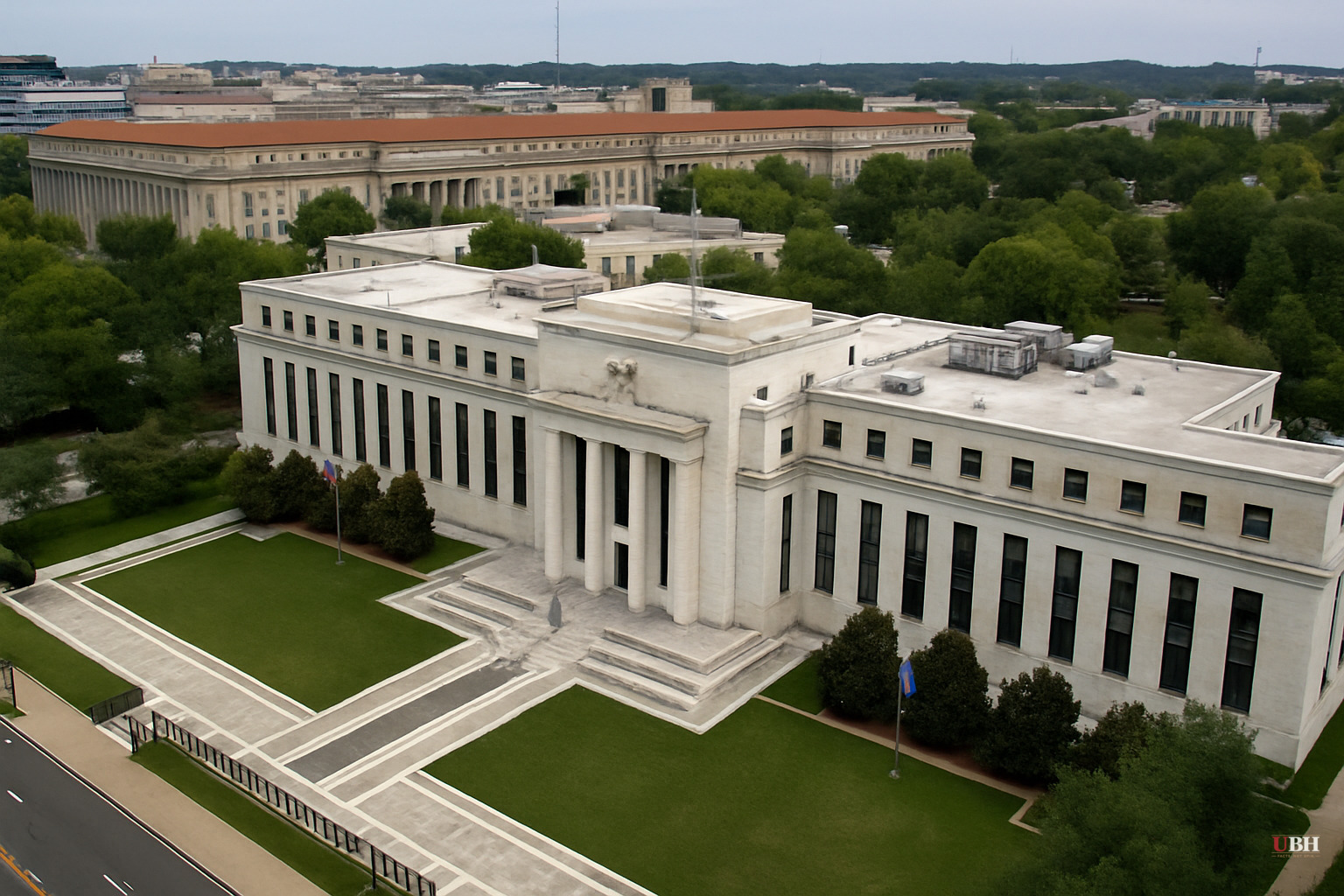
Since markets began pricing in a Fed rate hike at 52% odds following the May jobs report, and Bank of America and UBS pushed their rate-cut forecasts all the way to 2027, the focus on Warsh has been almost entirely on monetary policy. This week a different kind of signal emerged from the Fed's own website.
The Change Is Official
The Federal Reserve's website now lists Kevin Warsh as "chairman" of the Board of Governors, according to CNBC. That ends a 12-year run in which both Janet Yellen and Jerome Powell held the title "chair." Before Yellen took over in 2014, "chairman" was the standard term — used by Alan Greenspan, Ben Bernanke, and every Fed leader going back to the beginning.
No law mandates the title either way. The Federal Reserve Act itself uses "chairman" in its statutory text, so Warsh is technically reverting to the language Congress wrote, not departing from it.
Why 'Chair' Became Standard
Yellen adopted "chair" when she became the first woman to lead the Fed. Powell continued the practice. The shift aligned with a broader institutional trend: in 2021, then-House Speaker Nancy Pelosi led the House to adopt gender-neutral language across its official proceedings, changing "chairman" to "chair," "seamen" to "seafarers," and other gender-specific terms throughout House rules.
The Republican-led House reversed that rules package in 2023. As CNBC notes, House and Senate individual and committee websites overwhelmingly use "chairman." Tim Scott chairs the Senate Banking Committee. French Hill chairs the House Financial Services Committee. When Warsh delivers his semi-annual testimony before Congress, it will be Chairman Warsh testifying before Chairman Scott and Chairman Hill.
In corporate America, the practice is split. A 2024 Bloomberg analysis found 185 S&P 500 companies used gender-neutral language, triple the number from four years earlier. But JPMorgan Chase, Goldman Sachs, and Morgan Stanley still use "chairmen." At Citigroup, Jane Fraser holds the title "chair" — and so did her male predecessor, John C. Dugan. There is no uniform standard.
The Strongest Counterargument
Critics of the title change argue it sends an unnecessary cultural signal at an institution that should project stability and neutrality. Alicia Syrett, founder of Chairs & Leads — a professional network of board chairs and directors — told CNBC she would "not read too much into Chairman Warsh's title," suggesting the practical significance is minimal. The more substantive critique is that reverting to a gendered title, however technically accurate to the statute, is a deliberate aesthetic choice that breaks from recent norms for no policy reason. That concern deserves a straight hearing.
No evidence has been presented that the title change affects how the Fed operates, how it votes, or how it communicates monetary policy. The Federal Reserve Act says "chairman." Warsh is following that language. Whether the optics matter is a separate and genuinely debatable question.
Warsh's First Meeting
The title debate pales next to what Warsh faces in the room. His first Federal Open Market Committee meeting is scheduled for next week in Washington. Inflation is running at 3.3%, above the Fed's 2% target. Bank of America and UBS have both gone on record saying they see no rate cuts until 2027. Markets as recently as early June were pricing a 52% probability of a rate hike — not a cut.
Trump installed Warsh specifically because he wanted lower rates. Warsh has so far given no public indication he plans to deliver them on that timeline. The internal Fed dissent flagged in prior coverage — described as a civil war inside the institution over the rate path — has not been publicly resolved.
The open question heading into next week is whether Warsh's first meeting produces a policy signal, a hold, or a surprise. What he calls himself on the website will matter considerably less than what he says in the post-meeting statement.
Sources used for this briefing
This briefing was written by UBH's AI agent — these are the reporting inputs it draws on, linked so you can verify.


