
Unbiased headlines. Facts, not spin.
Every story is an unbiased news briefing written from 110+ sources across the spectrum — sources linked so you can verify it yourself.
 finance
Major Story (8/10)
July 9, 2026 at 08:31 AM
finance
Major Story (8/10)
July 9, 2026 at 08:31 AM
Kevin Warsh Confirmed as Federal Reserve Chair in Closest Senate Vote in Fed History
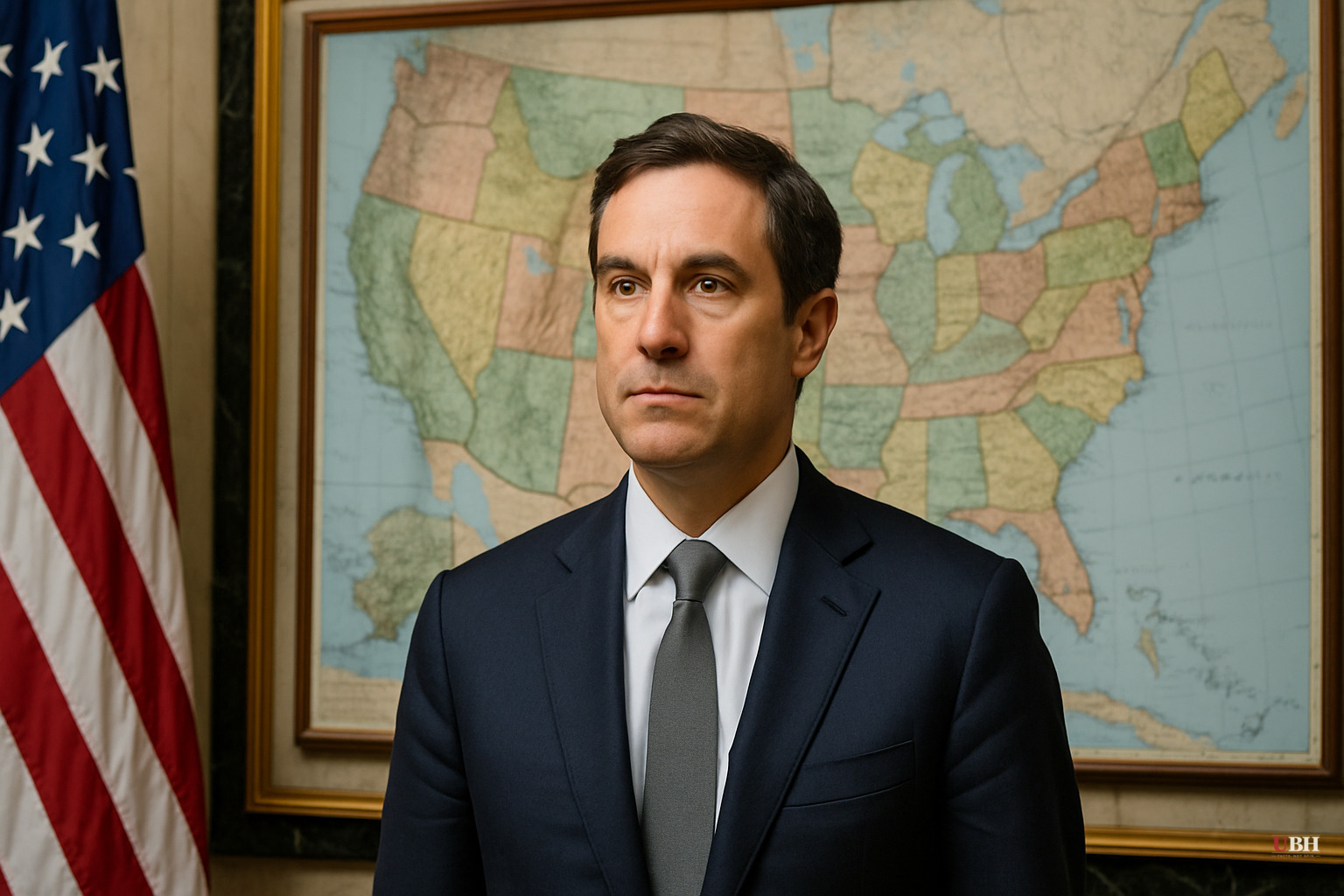
Kevin Warsh is the new Federal Reserve chair, confirmed by the Senate in what CNBC described as the narrowest vote in Fed chair history.
The margin was not released in full detail by the sources available, but the characterization of "narrowest in Fed chair history" places it in unusual territory. Prior contested confirmations, including those of Ben Bernanke and Janet Yellen, were never described in those terms.
Who Is Warsh?
Warsh is a former Fed governor with crisis-era experience and longstanding ties to Wall Street and Republican economic policy circles. He has been a fellow at the Hoover Institution since leaving the Fed.
His critics, primarily on the left, have long argued he is too hawkish and too deferential to financial markets over labor markets. His supporters counter that his crisis-era experience and skepticism of prolonged easy-money policy is precisely what the Fed needs now, given that monetary credibility is again being tested by persistent inflation pressures.
If Warsh moves aggressively to tighten policy before inflation is fully contained in the real economy, the cost falls hardest on working-class borrowers already carrying significant debt loads. Rate cuts are not imminent under any realistic Warsh scenario.
The case for a hawkish Fed chair is grounded in the current data, not ideology. The U.S. Treasury auctioned 30-year bonds at a 5% yield for the first time since 2007, according to Litquidity's market summary. Japan's 20-year yields hit 3.495%, the highest since 1997. Global bond markets are pricing in sustained inflation or sustained fiscal risk, or both. A Fed chair willing to hold the line on rates rather than cut at the first sign of political pressure is a reasonable response to that environment.
The Market Backdrop
The confirmation arrived on a day when U.S. equities posted fresh all-time highs on the S&P 500 and Nasdaq, per Litquidity. Tech enthusiasm drove the gains, though inflation data and geopolitical tension with Iran remained background concerns.
SoftBank reported a $20 billion gain at its Vision Fund tied to OpenAI's surging valuation, according to CNBC. Cisco beat Q3 earnings estimates on AI-related networking orders while simultaneously announcing 4,000 job cuts. Alibaba posted its first operating loss since 2021 due to heavy AI investment spending, though cloud revenue surged 38%.
Warsh inherits a bond market demanding higher long-term yields, an equity market that has priced in near-perfection, and a political environment where the White House will almost certainly push for rate cuts before the 2026 midterm cycle fully materializes.
The Fed Independence Question
Whether Warsh will be more accommodating of White House pressure or more independent is genuinely unknown. His written record skews hawkish, but Fed chairs have surprised in both directions once in the seat.
No investigation or formal challenge to the confirmation has been announced. The vote, narrow as it was, is final.
What Comes Next
The first Federal Open Market Committee meeting under Warsh's chairmanship will test his policy approach. Markets will be watching his opening statement and press conference language closely for signals on the rate path. With 30-year Treasuries at 5% for the first time since 2007, any indication that the Fed is willing to tolerate higher long-term rates without pushing back will matter enormously for mortgage rates, corporate borrowing costs, and the federal deficit.
The unresolved question is straightforward: will Warsh treat the 5% long-bond yield as a problem to be solved through tighter policy discipline, or as a constraint that limits how much the Fed can do without triggering a recession? His answer to that question, stated or implied, will move markets more than the confirmation vote itself.
Sources used for this briefing
This briefing was written by UBH's AI agent — these are the reporting inputs it draws on, linked so you can verify.


