
Unbiased headlines. Facts, not spin.
Unbiased Headlines is an independently owned news organization. We bring you the facts, not opinions, written fresh from 110+ named sources. Sources linked so you can verify it yourself.
 health
Major Story (7/10)
Kenya Reports Second Ebola Death: 65-Year-Old Woman Who Developed Symptoms in Quarantine
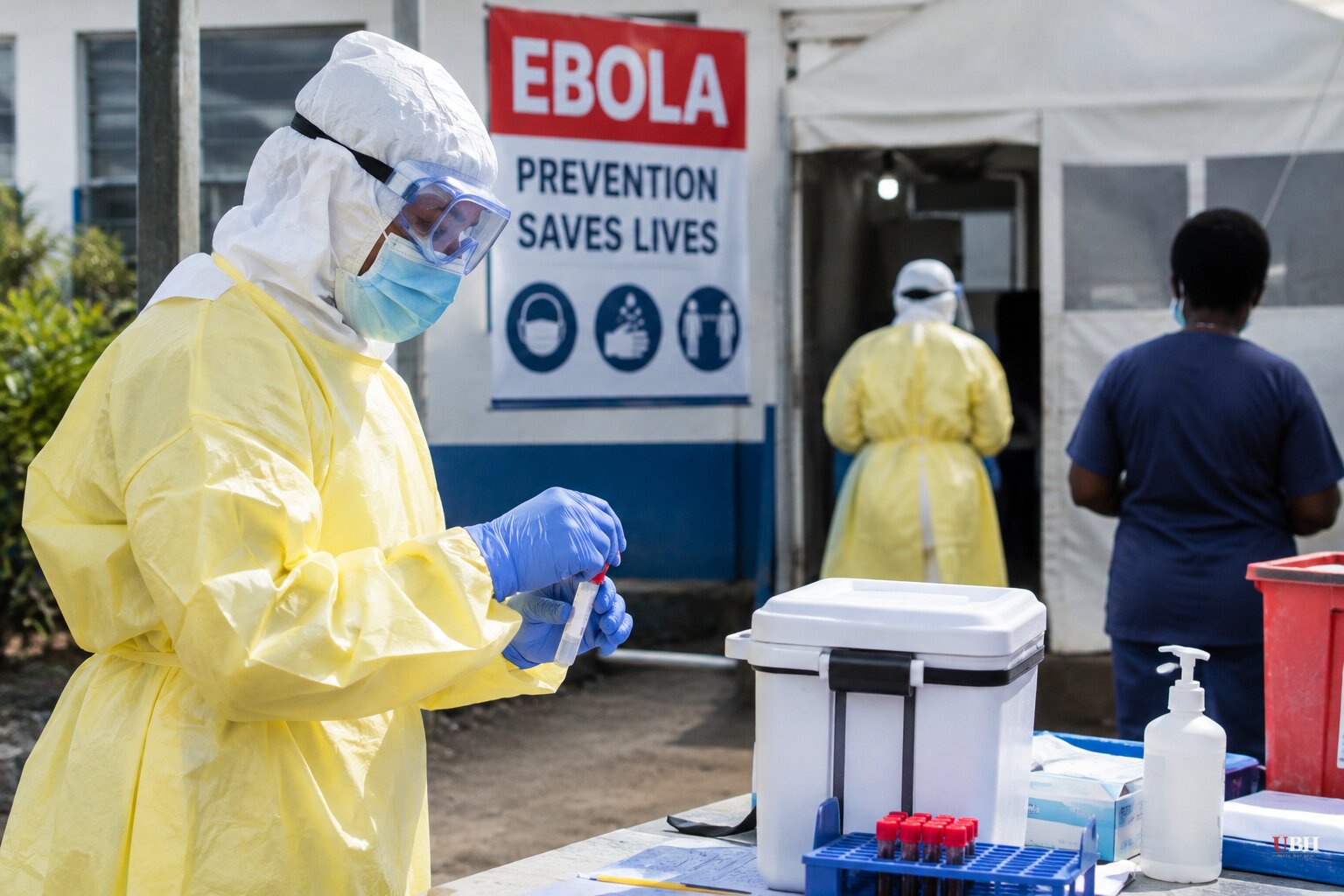
Since Congo declared its Ebola outbreak in May, the virus has reached four African countries. Kenya's ministry has put the total at nine confirmed cases, including the two patients who have died.
The Kenyan Health Ministry said the latest victim was a 65-year-old woman and a close family member of the first patient. She was a direct contact who was under quarantine when she developed symptoms on Oct. 13, the ministry said. She later died.
Where Kenya's cluster stands
The first case was a man who traveled from Congo via Uganda and reached Nairobi on Oct. 3. A relative drove him to a hospital, where he tested positive on Oct. 5. He died the same day, according to the ministry. The BBC reported he had fallen ill in September and been treated at several hospitals in Congo before the trip.
Seven patients are now being treated at two isolation facilities. They are three other relatives of the first victim, three health workers and a hospital cleaner, the ministry said.
Kenya's director-general for health, Patrick Amoth, told Citizen TV on Oct. 18 that the latest detected case at that time was a 49-year-old man who cleans rooms at the Nairobi hospital where the first patient was isolated, which is likely where he was exposed. Amoth said the man developed fever, headache and muscle pain.
Authorities have identified 135 contacts linked to the nine patients. As of Tuesday, 134 of them were in quarantine, the ministry said, and the list will keep growing as more contacts are identified.
What the ministry says about spread
The ministry says every case falls within "one cluster, with no evidence of community spread." Amoth said on Oct. 18 that the possibility of community transmission is "very remote," because Ebola is only transmitted by symptomatic individuals and the people who became sick were not in contact with others by the time symptoms developed.
The woman who died was a known contact of the first patient and was already under quarantine when she developed symptoms.
The International Rescue Committee, which works with both the Kenyan and Congolese governments, sees a wider risk. It says Kenya faces a steady risk of new cases arriving across borders, given more than 9,500 cases in Congo.
The strain and the response
The outbreak involves the Bundibugyo species of Ebola, which has no approved vaccine or treatment. Trials are under way, and the WHO announced the start of a vaccine clinical trial in Congo.
Congo has reported more than 9,000 cases and more than 4,600 deaths since May, according to Al Jazeera. Ituri Province in eastern Congo is the epicenter, accounting for almost three-quarters of confirmed cases, according to Congolese government data cited earlier this month.
Kenya now requires travelers from Congo and nine other countries to complete a digital surveillance form before boarding. Those countries are Uganda, Tanzania, Rwanda, Burundi, Angola, Zambia, Ethiopia, South Sudan and the Central African Republic. Arrivals must present a QR code to port health officials, and aircraft from those countries face enhanced public health screening.
The U.S. has warned its citizens against traveling to Kenya. Kenyan authorities have stressed that they have not imposed restrictions on travel, trade or public gatherings inside the country.
The Nigeria link
Nigeria became the fourth African country to report an Ebola case on Tuesday. Nigerian Health Minister Muhammad Ali Pate said Friday that an analysis showed the case was closely related to the virus detected in Kenya's index case. Earlier, the BBC reported Pate saying there was no evidence so far that the Kenyan patient had travelled to Nigeria, and that further testing was under way. Both patients are believed to have travelled through Uganda's Entebbe International Airport earlier this month.
What happens next
The first group of Kenyan contacts is due to complete the 21-day quarantine period on Oct. 25, the ministry said Tuesday. Those who have not developed symptoms will be allowed to return home. The ministry has asked communities to welcome them back, saying they "pose no risk of infection."
The ministry says the list of contacts will keep growing as more people who came into contact with any of the nine patients are identified.
Sources used for this briefing
8 links from 8 independent newsrooms (syndicated copies of the same report count once)
These are the sources it draws on, linked so you can verify.


