
Unbiased headlines. Facts, not spin.
Unbiased Headlines is an independently owned news organization. We bring you the facts, not opinions, written fresh from 110+ named sources. Sources linked so you can verify it yourself.
 health
Major Story (7/10)
Event date: October 22, 2026 ·
Humana and UnitedHealthcare to end Medicare Advantage plans covering about 1 million seniors in 2027
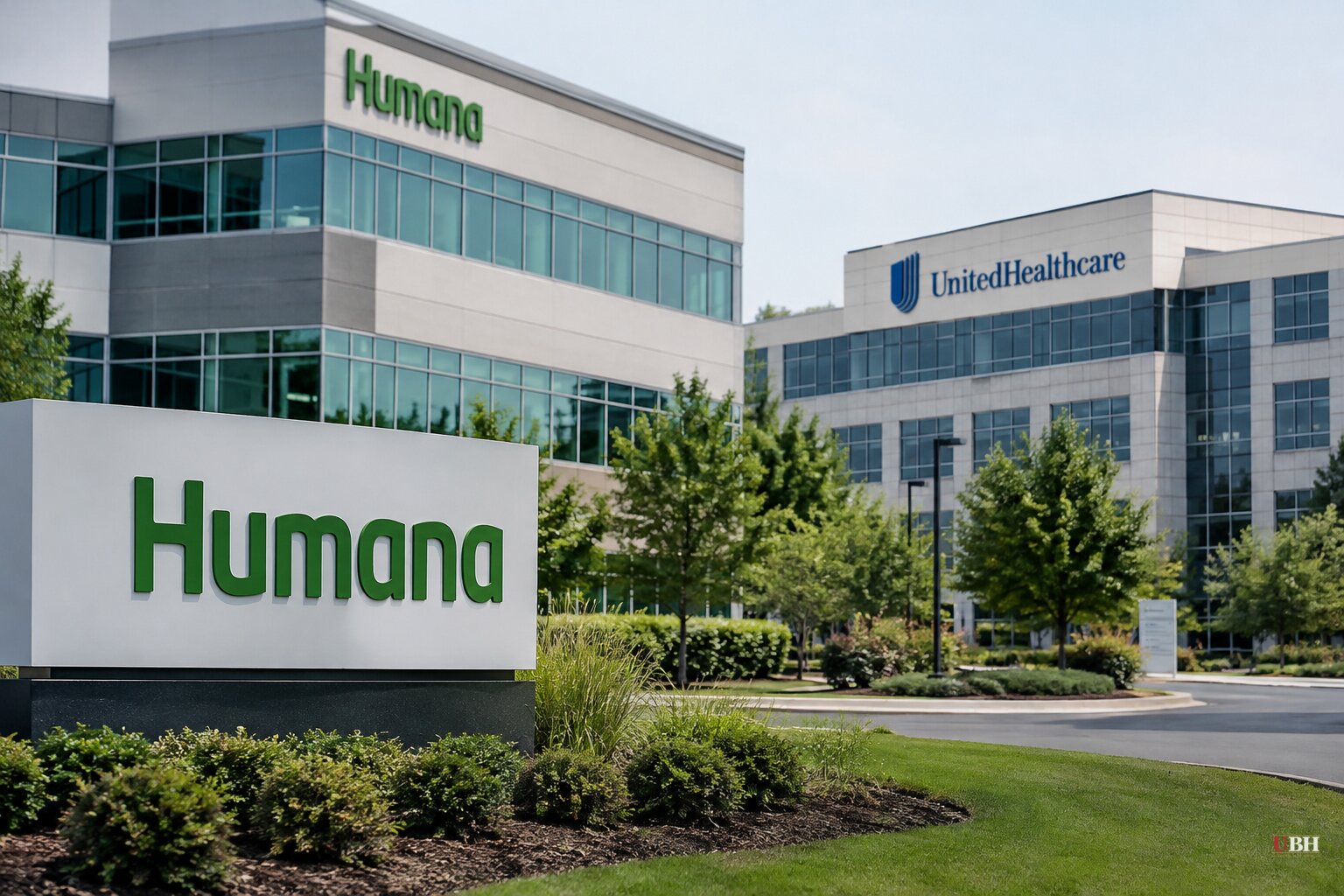
Two of the biggest private Medicare insurers are shutting down plans seniors have been using. Humana and UnitedHealthcare are ending Medicare Advantage coverage for about 1 million people combined, starting Jan. 1, 2027.
Healthcare Brew first reported the figure. Both companies have since confirmed their numbers.
The two exits
Humana expects plan exits to affect roughly 600,000 members. A company spokesperson said most of them will be offered an alternative plan. The number is not new. Humana CFO Celeste Mellet told investors on a July earnings call that the company would "work to recapture a significant portion" of those members.
UnitedHealthcare is closing a Medicare Advantage plan for about 390,000 members. A spokesperson said most affected members will still have access to another UnitedHealthcare Medicare Advantage plan, and that the company is providing "personalized support" to help them choose.
UnitedHealthcare said it faces higher costs and increased plan usage, pressures it says hit the whole industry.
So "1 million lose coverage" overstates it. A million people lose their plan. Whether they keep comparable benefits, doctors and prices is a separate question.
A third year of churn
This is not a one-off. CNN counts more than 3 million Medicare Advantage enrollees who must find new plans for 2027, the third straight year of upheaval. Last year about 3 million seniors had to hunt for replacements.
NPR's Dan Weissmann, host of the health-cost podcast An Arm And A Leg, says more than 40 states will lose some Medicare Advantage plans next year. Nearly 200 counties, mostly rural, will have no Medicare Advantage option at all.
Medicare Advantage covers just over half of Medicare's roughly 71 million enrollees. Insurers estimate enrollment will fall to 34 million in 2027, or 47.4% of the total. CMS expects actual enrollment to come in higher than that projection.
Why insurers say they are leaving
The industry's explanation is money. Medical costs have outpaced what the federal government pays insurers to cover Medicare enrollees, so insurers are dropping their least profitable plans and accepting fewer customers.
That is how for-profit companies behave, and Medicare Advantage runs on that arrangement. The insurers answer to shareholders, and Weissmann put it this way: "If these companies don't think it's profitable to operate your insurance plan anymore, they don't have to."
Critics push back on the premise. CNN reports that some critics say the insurers are overbilling for patient care, which would mean the cost squeeze is partly of the industry's own making. The insurers have not conceded that point in the statements released so far.
What seniors are facing
The practical fallout is already visible in Minnesota, where hundreds of thousands of people had to find new plans last year and more plans are closing this year. Kelli Jo Greiner, who runs a state agency that operates a Medicare hotline there, described last year's scramble as "total chaos," with two-hour wait times. She said people who got through often found the remaining plans covered less.
Bob Heffernan of Vermont had two Medicare Advantage plans withdraw over three years and switched back to original Medicare "successfully." He still called Medicare Advantage "truly superior" for covering doctor visits, lab costs and prescription drugs.
Diane Payne, another enrollee, told PBS her main challenge is that dental and vision costs, deductibles and out-of-pocket spending are all rising.
CNN cites experts who say the 2027 plan landscape means fewer plans, higher out-of-pocket costs and skimpier supplemental benefits. Medicare Advantage plans typically have narrower doctor networks than traditional Medicare, and some treatments require prior authorization.
Other 2027 changes in Medicare
The Medicare Part D out-of-pocket cap rises to $2,400 from $2,100 in 2026. The standard Part D deductible rises from $615 to $700.
The temporary Part D premium subsidy ends at year's end. The Biden administration started it in 2024 in response to effects of the 2022 Inflation Reduction Act, and the Trump administration is concluding it. CMS projects only modest price increases for most people. The agency did not respond to the Associated Press's request for comment.
New Medicare-negotiated prices take effect Jan. 1 for 15 drugs, including Ozempic, Rybelsus and Wegovy. The Social Security Administration announced Wednesday a 3.6% cost-of-living adjustment for 2027, worth about $75 more per month.
President Trump announced this month a $90 payment to about 20 million seniors to help cover part of their Medicare premiums. Medicare Advantage enrollees are not eligible, according to CNN.
CMS Administrator Dr. Mehmet Oz said in a statement that the agency is "fighting to keep high-quality care options affordable and accessible for the millions of beneficiaries who rely on Medicare Advantage and Part D prescription drug plans."
KFF, the health policy research organization, found employer-sponsored family premiums rose 9% this year, with the average annual worker cost now exceeding $7,000. AARP's Nancy LeaMond said in a statement that higher healthcare costs are making it harder for older Americans to afford care.
What comes next
Open enrollment began Thursday, Oct. 15, and ends Dec. 7. Seniors whose plans are ending have until then to choose coverage that takes effect Jan. 1. The unresolved number is how many of Humana's 600,000 affected members stay with the company, as Mellet told investors it hopes, and how many leave for rival plans or original Medicare.
The midterm elections arrive weeks from now, with both parties courting a senior voting bloc.
Sources used for this briefing
7 links from 6 independent newsrooms (syndicated copies of the same report count once)
These are the sources it draws on, linked so you can verify.


