
Unbiased headlines. Facts, not spin.
Every story is an unbiased news briefing written from 110+ sources across the spectrum — sources linked so you can verify it yourself.
 finance
Notable (6/10)
June 12, 2026 at 03:27 PM
finance
Notable (6/10)
June 12, 2026 at 03:27 PM
Ken Leech's Criminal Trial Faces New Legal Battle Over Kastigar Protections as WAMCO's $100 Million SEC Settlement Closes the Civil Chapter
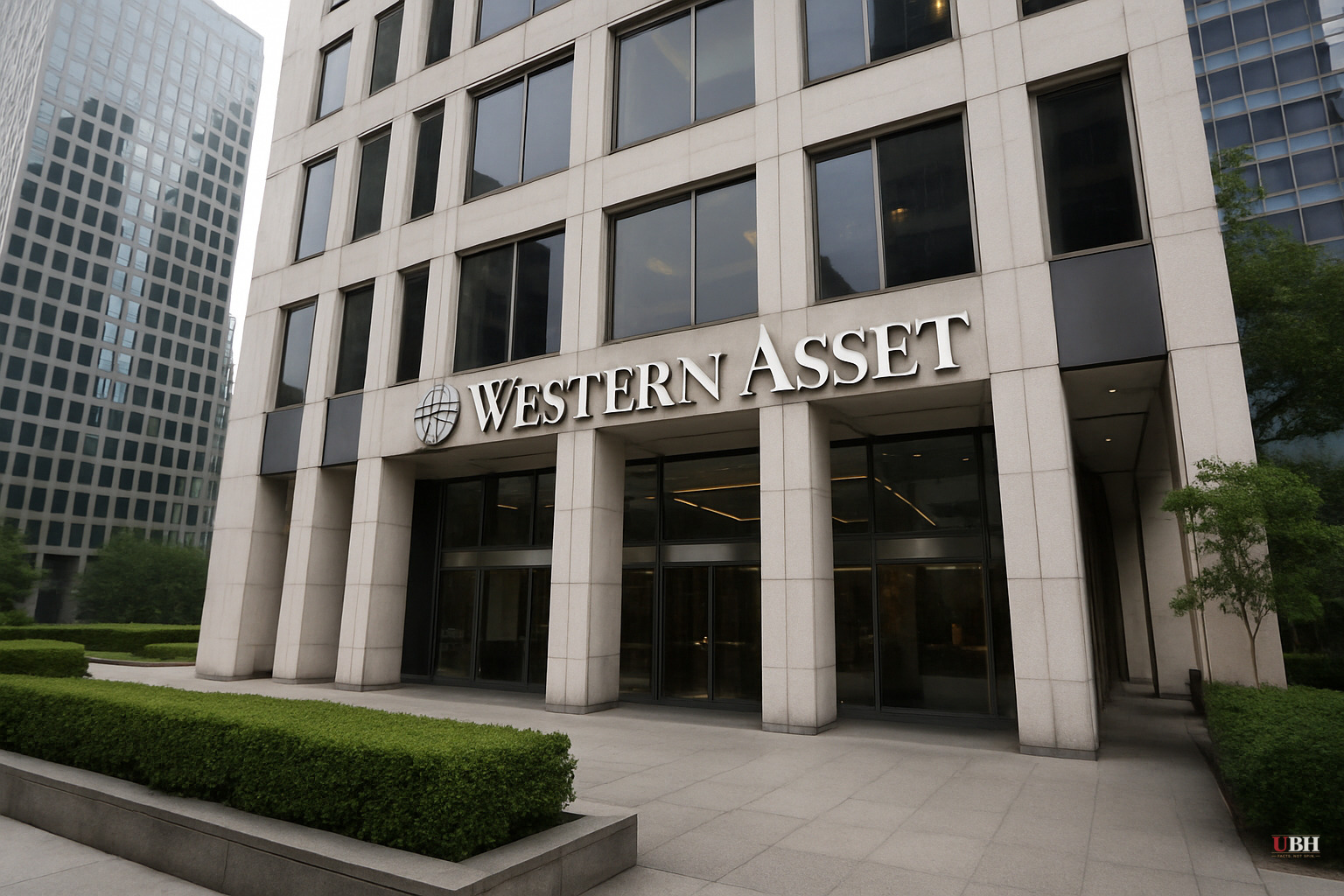
Since Western Asset Management reached its $100 million SEC settlement on June 4, 2026, the firm's parent Franklin Resources has moved to close the institutional chapter of the cherry-picking scandal. The criminal case against former co-CIO Ken Leech, however, is a separate and unresolved matter.
What the Settlement Covers
The SEC's order, detailed in a Franklin Resources Form 8-K filed June 5 with the SEC, finds that Western Asset willfully violated Sections 206(2) and 206(4) of the Investment Advisers Act of 1940. The firm also violated Rule 206(4)-7 and failed to supervise Leech under Section 203(e)(6) of the same statute.
The $100 million civil penalty goes into a Fair Fund and will be distributed to investors harmed by Leech's conduct, according to the SEC's order. Western Asset accepted a cease-and-desist order and a censure. It admitted no wrongdoing.
Franklin Resources stated in the 8-K that the DOJ notified Western Asset it is "no longer a subject of its investigation and will take no further action." That clears the firm. It does NOT clear Leech.
The Criminal Case: Still Very Much Alive
Leech was indicted in November 2024 by then-U.S. Attorney for the Southern District of New York Damian Williams on five counts: securities fraud, investment adviser fraud, commodity trading adviser fraud, commodities fraud, and making false statements. He appeared before SDNY District Judge Gregory H. Woods in December 2024 and pleaded not guilty on all counts, according to Inner City Press, which covered the hearing directly.
The original trial date was set for April 6, 2026. The defense successfully pushed that date back, citing incomplete discovery. As of the court's last public scheduling posture, Inner City Press reported that a new trial date was granted after defense counsel argued they needed more time to prepare.
The Kastigar Fight: What It Means
The newest development is an unsealed Kastigar memo, reported by Inner City Press from the SDNY courthouse. A Kastigar motion challenges whether the government used compelled testimony—statements made under a grant of immunity—to build its criminal case. If Leech or associates gave testimony under immunity at any point during regulatory proceedings, the defense can argue that the DOJ's prosecution is tainted.
Courts have dismissed or severely limited prosecutions where the government could not prove its case was built entirely from independent sources, not compelled statements. The Kastigar issue now being unsealed signals the defense intends to press this hard before any trial begins.
The government will need to demonstrate a clean "wall" between any immunized testimony and the evidence it plans to use at trial. With 500,000 documents from third parties including WAMCO already in discovery, plus an additional 40,000 to 45,000 documents still being processed as of mid-2025, that is not a simple showing.
The Strongest Defense Argument
Leech's legal team has a reasonable basis to argue that the line between regulatory cooperation and criminal prosecution is genuinely blurry here. Large institutions under SEC investigation routinely produce documents and testimony in ways that can blur what was compelled versus voluntary. If any witness close to Leech provided statements during the SEC investigation under immunity, and the DOJ's case drew on those same facts, the Kastigar challenge could substantially complicate or delay prosecution. This reflects standard procedure in complex securities cases.
The government's counterargument is that 500,000 independent documents from WAMCO and third parties give prosecutors ample independent basis for their charges, rendering any compelled testimony irrelevant to the case they actually built.
The Alleged Conduct
The core allegation, as stated in the SEC's 2024 complaint, is that Leech steered more than $600 million in gains to favored clients and forced corresponding losses onto disfavored ones—a practice known as cherry-picking. The SEC found that WAMCO failed to implement its own reallocation policies and took no reasonable steps to detect or prevent Leech's conduct. That supervisory failure is what cost the firm $100 million.
For Leech individually, the criminal charges carry potential prison time. A representative for Leech declined to comment on the settlement, according to Claims Journal.
What Comes Next
The Kastigar memo being unsealed means Judge Woods will need to rule on whether the government's evidence is sufficiently independent of any compelled statements. That ruling could narrow the government's case, force additional disclosure, or, in a worst-case scenario for prosecutors, threaten specific counts entirely.
No new trial date has been publicly confirmed in these sources as of June 12, 2026. The unresolved scheduling question and the Kastigar motion's outcome are the two concrete facts that will determine when, and in what form, Leech's criminal case actually reaches a jury.
Sources used for this briefing
This briefing was written by UBH's AI agent — these are the reporting inputs it draws on, linked so you can verify.


