
Unbiased headlines. Facts, not spin.
Unbiased Headlines is an independently owned news organization. We bring you the facts, not opinions, written fresh from 110+ named sources. Sources linked so you can verify it yourself.
 tech
Notable (6/10)
Kaspersky: Keenadu Malware Found Preinstalled on 220,000+ Android Devices in 2026
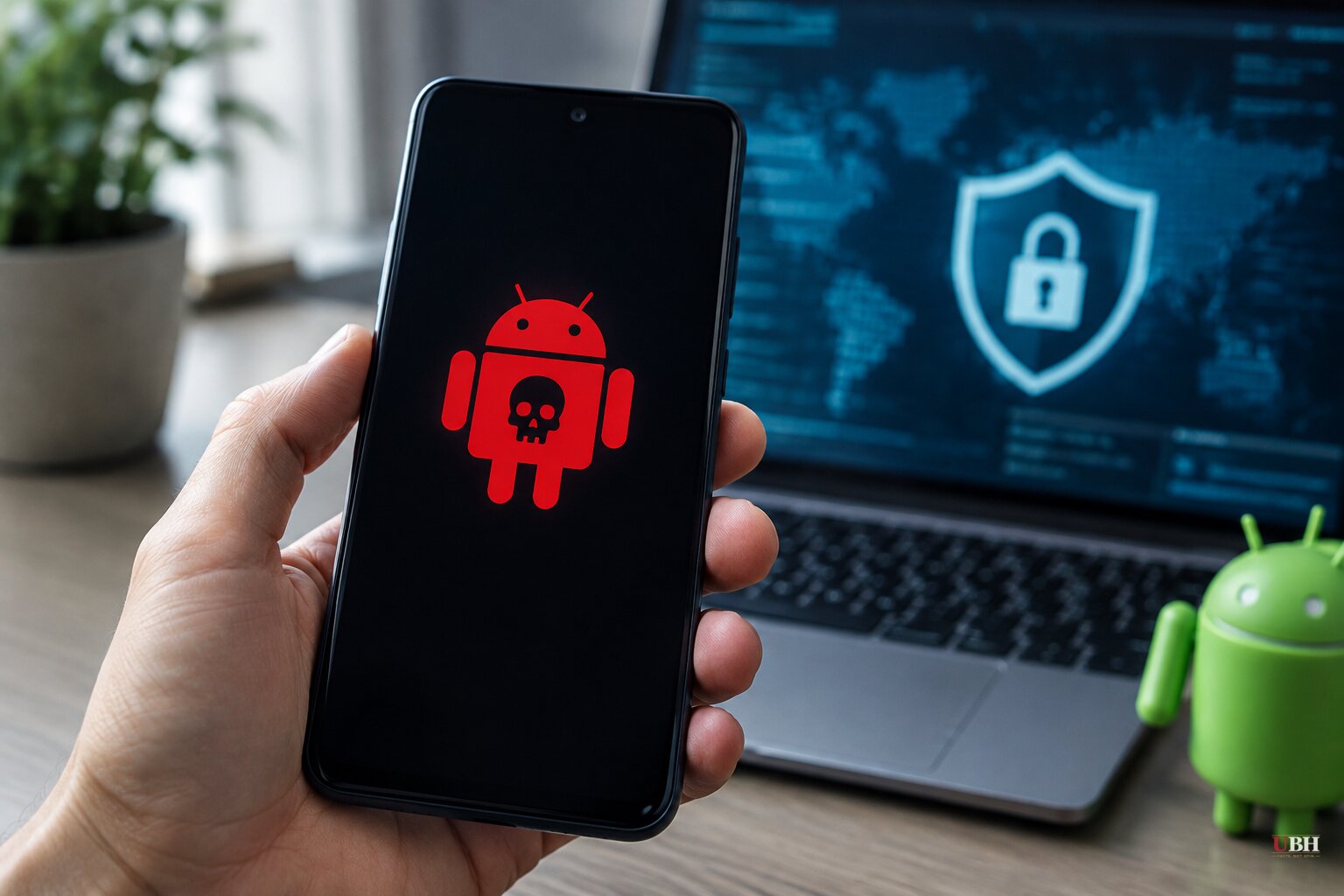
A new Android phone can arrive with malware already baked into its firmware. That is the central finding of a report Kaspersky published on its Securelist blog on Nov. 25, 2026.
According to Kaspersky Security Network data, the number of Android devices detected each month with malicious code in their firmware or system apps grew more than 2.5 times between November 2025 and October 2026.
The numbers
Kaspersky says its software detected the Keenadu backdoor on more than 220,000 devices from January through October 2026.
Keenadu and an older family called Triada together accounted for 88% of the devices Kaspersky flagged with preinstalled malware in that period.
Triada was first discovered about ten years ago. Kaspersky says users ran into roughly twenty distinct Triada variants in 2026, with Backdoor.AndroidOS.Triada.ag and Backdoor.AndroidOS.Triada.z the most common. Kaspersky traced the earliest known firmware carrying Keenadu to 2023.
All of these figures are Kaspersky's own telemetry. They count devices where Kaspersky's software is installed, not the whole Android market, and no independent tally has been published.
How it gets on the device
Kaspersky describes a supply chain problem. In some cases a manufacturer installs the malware on purpose. In others, a legitimate brand that assembles the final product receives malicious firmware from a contractor acting in bad faith, or a component used in the build process has been compromised.
Earlier Kaspersky research also found Keenadu arriving through over-the-air firmware updates on some devices, which means a phone can be infected after it is already in someone's hands.
The company says several large organizations contacted it over the past year after its endpoint protection flagged Keenadu or Triada on brand-new, company-owned devices that had been bought in bulk and configured centrally.
What the malware does
Both families are modular. Kaspersky says they can load extra code and inject it into any app on the device, whether a system app or one the user installed later.
Known Triada modules can intercept calls and text messages, steal credentials for messaging and social media apps, replace links in browsers, divert cryptocurrency payments, and turn a phone into a proxy that relays someone else's internet traffic.
Keenadu, in most known attacks, has been used for ad fraud, mainly generating fake clicks. The Keenadu versions Kaspersky analyzed stayed dormant for about two and a half months before their command-and-control servers told them to activate. Kaspersky believes the delay is meant to avoid detection, a belief the company itself describes as a suspicion rather than a confirmed fact.
Kaspersky also notes that not every technically possible corporate attack scenario has actually been observed.
Why removal is the hard part
Once the malware sits in the system partition, Kaspersky says it is technically impossible for antivirus tools or the operating system to remove it. Some of these Trojans are hard or impossible to eliminate even by reflashing the device.
A factory reset wipes apps and personal data but, per Kaspersky, malware built into the system software can survive it. Security software can still flag the infection even when it cannot clean it.
The problem is not limited to phones and tablets. Kaspersky says it has found other preinstalled families elsewhere: Dwphon in the firmware of children's smartwatches and Vo1d in TV boxes.
For businesses, Kaspersky lists slower phones, visible and hidden ads, hijacked accounts, stolen cryptocurrency and leaked corporate data. Infected devices can also be enlisted into proxy networks or DDoS botnets, and attackers who disable devices in daily use can disrupt operations.
What Kaspersky recommends
For companies, the advice is to inspect and pilot-test sample units before placing a large order. Kaspersky adds that this does not replace security software on every device. An unscrupulous supplier may deliberately send clean units for inspection, the researchers wrote, and protection has to be continuous because "the device update system could come under attack."
For individuals, the firm says to run a security app to scan new devices. If a scan flags preinstalled malware, stop using the device and ask the retailer for a return or refund. Anyone who has already signed in should change passwords from a different, trusted device, starting with email.
The Securelist post also promotes Kaspersky's own products, including Kaspersky Next and Scan Engine, so the company has a commercial interest in the problem it describes.
What is still unanswered
Kaspersky has not named the manufacturers, contractors or device models involved in the Keenadu infections in the material it has published. Without that, buyers cannot tell which brands to avoid, and no regulator or manufacturer has publicly responded to the findings. Whether any of the large organizations that found infected devices will pursue their suppliers is also unknown.
Sources used for this briefing
7 links from 7 independent newsrooms (syndicated copies of the same report count once)
These are the sources it draws on, linked so you can verify.


