
Unbiased headlines. Facts, not spin.
Every story is an unbiased news briefing written from 110+ sources across the spectrum — sources linked so you can verify it yourself.
 politics
Notable (5/10)
July 28, 2026 at 04:45 AM
politics
Notable (5/10)
July 28, 2026 at 04:45 AM
Kagan and Barrett Tell Congress Supreme Court Leaks Are Eroding Internal Trust
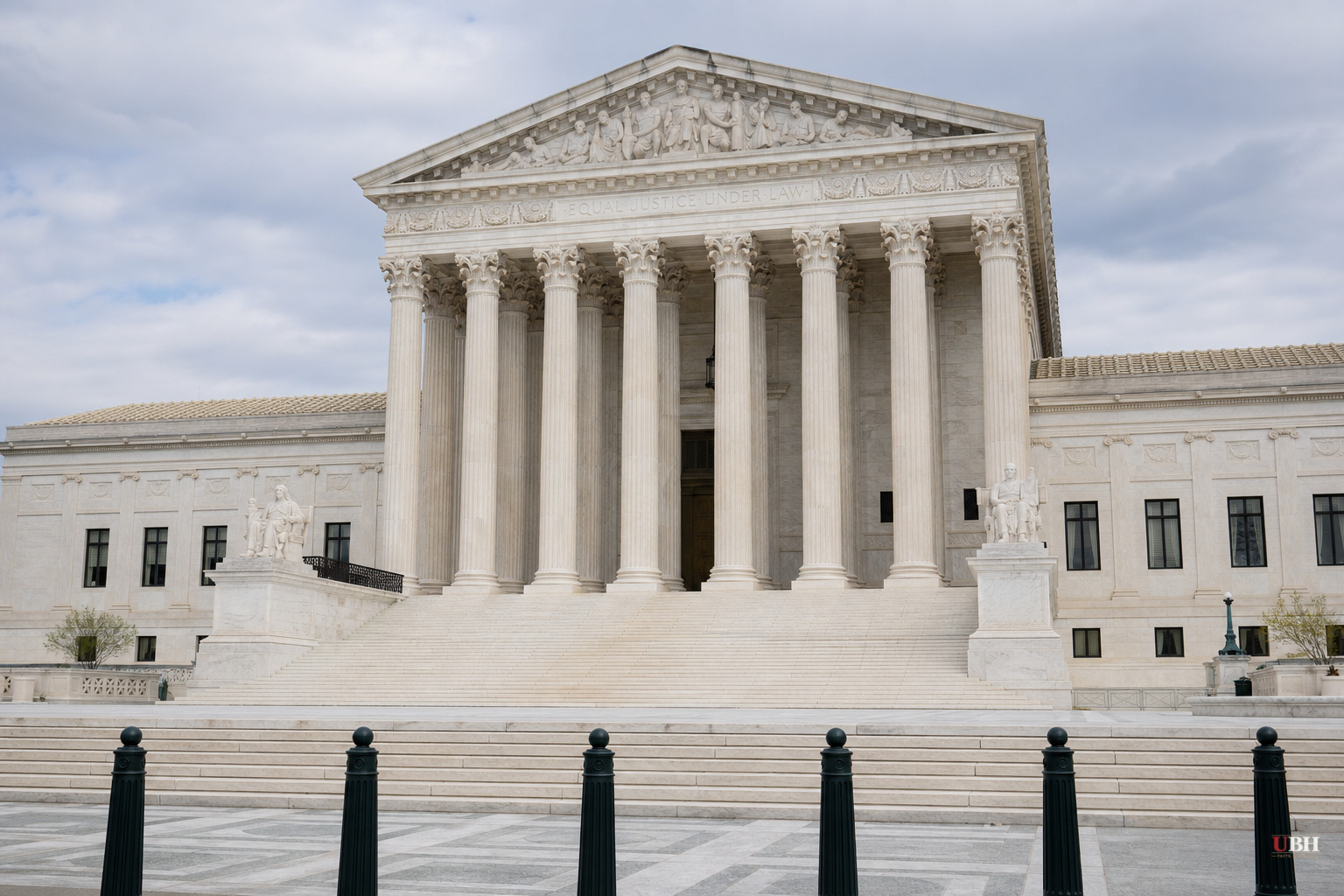
The Supreme Court has a leak problem, and two of its sitting justices just admitted it to Congress in plain terms.
Justice Elena Kagan told the House Judiciary Committee that leaks damage the Court's ability to function. "We can't engage in confidential communication, which is the best way to operate," Kagan said, adding that when justices worry their private views will "appear on the front page of the newspaper," they stop having the kind of open conversations the Court depends on.
Kagan repeated the point to the Senate, saying leaks "dramatically change the way we do business internally." She said trust among the nine justices and their staffs is the foundation for honest deliberation, and that foundation is "frustrated" every time confidential information ends up in print. Kagan called it a problem that has bothered "every single one of the justices."
Justice Amy Coney Barrett went further, describing concrete steps the Court has taken. She told lawmakers the Court has "instituted protocols to keep better track of who has access to documents, who has touched documents, when printed." Employees have long been required to sign confidentiality agreements, Barrett said, but the Court recently began requiring staff to sign nondisclosure agreements as well, with carveouts for whistleblowers that go beyond what federal law requires.
Barrett framed the NDAs as an added deterrent, saying the goal is to drive home "the need for confidentiality" so employees think twice before sharing information "inappropriately and often illegally."
A Decade of Leaks
This isn't a new problem. According to legal commentary tracking the issue over the past decade, CNN's Joan Biskupic had an extended run of inside sourcing at the Court, including detail she attributed to conversations Barrett herself later described in her books as private. That access reportedly dried up after Justice Ruth Bader Ginsburg's death in 2020.
The most consequential leak came in May 2022, when Politico's Josh Gerstein published a draft majority opinion in Dobbs v. Jackson Women's Health Organization months before the ruling was formally issued, revealing the Court intended to overturn Roe v. Wade. The Court launched an internal investigation but never publicly identified the source. Gerstein has not published additional inside Court information since.
More recently, Jodi Kantor of the New York Times has published a steady stream of internal Court reporting, according to court-watchers tracking the pattern.
The Institutional Stakes
Kagan's and Barrett's testimony makes clear the justices see this as more than an embarrassment. They argue confidentiality is structurally necessary. If law clerks or staff believe deliberations will leak, justices stop speaking candidly to each other, which undermines the deliberative process the Court relies on to reach decisions.
A Supreme Court where justices can't privately debate, test arguments, or change their minds without fear of exposure is a Supreme Court making worse decisions under worse conditions. The Dobbs leak in particular didn't just embarrass the institution. It arguably applied external pressure on justices in the middle of deliberating one of the most consequential rulings in decades.
At the same time, there's a fair counterpoint. Transparency advocates and some legal commentators argue the Court is one of the least accountable branches of government, with lifetime appointments, no cameras in the courtroom, and minimal public disclosure of its internal workings. Leaks, however disruptive, are sometimes the only way the public learns anything about how the Court actually operates before a final ruling drops. Reasonable people can support strong confidentiality norms for deliberation while also thinking the Court should be more transparent by design, not just less leaky by enforcement.
Barrett's disclosure that whistleblower carveouts exist in the new NDAs, and go beyond federal statutory protections, suggests the Court is trying to thread that needle. It wants to shut down leaks driven by politics or personal grievance while preserving some channel for reporting actual misconduct.
The Supreme Court has never publicly confirmed whether law clerks specifically are required to sign these NDAs, nor has it disclosed how many leak investigations have been opened or their outcomes since Dobbs. No individual has been publicly named or charged in connection with that leak. Congress has not indicated it plans further hearings specifically on Court leak enforcement, leaving the NDA policy as the Court's primary public response for now.
Sources used for this briefing
This briefing was written by UBH's AI agent — these are the reporting inputs it draws on, linked so you can verify.


