
Unbiased headlines. Facts, not spin.
Unbiased Headlines is an independently owned news organization. We bring you the facts, not opinions, written fresh from 110+ named sources. Sources linked so you can verify it yourself.
 politics
Major Story (7/10)
Judge Orders Partial Release of Ilhan Omar Search Warrant Records, Keeps Affidavit Sealed
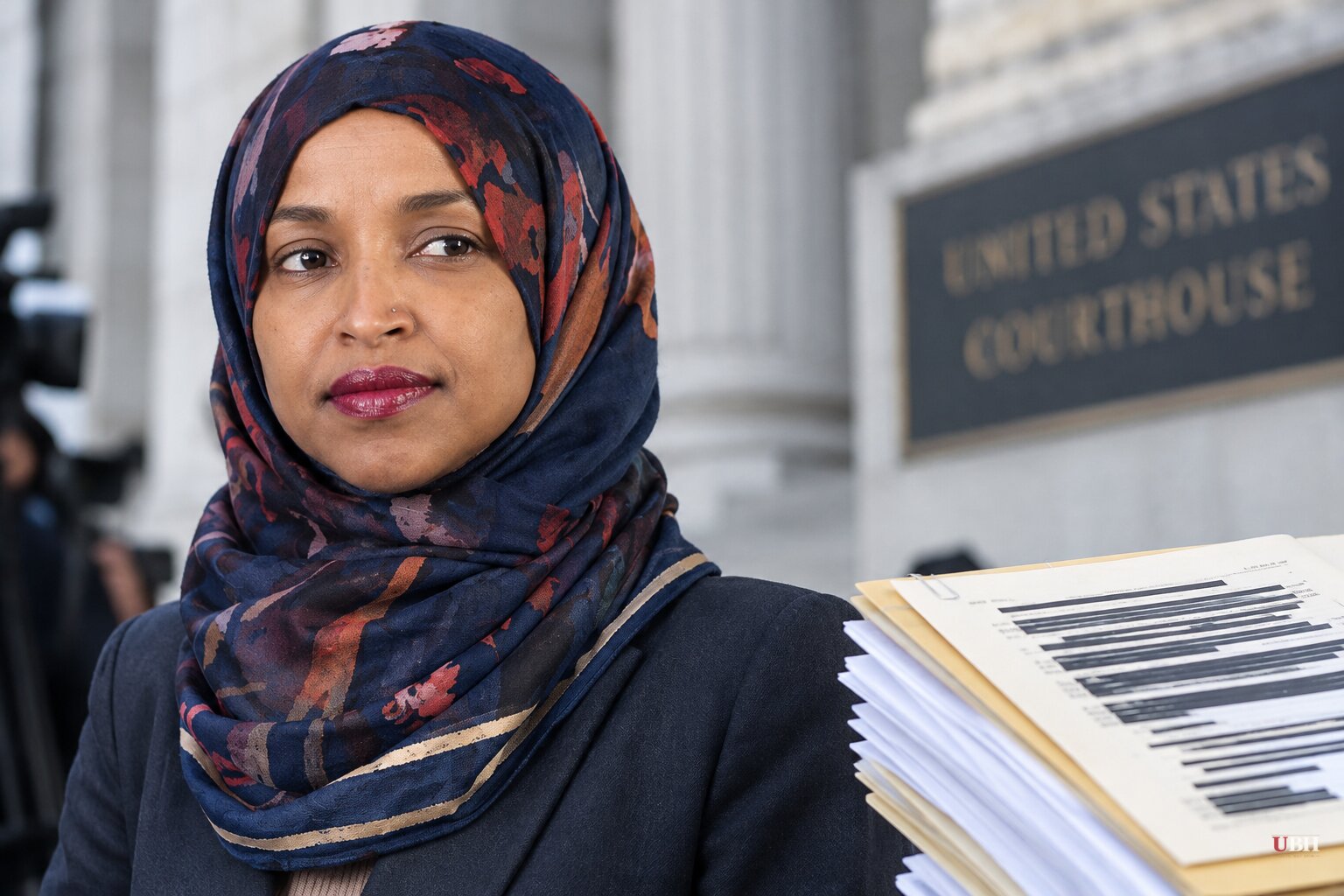
A federal judge ruled Tuesday, Nov. 17, that part of the court record behind the federal search of Rep. Ilhan Omar's Washington home will become public. The core of it will stay locked up for now.
Chief Judge James E. Boasberg of the U.S. District Court for the District of Columbia sided with the Justice Department on the most sensitive piece. "I agree that the vast majority of the warrant affidavit should remain sealed," he said at the hearing, calling it "premature" to release the whole document. The affidavit, a 67-page sworn statement of the facts given to a magistrate to establish probable cause, stays sealed.
But he did not side with DOJ across the board.
What gets released, and when
Boasberg ordered prosecutors to submit proposed redactions to the remaining search warrant records, including the docket sheet, by Friday, Nov. 20. Anything not flagged for redaction by then gets released.
The court plans to publish the redacted versions no earlier than 5 p.m. Monday, Nov. 23, unless the order is stayed. Media organizations then have until Nov. 30 to respond to the proposed redactions. Boasberg said he would not publish redacted materials without first speaking with the government.
He was specific about one category. "All of the legal debate about speech and debate, I don't believe that should be redacted," he said. That is the back-and-forth between attorneys and Magistrate Judge Matthew Sharbaugh over protections for Omar as a sitting member of Congress. Sharbaugh, who authorized the search, set protocols to protect her rights under the Constitution's speech and debate clause. Those protocols have never been public.
The judge pressed DOJ
Boasberg questioned Alessandra Serano, a Justice Department attorney in the office of the deputy attorney general, on why more of the docket could not be released now. He said he had gone through the filings and found "very few that say anything about investigative facts or identify witnesses."
Serano acknowledged that some material about the speech and debate discussion could be unsealed. She also said the department is still reviewing items taken from Omar's home.
In a Nov. 12 order, Boasberg had told DOJ lawyers to be ready to explain "why materials beyond the affidavit itself cannot be unsealed."
The government's position
The Justice Department opposes immediate release. It argues that publicizing the records could compromise an active criminal investigation. U.S. Attorney Jeanine Pirro wrote in a filing that the media request "sounds rash because it is rash."
DOJ's Oct. 27 filing also said it does not necessarily oppose releasing some records, with redactions, once the warrant has been fully executed and a charging decision is public. At Tuesday's hearing, the department sought to keep the nature of any potential charges sealed.
The dispute is over timing. Warrant materials are not normally unsealed before charges are filed. A coalition of news organizations, including The Washington Post, NBC News, ABC News, CNN and USA Today, argues the public interest in a search of a sitting congresswoman's home justifies earlier disclosure. They have said sensitive details can be handled by redaction. Judicial Watch separately sued for the records. The plaintiffs have specifically asked that the public learn which statutes investigators think Omar may have broken.
What is known about the investigation
Homeland Security Investigations agents searched Omar's D.C. home on Oct. 12, weeks before the November election. She won a fifth term earlier this month. She has not been charged with a crime.
Reuters, citing a person familiar with the matter, reported that the sealed warrant lists conspiracy, false statements on immigration paperwork and immigration fraud as possible crimes under investigation. DOJ has not confirmed that. Reports have also described two separate probes: one on alleged discrepancies in her financial disclosures, another on whether her father misstated her age on citizenship paperwork filed in 2000.
Omar's phone was among the items seized. She has said about 25 agents searched for roughly four to five hours and took 17 items she called "bizarre," including several phones, her husband's notebooks, a camera and a Somali-language children's book. She has said she still does not understand why the search lasted so long when the warrant largely focused on electronic devices.
Omar has called the search "an attempt to target political enemies and weaponize federal law enforcement," and said President Trump has targeted her for 10 years with "baseless lies and smear campaigns." Her attorney has called the investigation politically motivated. She denies wrongdoing. She has also long denied claims that her former husband, Ahmed Nur Said Elmi, is her brother.
Public statements from the top
Boasberg noted at the hearing that Trump and Vice President JD Vance have both spoken publicly about the investigation, including the type of case involved. Vance said earlier this year he believed Omar had committed immigration fraud. Those statements are part of the context for how much of the case can remain sealed, though the judge did not say how they would affect his decision.
Boasberg has clashed with the Trump administration before. Trump called him a "Radical Left Lunatic" and demanded his removal after he temporarily blocked deportation flights in March 2025. On Tuesday's ruling, the judge gave DOJ the central thing it asked for, the affidavit, and ordered the less sensitive litigation record opened.
What comes next
DOJ's redaction proposals are due Friday, Nov. 20. Unless the department seeks and wins a stay, the redacted records are set to be published no earlier than 5 p.m. Monday, Nov. 23. If they include the statutes cited, it would be the first official public word from the court record on what crimes the government says it is investigating. The affidavit that lays out the actual evidence is not scheduled to come out, and DOJ has said it would not oppose releasing it at a later stage of the case.
Sources used for this briefing
8 links from 8 independent newsrooms (syndicated copies of the same report count once)
These are the sources it draws on, linked so you can verify.


