
Unbiased headlines. Facts, not spin.
Unbiased Headlines is an independently owned news organization. We bring you the facts, not opinions, written fresh from 110+ named sources. Sources linked so you can verify it yourself.
 politics
Major Story (7/10)
Judge Dismisses DOJ Suit for Harvard Admissions Records, Citing Skipped Procedural Steps
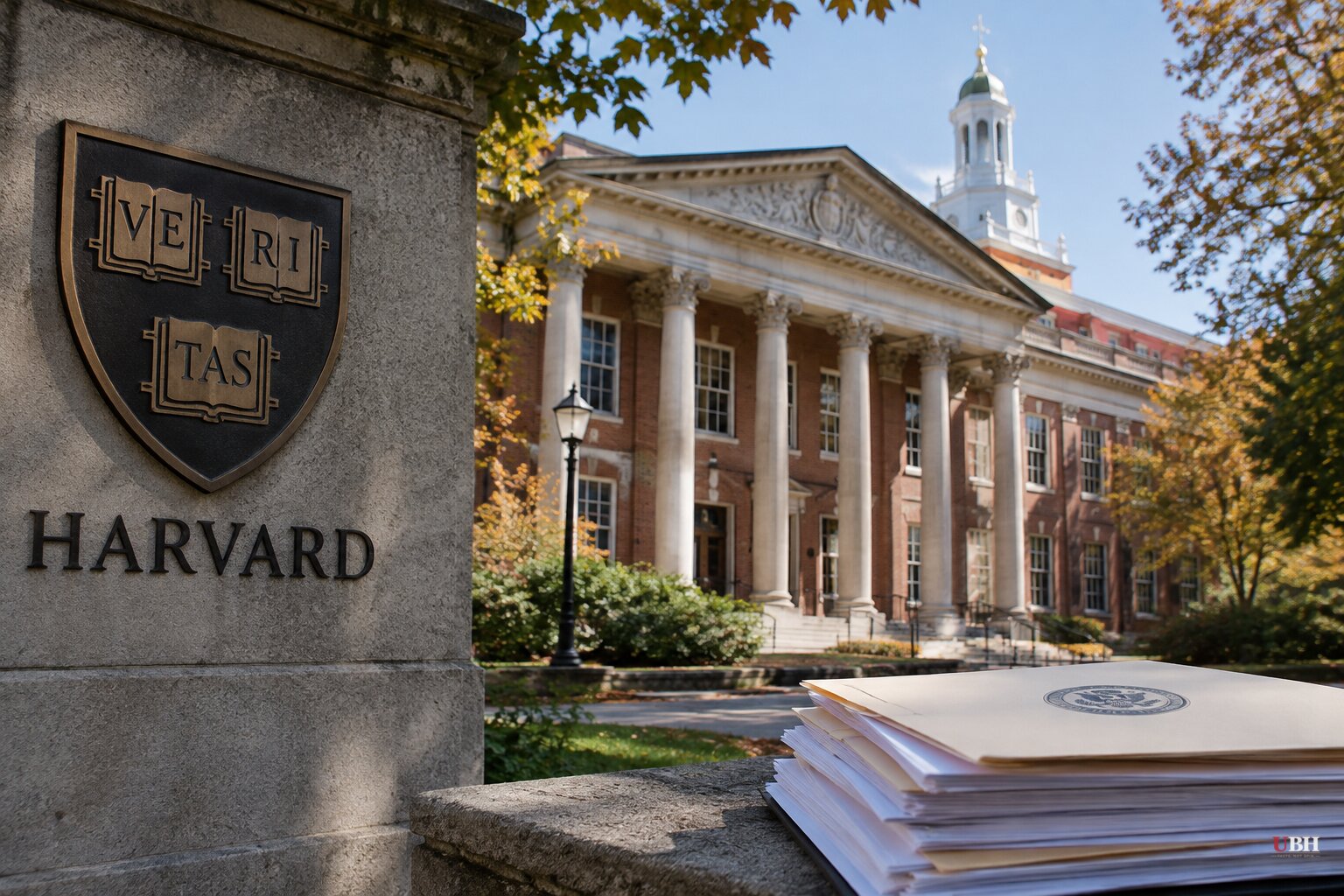
A federal judge on Monday, Nov. 2, threw out the Trump administration's lawsuit to force Harvard University to hand over applicant-level admissions records. The government lost on paperwork, not on the substance.
U.S. District Judge Myong Joun, a Biden appointee in Boston, wrote a 10-page opinion finding that the Justice Department did not show it completed the steps required to seek Harvard's voluntary compliance before going to court. He dismissed the case without prejudice, meaning the government can try again.
What the judge found
The Justice Department sued on Feb. 13. It said Harvard had slow-walked a federal civil rights review of whether the school still considers race after the Supreme Court's 2023 ruling ending race-conscious admissions. The review falls under Title VI of the Civil Rights Act of 1964.
Joun pointed to two gaps. The complaint did not allege that DOJ told Harvard it would sue if the school failed to comply. It also did not allege that DOJ identified the specific failure to Harvard.
"For example, the complaint does not allege that DOJ informed Harvard of the action it would take — namely, litigation — should Harvard fail to comply, nor does the complaint allege the specific failure identified," Joun wrote.
He also found the Education Department had not shown it followed its own procedures before folding its separate admissions probe into the DOJ case in May.
The judge acknowledged that federal officials had made repeated requests and had warned Harvard of possible enforcement. That was not enough. "A deadline and a threat to sue, standing alone, do not necessarily demonstrate compliance with the regulatory voluntary-compliance process where the agency seeks to enforce disputed demands for extensive information," he wrote.
At a September oral argument, Joun described the government's stance at one point as an "ultimatum."
What the ruling does not decide
Joun was explicit about the limits. "The ruling does not determine whether Harvard has discriminated, whether the agencies may lawfully seek appropriately defined applicant-level data or whether Harvard may ultimately be required to provide such data," he wrote.
He also left Harvard's retaliation claims untouched. And he left a path open: "The Government may be able to identify a qualifying determination or cure the procedural deficiency, but it has not supplied a sufficient basis for the judicial relief currently sought."
The records at issue are extensive. According to the government's requests, they include academic records, race and ethnicity data, essays and admissions decisions for thousands of high school students who applied.
Two competing accounts
Harvard says it has cooperated. Its lawyers say the university produced more than 2,000 pages of documents but withheld individualized applicant records, which it says are privileged. They also argued that DOJ abandoned negotiations too early in favor of litigation.
Harvard's lawyers went further. They said the suit was part of a retaliatory campaign for refusing the administration's demands to overhaul its governance, hiring and academic programs. They noted the lawsuit followed President Trump's announcement in early February that he was ending settlement talks and wanted $1 billion in damages from Harvard, which he said had "been, for a long time, behaving very badly."
The administration says the opposite. It maintains that DOJ and the Education Department need years of applicant-level data to find out whether race is still a factor. Then-Attorney General Pam Bondi said in February: "Harvard has failed to disclose the data we need to ensure that its admissions are free of discrimination."
Education Department spokesperson Ellen Keast responded to the ruling by pointing to what she called Harvard's "well-documented" history of discrimination. "When the government asked for admissions data to determine whether Harvard has changed its ways, the school refused and a Democrat-appointed judge is now shielding Harvard from accountability," Keast said. "Students should be judged on their merit and accomplishments, not the color of their skin."
The judge's opinion rested on procedure, not on the identity of the appointing president. The Justice Department and Harvard did not immediately respond to requests for comment.
A pattern of losses for the administration
This is not Harvard's first win over the administration. Other judges have rejected efforts to terminate more than $2 billion in grants, to block the school from hosting international students, and to sue it for allegedly failing to protect Jewish and Israeli students from harassment.
That record makes a point that applies to any administration: a case the government wants to win can still fail if the filing skips required steps. Enforcing the Supreme Court's 2023 ruling requires following the regulations that govern the investigation, and the court found the government did not show it had.
What the data shows so far
Less than a week before the ruling, Harvard College released demographic data for its Class of 2030. The data showed the proportion of enrolled Black students fell for the third consecutive year. That figure shows what Harvard enrolled. It does not show how admissions decisions were made, which is the question the government says only applicant-level records can answer.
The records dispute also faces a separate legal hurdle. Harvard has cited privilege over individualized records, and the Crimson reported that legal experts have said the request could run into the Family Educational Rights and Privacy Act, which restricts access to educational records.
What happens next
The administration has not said whether it will refile. To do so, DOJ would need to cure the gaps Joun identified. That means showing it told Harvard what failure it was alleging and that litigation would follow. The Education Department would need to show it completed its own required steps.
If that happens, the court will still have to take up what Joun expressly set aside: whether the agencies can lawfully demand applicant-level data from Harvard, and whether the school can be required to hand it over.
Sources used for this briefing
8 links from 8 independent newsrooms (syndicated copies of the same report count once)
These are the sources it draws on, linked so you can verify.


