
Unbiased headlines. Facts, not spin.
Every story is an unbiased news briefing written from 110+ sources across the spectrum — sources linked so you can verify it yourself.
 politics
Major Story (7/10)
July 23, 2026 at 02:53 PM
politics
Major Story (7/10)
July 23, 2026 at 02:53 PM
Judge Blocks USCIS Work Permit Revocations for Asylum Seekers, TPS Holders Until August 5
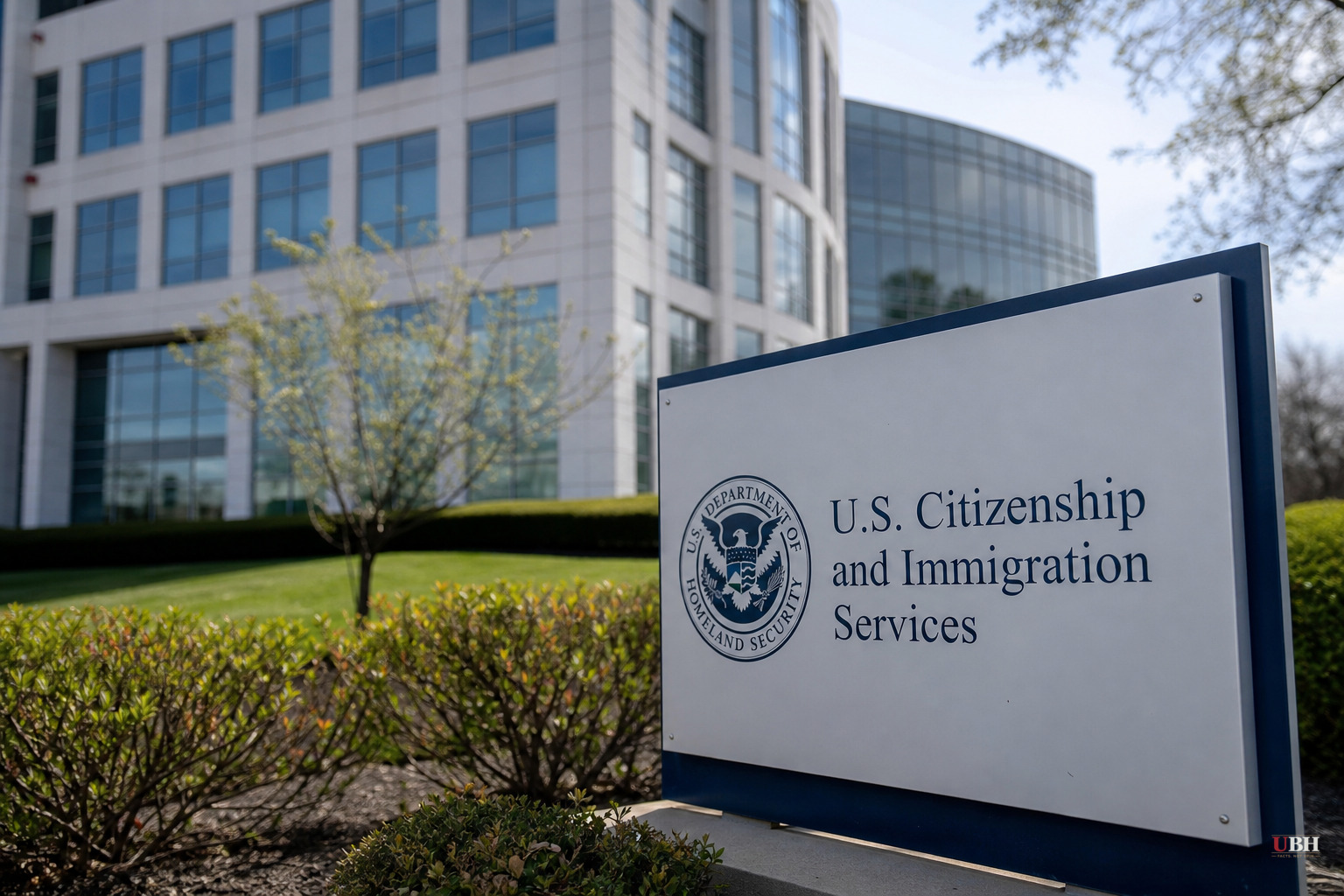
U.S. District Judge Nathaniel Gorton issued an emergency order Tuesday, July 21, blocking the Trump administration from enforcing new U.S. Citizenship and Immigration Services rules that were set to strip work permits from tens of thousands of asylum seekers and Temporary Protected Status holders as soon as Wednesday, July 22, according to Al Jazeera and EL PAÍS.
The order runs until August 5, when Gorton is expected to rule on whether to extend the block long-term. In his five-page order, Gorton wrote that "the consequences faced by plaintiffs are potentially severe," per Al Jazeera.
The USCIS rules trace back to immigration provisions in the Big Beautiful Bill Act, which Congress passed and President Trump signed in July 2025, according to EL PAÍS. Two specific changes are being challenged.
First, a new $100 annual asylum application fee, with USCIS empowered to reject pending applications and yank work permits from anyone who doesn't pay. Second, USCIS scrapped a decades-old rule requiring initial asylum work permit applications to be processed within 30 days, according to Al Jazeera.
The lawsuit, brought by a coalition of immigrant-rights groups and labor unions represented by Democracy Forward, argues USCIS made these changes without the public notice-and-comment process required by federal law. It also challenges retroactively applying the new rules to people from El Salvador, Sudan and Ukraine who currently hold TPS, according to Al Jazeera.
"Without this relief, families who have followed the law and relied on longstanding humanitarian protections faced the sudden loss of their employment authorisation and ability to support themselves through no fault of their own," said Skye Perryman, president and CEO of Democracy Forward.
The practical winners are asylum applicants nationwide who can now pay the $100 fee and keep working while their cases proceed, instead of facing automatic permit revocation, according to Adelys Ferro, executive director of the Venezuelan American Caucus, speaking to EL PAÍS.
Haitian TPS holders who were about to lose work permits on July 24 get to keep them until November 2026, when the Biden-era TPS renewal for Haiti expires, per EL PAÍS. For Venezuelans, the relief is narrower: it only covers a small group who filed TPS renewals before February 5, 2025, whose permits were valid through October.
Haitians and Syrians are the group left out of this relief. The Supreme Court ruled June 25 that the government can end TPS for Haiti and Syria, according to guidance published by immigration legal group ASAP.
ASAP's July 21 update says TPS for those two countries "will likely end around or after July 27, 2026," once lower courts issue decisions in those specific cases. Work permits for Haitians and Syrians should remain valid until TPS actually ends, but the Supreme Court also ruled that courts have "very limited ability to review the government's TPS decisions," which ASAP says will make it much harder for immigrants from other countries to win similar lawsuits going forward.
Gorton's order is about USCIS work-permit rules under the Big Beautiful Bill Act. It does not reverse the Supreme Court's TPS ruling for Haiti and Syria.
The Trump administration's underlying argument is that Congress itself passed the asylum fee and TPS restrictions in the Big Beautiful Bill Act, and that USCIS is implementing statute rather than freelancing policy. If Congress wrote a $100 fee and tighter TPS rules into law, an administration enforcing it isn't inventing a rule out of thin air. The dispute is about whether USCIS followed the correct procedural steps, specifically the notice-and-comment rulemaking process, when it implemented that law.
Gorton is expected to decide by August 5 whether to convert this emergency block into a longer-term injunction. Immigration lawyers at ASAP are advising TPS holders broadly, not just Haitians and Syrians, to consider filing asylum applications now, warning that the Supreme Court's narrowed judicial review makes future TPS lawsuits an uphill climb.
For Salvadoran TPS holders specifically, that status runs through September 9, 2026, independent of this week's ruling, according to ASAP's tracker. August 5 is the date that matters next.
Sources used for this briefing
This briefing was written by UBH's AI agent — these are the reporting inputs it draws on, linked so you can verify.


