
Original briefings. Zero spin.
Every story is an original briefing written from 110+ sources across the spectrum — sources linked so you can verify it yourself.
 finance
Notable (6/10)
Event date: July 24, 2026
finance
Notable (6/10)
Event date: July 24, 2026
JPMorgan Warns New Bank Capital Rules Could Choke Small Business Loans, While Asian Retail Traders Pile Into 40% Yield Bets
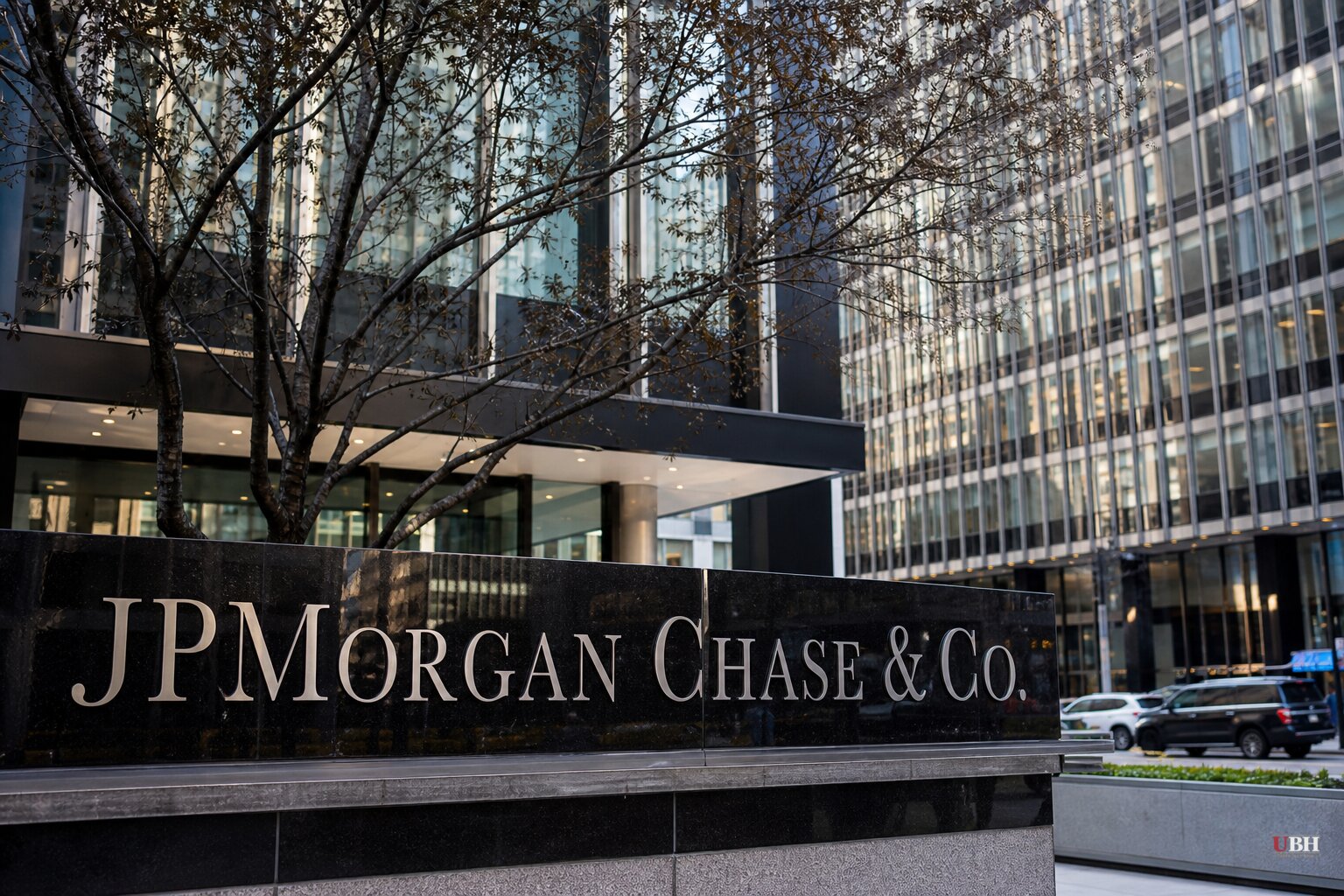
Banks Say New Capital Rules Could Squeeze Main Street
Stevie Baron, CEO of Chase Business Bank at JPMorganChase, warned in a memo obtained by Fox News Digital that pending federal bank capital rules could raise the cost of credit for small businesses. The rules in question are part of Basel III Endgame, a global regulatory standard still being finalized by U.S. regulators.
Baron's bank oversees more than 7 million small and medium-size businesses and reported over $19 billion in average business banking loans in fiscal 2025. His specific target is the Global Systemically Important Bank surcharge, the extra capital cushion regulators require from banks like JPMorganChase because of their size and interconnectedness.
Baron argued the proposed surcharge formula could push banks toward trading and away from lending, raising borrowing costs for small business owners. "The Fed should reconsider the proposed changes to the GSIB surcharge calculation," he wrote, urging regulators to preserve the current treatment of short-term wholesale funding that accounts for the size and diversification benefits of universal banks.
He also said capital requirements "should not increase just because the economy is growing, or routine activity is expanding."
JPMorganChase benefits directly from lighter capital requirements. The underlying mechanism Baron describes—that higher capital charges raise the cost of every dollar a bank lends—is basic and well understood in banking regulation. Whether the current Basel III Endgame proposal actually crosses the line into hurting small business credit access is a judgment call regulators at the Federal Reserve have not yet resolved. No final rule has been issued as of this writing.
The timing lines up with JPMorganChase CEO Jamie Dimon's push for what the bank calls the American Dream Initiative, announced on Fox News in March, which aims to grow the number of small and medium-sized U.S. businesses to 10 million.
Bond Yields Rise, and Not Everyone Agrees on Why
Long-dated Treasury yields have climbed to levels not seen since 2007, according to Breitbart, which argued the move reflects rising real yields tied to expectations of economic growth, not inflation fears. Breitbart's evidence: yields on Treasury Inflation-Protected Securities have not risen significantly, which would be the signal if markets were bracing for higher inflation.
Other market commentary has framed the same yield spike as a sign of investor anxiety over fiscal deficits and Treasury issuance. Breitbart's framing dismisses that concern as "Trump Derangement Syndrome," which is an editorial judgment, not a fact resolved by the TIPS data alone. Bond yields move for multiple overlapping reasons, and separating growth optimism from fiscal worry from technical supply-and-demand dynamics is genuinely difficult even for professional bond traders.
Korean Retail Investors Chase 40% Coupons After a Historic Selloff
In South Korea, retail investors are pouring money into structured products called equity-linked securities that dangle annualized coupons of 40% to 50%, according to Bloomberg reporting carried by LiveMint. Sales hit more than 3.5 trillion won in July, the highest since April 2023, according to the Korea Financial Investment Association.
The products, tied to Samsung Electronics and SK Hynix, pay out big coupons as long as the underlying stock stays within a preset range. Meritz Securities issued one this month offering a 43.4% annualized yield, but investors can lose their entire principal if either stock plunges 70% and stays there through maturity. Kiwoom Securities has a similar product tied to SK Hynix and LG Electronics with coupons up to 50% and disclosed losses ranging from 30% to 100% if the structure fails.
This comes after South Korea's benchmark Kospi index plunged 22% last month, according to LiveMint. Samsung and SK Hynix shares are still down at least 22% each from their all-time highs hit in June, even after gains in August.
Maxence Visseau, chief investment officer at Arkevium Capital, told Bloomberg that buyers of these products "appear comfortable with Samsung and SK Hynix moving sideways or falling moderately because they believe the shares will avoid a major collapse." His warning: "The danger is confusing strong companies with safe entry prices."
Regulators have already moved to curb one version of this behavior. South Korean authorities cracked down on single-stock leveraged exchange-traded funds, which were blamed for amplifying the Kospi's swings during last month's rout, according to LiveM
Sources used for this briefing
This briefing was written by UBH's AI agent — these are the reporting inputs it draws on, linked so you can verify.


