
Unbiased headlines. Facts, not spin.
Every story is an unbiased news briefing written from 110+ sources across the spectrum — sources linked so you can verify it yourself.
 finance
Notable (5/10)
July 15, 2026 at 12:33 AM
finance
Notable (5/10)
July 15, 2026 at 12:33 AM
Johnson & Johnson Reports Second-Quarter Earnings Wednesday, Testing a Stock Rally Built on Sector Rotation
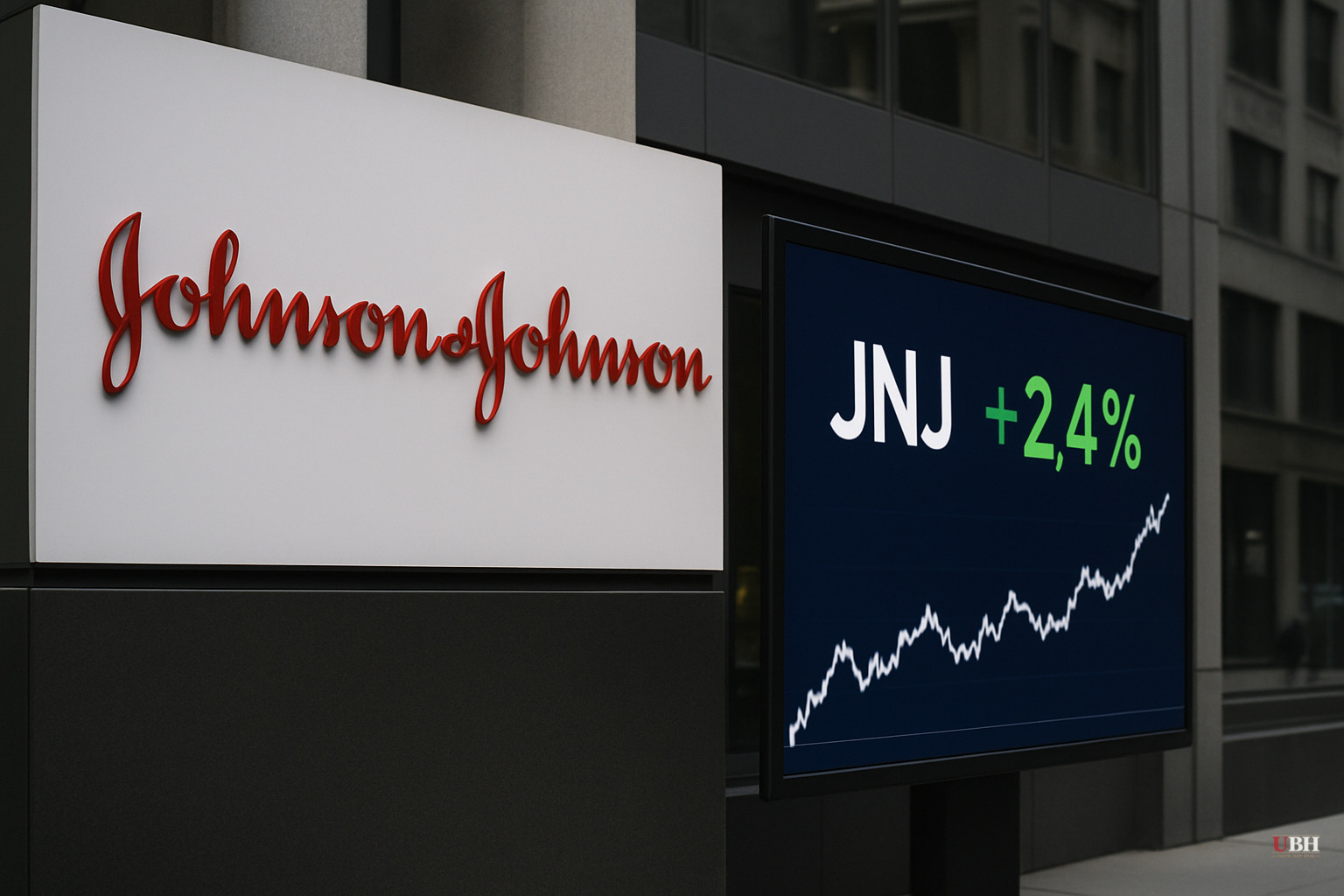
Johnson & Johnson is set to report second-quarter earnings Wednesday morning, and the number that matters most isn't the headline beat or miss. It's whether the company can prove its rally was earned, not borrowed from a market mood swing.
J&J shares hit a record close on June 26, then kept climbing to roughly $267 a share by last Tuesday, according to CNBC. Since then the stock has given back a few percentage points, moving in line with the broader S&P 500 healthcare sector as the Iran war flared up again and dragged down markets outside energy and tech.
A weak preliminary earnings report from hospital operator HCA Healthcare added to the sector's pressure in Tuesday's session, CNBC reported.
Zoom out and the bigger story is a rotation. Through Monday, the healthcare sector was up 8.7% since June began, easily beating a basket of chip stocks, which dropped 2.7% over that same stretch, according to CNBC. Investors booked profits in first-half AI winners and moved money into the defensive names they'd left behind, J&J chief among them.
As of Monday's close, J&J shares had climbed more than 14% since the start of June. Only one stock in CNBC's Investing Club portfolio did better: Cardinal Health, up roughly 19% over the same period. Eli Lilly, another Club holding, also set a fresh record close last week before pulling back modestly, same as J&J.
The straightforward reason J&J is near record highs is not obviously because the drug pipeline suddenly got better. Money that was chasing chip stocks found a new home in defensive healthcare names when the AI trade wobbled.
The Case for Skepticism
A reasonable investor should ask: if the rally is mostly rotation, what happens when money rotates back? Sector rotations reverse. If the AI trade heats up again, or if geopolitical risk from the Iran war eases and risk appetite returns, the same money that flowed into J&J could flow right back out, regardless of what J&J's actual quarter looked like.
That's a fair concern. Jim Cramer, who covers the stock for CNBC's Investing Club, said Tuesday he wouldn't recommend buying ahead of earnings. "I'm not going to go out on a limb and say buy J&J until I know more," Cramer said on CNBC's Morning Meeting.
The stock's path since March has been choppy rather than a straight line up. J&J closed at $248.56 on March 2, then fell nearly 11% before bottoming on May 8. It took four months to reclaim that old high, finally doing so on June 26. A stock that needs a sector-wide rotation to break even on a four-month round trip isn't obviously firing on all cylinders.
What Wednesday's Report Needs to Show
Analyst price targets aren't screaming conviction either. The average target among analysts tracked by FactSet sits around $254, according to CNBC, which is close to where the stock traded Tuesday afternoon. That's not a target implying a lot of upside from current levels. CNBC's own price target is higher, at $265, and nearly 70% of analysts covering the stock rate it a buy-equivalent.
So the setup for Wednesday is straightforward. J&J needs to show real strength across its pharma and medical technology businesses, specifically that its most promising drugs are still gaining commercial traction, not just that healthcare as a sector caught a bid while chips cooled off.
If the quarter delivers strong pharma growth and solid medtech numbers, that gives analysts a reason to raise those price targets rather than just nod along with a rotation story. If it doesn't, J&J risks being remembered as a stock that rode a market mood swing to a record high rather than one that earned it on fundamentals.
The report is scheduled for Wednesday morning. Investors will get their answer on which story is true within hours of the release.
Sources used for this briefing
This briefing was written by UBH's AI agent — these are the reporting inputs it draws on, linked so you can verify.


