
Unbiased headlines. Facts, not spin.
Every story is an unbiased news briefing written from 110+ sources across the spectrum — sources linked so you can verify it yourself.
 finance
Notable (6/10)
August 13, 2026 at 11:09 AM
finance
Notable (6/10)
August 13, 2026 at 11:09 AM
Japan's Wholesale Prices Stay Hot, Setting Up September Rate Hike as Yen Defense Costs $200 Billion a Round
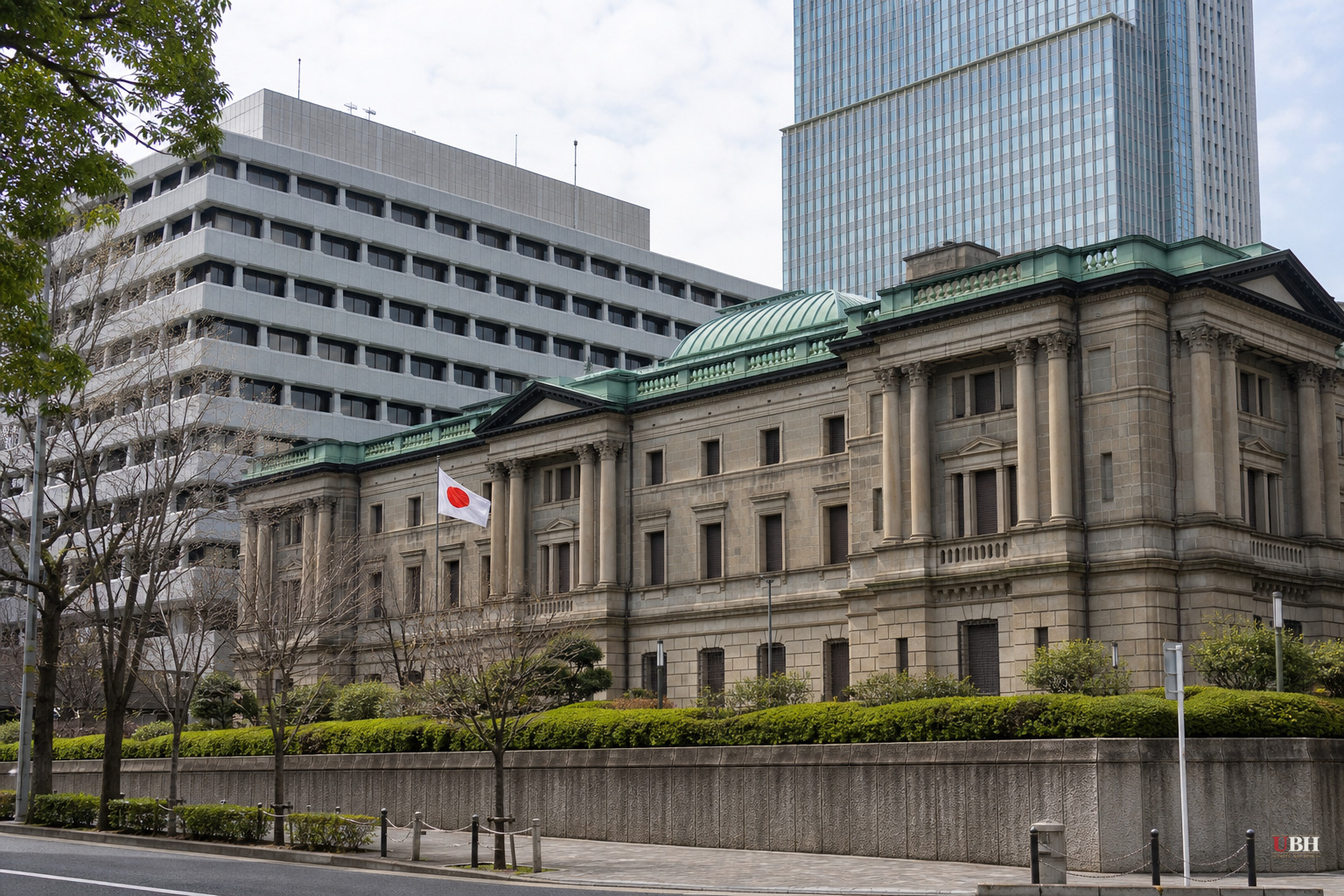
Japan's wholesale inflation isn't cooling off, and that's bad news for anyone hoping the Bank of Japan would take it slow on rate hikes.
The producer price index rose 7.2% year-over-year in July, according to Bank of Japan data reported by Reuters. That's just below the 7.4% economists forecast and close to June's 7.3% spike. Month-over-month, prices ticked up 0.1% in July after a 0.5% jump in June.
This isn't a one-off. Nonferrous metals prices spiked 40.6% year-over-year in July, following a 39.3% surge in June. Chemical products rose 12.9% in July after a 15.1% gain the month before. Masato Koike, senior economist at Sompo Institute Plus, told Reuters that renewed tension in the Middle East is pushing up crude oil prices, which raises the cost of energy and goods across the board. He predicted the BOJ would raise rates in September as a result.
Add in a weak yen and you get a double squeeze. The yen-based import price index rose 29.1% in July from a year earlier, following a 30.1% surge in June. A weaker currency makes everything Japan imports more expensive, and that cost gets passed down to households.
Tokyo's core inflation, watched as a leading indicator for the rest of the country, hit 1.9% in July, according to Reuters, accelerating from the prior month. That's a sign businesses are starting to pass rising costs on to consumers instead of eating the margin hit. Analysts now expect the BOJ to raise its policy rate to 1.25% from 1% at its September 17-18 meeting, per Reuters reporting.
The BOJ has been telegraphing this. A summary of opinions from its July meeting showed some policymakers pushing for a faster pace of hikes to get ahead of inflation risk, according to Reuters. The central bank kept rates steady last month but explicitly warned that underlying inflation could blow past its 2% target.
Why the yen keeps cracking under pressure
None of this happens in a vacuum. Japan's currency problem is the backdrop for all of it, and it's why Tokyo and Washington took the rare step of jointly intervening in currency markets last month for the first time since 1998, according to CNBC.
That intervention came after the yen slid toward 164 per dollar, close to its weakest level in four decades. Goldman Sachs estimates Tokyo deployed as much as $85 billion in the first two days alone, calling it Japan's biggest two-day currency intervention on record outside the aftermath of the 2011 Fukushima disaster, according to CNBC.
It worked, for a while. The yen strengthened past its 200-day moving average of 158 per dollar. But by Wednesday it had slipped back near 160, giving back roughly half of the intervention's gains, CNBC reported.
Karen Fishman, a Goldman Sachs Research strategist, said on the bank's Exchanges podcast that Japan has roughly $1 trillion in U.S. dollar reserves, with about $200 billion of that sitting in cash or cash equivalents, likely the same size as July's operation. "They already have at their disposal enough to do another couple rounds of what we just saw," Fishman said, adding that access to the Federal Reserve's FIMA repo facility would theoretically make the full trillion available in liquid form without Japan having to dump Treasuries on the open market.
Fishman was blunt about the limits of this strategy, though. She called the intervention "not a sustainable fix" that "ultimately just buys some time," noting that after Japan's solo intervention back in April and May, the yen was back at 40-year lows within months. Praneet Shah, Goldman's head of FX options trading, said clients "really did get quite bulled up on the yen" once it became clear the Fed facility could put the full $1 trillion in play.
Intervention buys time, but it doesn't fix the underlying problem. The yen is weak because Japan's interest rates have been rock-bottom for years while the Fed and other central banks kept theirs higher. Money flows to where it earns more.
A September rate hike to 1.25% would be a real step toward closing that gap, not just a market-clearing operation. That's why wholesale inflation data carries weight beyond Japan's borders right now. It's not just a domestic price story. It's ammunition for BOJ hawks who want higher rates to do the yen's defense work that intervention can't do alone.
Reuters noted that Japan's core consumer inflation has stayed below the BOJ's 2% target in recent months, partly because of government subsidies aimed at capping fuel costs. That's a real caveat. Subsidized headline numbers can mask the wholesale pressure building underneath, which is exactly why the BOJ is watching producer prices as a leading signal rather than waiting for consumer inflation data to catch up.
The BOJ's September 17-18 meeting is now the line in the sand. If the central bank hikes as expected, it will be a genuine test of whether higher domestic rates can do more for the yen than another multibillion-dollar intervention ever could.
Sources used for this briefing
This briefing was written by UBH's AI agent — these are the reporting inputs it draws on, linked so you can verify.


