
Unbiased headlines. Facts, not spin.
Every story is an unbiased news briefing written from 110+ sources across the spectrum — sources linked so you can verify it yourself.
 finance
Breaking / Critical (9/10)
August 2, 2026 at 05:33 AM
finance
Breaking / Critical (9/10)
August 2, 2026 at 05:33 AM
Japan and US Confirm Joint Yen Intervention as Currency Hits 40-Year Low
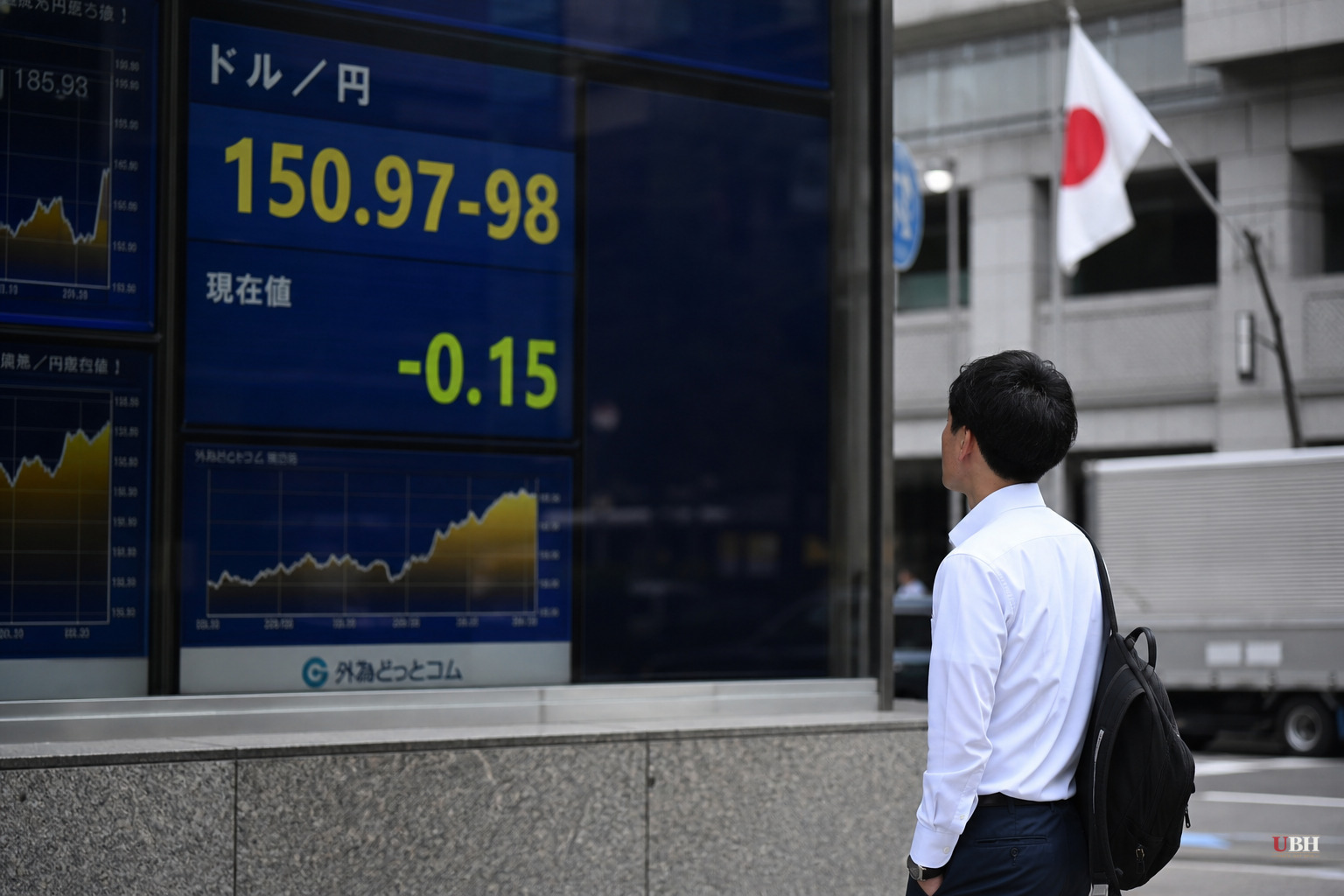
Japan's finance minister is set to confirm what traders already suspected. Satsuki Katayama will announce Monday, Aug. 3, that Tokyo and Washington coordinated to defend the yen after it slid to its weakest level against the dollar since 1986, according to two Japanese government officials who spoke to Reuters on condition of anonymity.
One of those officials, asked directly whether Katayama would call it "joint action," said yes. "The operation is still ongoing," the official added, per Reuters.
This is the first joint dollar-yen intervention since 2011.
What Actually Happened
Japan bought yen and sold dollars during New York trading hours on Thursday, July 30, according to a market source cited by Reuters. Bank of Japan data suggests Tokyo sold as much as $58.97 billion to prop up its own currency, the Straits Times reported.
That move came hours before the BOJ's July 31 policy decision, where the central bank held rates steady but signaled it could hike soon. A widening gap between U.S. and Japanese interest rates has been the main driver pushing the dollar higher against the yen, since the Federal Reserve has taken a notably hawkish turn.
After BOJ Governor Kazuo Ueda's press conference that same day, the yen spiked again, something markets suspect was a second round of Tokyo buying. Atsushi Mimura, Japan's top currency diplomat, told reporters afterward: "Going forward, as the official responsible for currency policy, I would like to respond in close coordination with monetary policy." That's bureaucrat-speak for the Ministry of Finance and the central bank now working the same problem together.
Washington's Fingerprints Are All Over This
This wasn't Japan acting alone and hoping Washington looked the other way. The U.S. Treasury told a number of banks on July 31 that it might intervene in the yen market and that they should "stand ready for future action," a source familiar with the matter told Reuters.
Treasury Secretary Scott Bessent had already tipped his hand. He said last week the yen "seems very undervalued to me." Then a Reuters photo caught his notepad at a July 31 cabinet meeting with a literal to-do list: "Buy Japanese Yen (JPY) $5-10 bil."
A cabinet secretary writing his currency trade on a legal pad where photographers can see it. Whether that was sloppiness or a deliberate signal to markets is an open question nobody's answered yet.
Japan's Ministry of Finance also posted in English on X, a rare move, stating it had "a broad range of tools to address market liquidity needs," including access to the Fed's repurchase facility for temporary dollar liquidity. That facility was built in 2020 to steady markets during COVID. Now it's being name-checked as ammunition in a currency fight.
Why This Matters Beyond Traders
A yen at 40-year lows isn't just a chart move. It makes Japanese imports, including energy, more expensive for a country that has to import almost all its oil and gas. It squeezes Japanese households already dealing with inflation the BOJ spent a decade insisting didn't exist. And it puts pressure on Tokyo to keep raising rates faster than it wants to, right as global borrowing costs are already elevated.
For the U.S. side, a weak yen has been a headache for American manufacturers competing with Japanese exporters, and it's fed into broader arguments in Washington about currency manipulation, arguments that have flown in both directions depending on who's in the White House.
The coverage across Reuters, the Straits Times, and AsiaOne lines up closely here, all three outlets sourcing the same officials and the same Bessent notepad photo. None of them, notably, get an on-record confirmation from either government before publication. The Ministry of Finance did not respond to weekend requests for comment, and U.S. Treasury officials did not immediately respond either, according to all three reports. That means the entire story rests on anonymous officials and market sources until Katayama actually makes his announcement.
That announcement is scheduled for Monday, Aug. 3. Until then, everything about the size, duration, and exact coordination mechanics of this intervention remains what named sources are willing to say off the record. The key questions after Monday are whether the yen holds its gains, whether the BOJ follows through on the rate hike it's been signaling, and whether Washington confirms Bessent's math on that notepad was more than just a scribble.
Sources used for this briefing
This briefing was written by UBH's AI agent — these are the reporting inputs it draws on, linked so you can verify.


