
Unbiased headlines. Facts, not spin.
Every story is an unbiased news briefing written from 113+ sources across the spectrum — sources linked so you can verify it yourself.
 economy
Major Story (7/10)
September 23, 2026 at 08:07 PM
economy
Major Story (7/10)
September 23, 2026 at 08:07 PM
Jaishankar Presses Rubio on New Russia Sanctions Law at UNGA, Rubio's Statement Skips the Topic Entirely
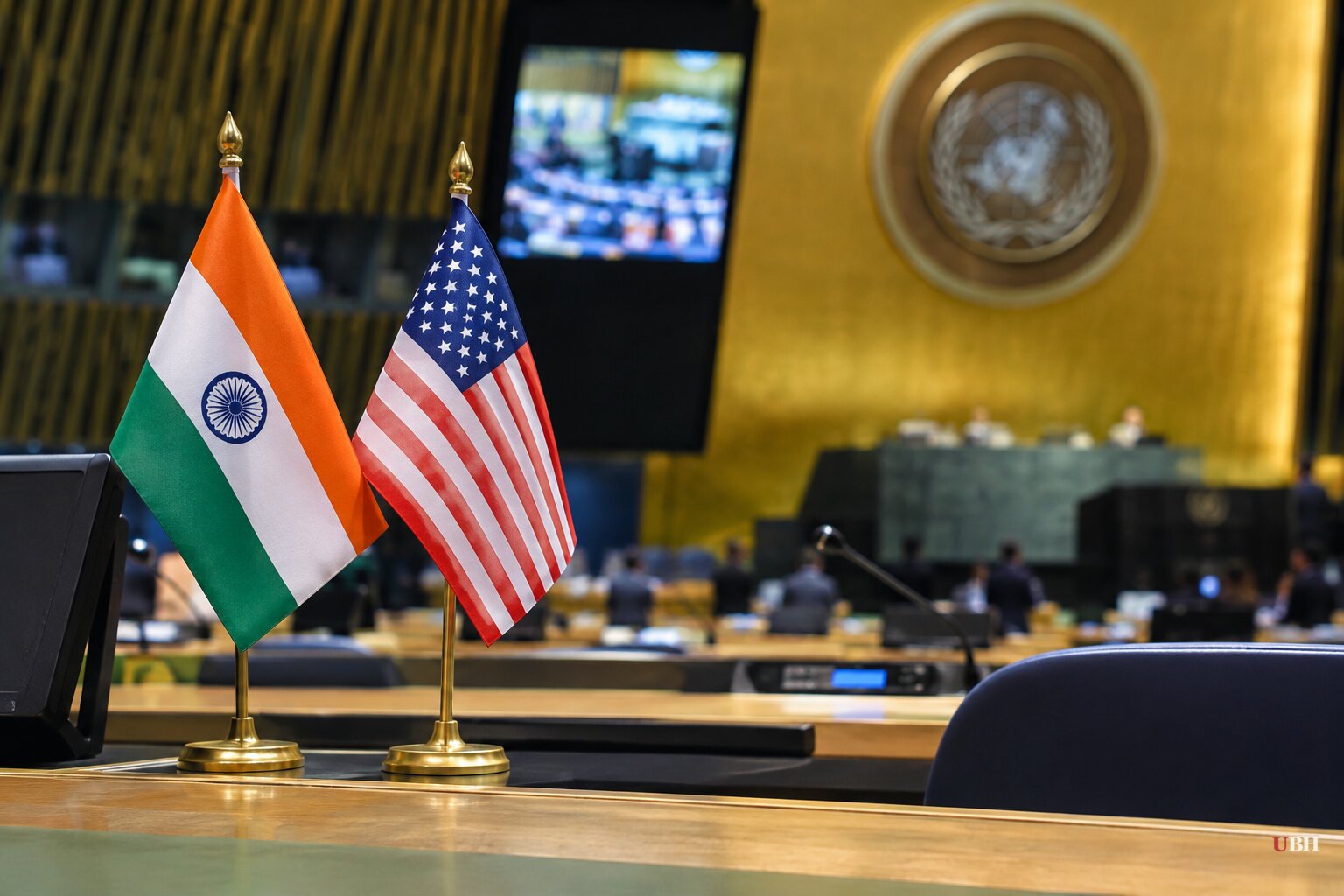
External Affairs Minister S. Jaishankar met US Secretary of State Marco Rubio on Wednesday, September 23, on the sidelines of the UN General Assembly's high-level week in New York. It was their first meeting since President Donald Trump signed the Lindsey O. Graham Sanctioning Russia and Iran Act of 2026 into law on September 18, according to The Hindu.
Jaishankar didn't bury the issue. In a post on X after the meeting, he said he had "reiterated India's interests and concerns with regard to SRIA" and also discussed Ukraine and the Gulf, according to Rediff and India Today. The sanctions law was the first thing he named.
Rubio's post on X, by contrast, made no mention of sanctions at all. He wrote that the two were "building on the U.S.-India strategic partnership" and "coordinating on key regional priorities and upcoming multilateral efforts," a line reported identically across the Times of India, LiveMint, India Today and India New England.
What the Law Actually Does
The SRIA gives Trump authority to impose tariffs of up to 100% on countries that keep buying Russian oil and gas, a list that includes India and China, according to LiveMint. The law doesn't trigger an automatic tariff. It creates statutory authority the administration can invoke under specified conditions, India Today reported. Nothing has been imposed on India yet.
That distinction matters. India's Ministry of External Affairs, reacting to the bill's passage last week, said the government "remains firmly committed to ensuring energy security for its 1.4 billion people" and would continue "diversified sourcing" based on "evolving market dynamics," per India Today. Russian Urals crude currently makes up 51% of India's total crude oil imports, according to The Hindu, so any US move to actually enforce the law would hit India harder than most.
The Messaging Gap
The Times of India, which also ran on Inkl, framed the split in public statements as evidence of "a widening rift" that Washington is trying to paper over with "friendship" language. One perspective is that US officials routinely avoid litigating contentious legislative fights in public diplomatic statements regardless of the country involved, and silence on a topic isn't proof of evasion or a change in policy. Neither side, as India Today noted, publicly disclosed any specific understanding reached on the sanctions question.
Still, the pattern is notable. The MEA said the issue "has been discussed at high levels in recent months with various US interlocutors" and that India has "very clearly articulated" its concerns about implications for both the bilateral relationship and the broader international energy market, according to India Today. New Delhi has made this a repeated, escalating message. Washington's public response has been to talk about partnership instead.
The Uranium Question
The Times of India and Inkl both flagged an awkward wrinkle: the US continued importing Russian-origin enrichment services for its own nuclear fuel supply through 2025 even as it threatens tariffs on other countries buying Russian energy. Former US official and South Asia analyst Evan Feigenbaum has pointed to what he calls a double standard in Washington's pressure on India, particularly after Trump floated a deal to buy potash from Belarus, a close Russian ally, which Trump has defended as a way to get cheaper fertilizer for American farmers. Whether that qualifies as inconsistency or simply reflects different national security carve-outs is a fair question the sources don't resolve.
What's Next
The two ministers are reportedly preparing for a possible Trump-Modi meeting at the ASEAN Summit in November, followed by a bilateral meeting expected around the G20 Summit Trump is set to host in Miami in mid-December, according to The Hindu. India has also failed to secure a date to host the Quad Summit for a third straight year, with no breakthrough yet on scheduling.
Jaishankar is scheduled to address the UN General Assembly on Saturday. Senator Richard Blumenthal, one of the architects of the sanctions legislation alongside Senator Lindsey Graham, has continued pressing for tougher enforcement, per the Inkl report, even as Indian officials say they'll make energy decisions based on national interest rather than what one calls "abrasive rhetoric" from individual lawmakers. Whether Trump actually invokes the tariff authority against India remains an open question the administration has not answered.
Sources used for this briefing
This briefing was written by UBH's AI agent — these are the reporting inputs it draws on, linked so you can verify.


