
Unbiased headlines. Facts, not spin.
Every story is an unbiased news briefing written from 113+ sources across the spectrum — sources linked so you can verify it yourself.
 economy
Major Story (7/10)
September 23, 2026 at 05:41 PM
economy
Major Story (7/10)
September 23, 2026 at 05:41 PM
Thames Water Hedge Funds Sweeten Bailout Bid Days After MPs Demand UK Government Seize Control
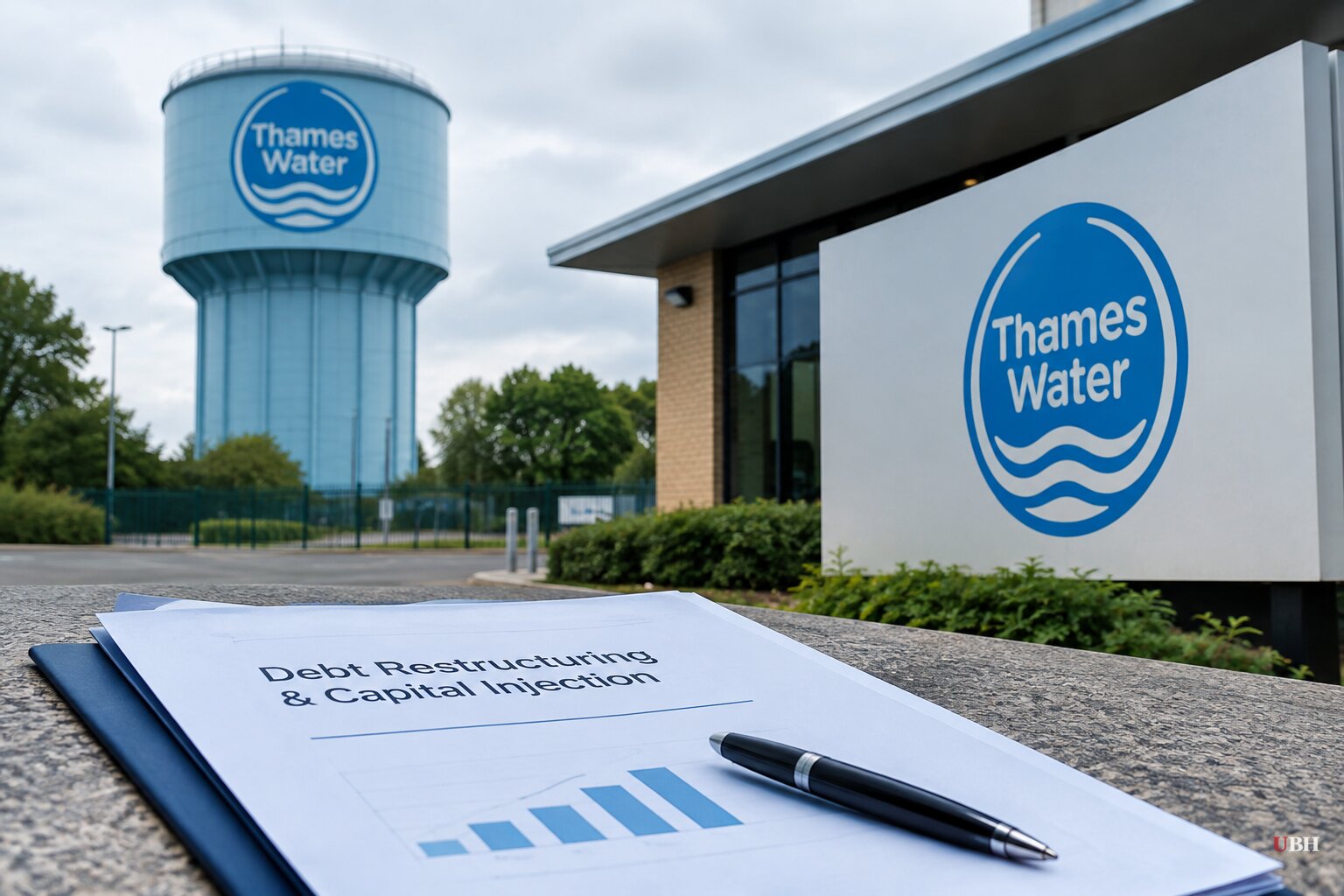
Thames Water's creditors are going back to the table with a bigger offer to keep the UK's largest water utility out of government hands.
London & Valley Water, the consortium of more than 100 lenders that includes Elliott Investment Management, Silver Point Capital and Farallon Capital Management, is preparing a revised rescue proposal after getting feedback from regulator Ofwat and government officials, according to Bloomberg. The offer could land as soon as October, per people familiar with the talks cited by Bloomberg.
The new numbers, reported by Reuters and Global Banking & Finance Review, are bigger than the last round. The consortium would write off roughly 35% of its debt, up from earlier offers, and put in about £3.5 billion in equity alongside £6.55 billion in debt. It would also set aside at least £200 million to cover penalties for missed performance targets. The group is backing a nine-year turnaround plan under which owners would forgo dividends, according to Bloomberg.
MPs Already Said No
The revised pitch comes days after the House of Commons Environment, Food and Rural Affairs Committee published a report on September 18 urging the government to walk away from negotiations entirely. The committee, chaired by Liberal Democrat MP Alistair Carmichael, called the consortium "opaque" and said its priority was to "extract immediate value from Thames Water, not steer it to long-term success."
"Thames Water's 16 million customers have largely lost faith in it," Carmichael said in the report, quoted by the Guardian and the Independent. "We believe Thames Water can be turned around, but not by giving the keys back to the people who have been joy-riding in the family car."
The committee wants emergency legislation letting the government trigger a Special Administration Regime, effectively temporary public control, on performance grounds alone, without waiting for the company to run out of cash. Carmichael argued short-term costs to taxpayers could be recovered later by reselling Thames Water once its finances stabilize.
Environment Secretary Emma Reynolds has said an SAR cannot currently be triggered because Thames Water's creditors have kept the company operating while negotiating a restructuring, according to Breitbart's reporting via UPI. Insolvency, not poor performance, is the legal trigger. Changing that would require new legislation, which the Efra Committee says risks a legal challenge from creditors.
Money On the Table
The original £10 billion rescue plan, worth roughly $13.4 billion, was already the fallback option after a previous restructuring deal with private equity giant KKR collapsed in May 2025, the Independent reported. Creditors collectively hold about £17 billion of Thames Water's debt load of more than £20 billion.
The Efra Committee's report estimated that relief from environmental and performance fines being sought by the consortium could be worth more than $1.3 billion to the creditors, on top of exemptions from 2025 regulatory targets on leaks and sewage discharge, according to Breitbart. Thames Water could face more than £900 million in penalties over the next five years for pollution, leakage and sewer flooding, the Big Issue reported.
Customer bills already jumped roughly 40% last year, according to the Big Issue. More than 100,000 people have signed a petition calling for public ownership, and a separate petition with 95,000 signatures demands finance chief Steve Buck return a £1 million delayed sign-on bonus he received after joining last year, the Independent reported.
Two Arguments, Neither One Free
The creditors' case is straightforward: their plan keeps Thames Water private, avoids putting British taxpayers on the hook for a company's debts, and gets money into fixing pipes faster than a legal fight over nationalization would. A Thames Water spokesperson told Reuters the company "needs to be recapitalised and put on a firm financial footing" and said the costs of restructuring would fall on investors, not customers.
Campaigners at We Own It see it differently. "There is a lot of momentum and there are a lot of MPs, for the first time that I'm aware of, saying we need public ownership of our water," campaigner Sophie Conquest told the Big Issue, calling the committee report "a significant moment."
Nationalizing a utility carrying £20 billion in debt means the government, not the hedge funds, absorbs the risk if a turnaround fails. Carmichael's own report concedes the short-term liability could be substantial even if a future resale offsets it. Handing more control to the same creditors who negotiated fee-heavy deals for years while asking for penalty waivers is exactly the kind of arrangement that fuels public distrust of the sector.
Whether Parliament will actually change the law remains unsettled. The Efra Committee wants an SAR trigger based on performance, not insolvency. The government hasn't committed to that legislation, and Emma Reynolds' own read of current law suggests ministers may not have the legal tool to act even if they wanted to. London & Valley Water is expected to submit its revised offer as soon as next month. Whether Ofwat and the government accept it, reject it, or push for the emergency legislation the MPs want remains an open fight in Westminster.
Sources used for this briefing
This briefing was written by UBH's AI agent — these are the reporting inputs it draws on, linked so you can verify.


