
Unbiased headlines. Facts, not spin.
Every story is an unbiased news briefing written from 110+ sources across the spectrum — sources linked so you can verify it yourself.
 finance
Notable (6/10)
August 3, 2026 at 02:36 AM
finance
Notable (6/10)
August 3, 2026 at 02:36 AM
Iron Ore Prices Hit 13-Month Low as China's Steel Demand Stays Weak
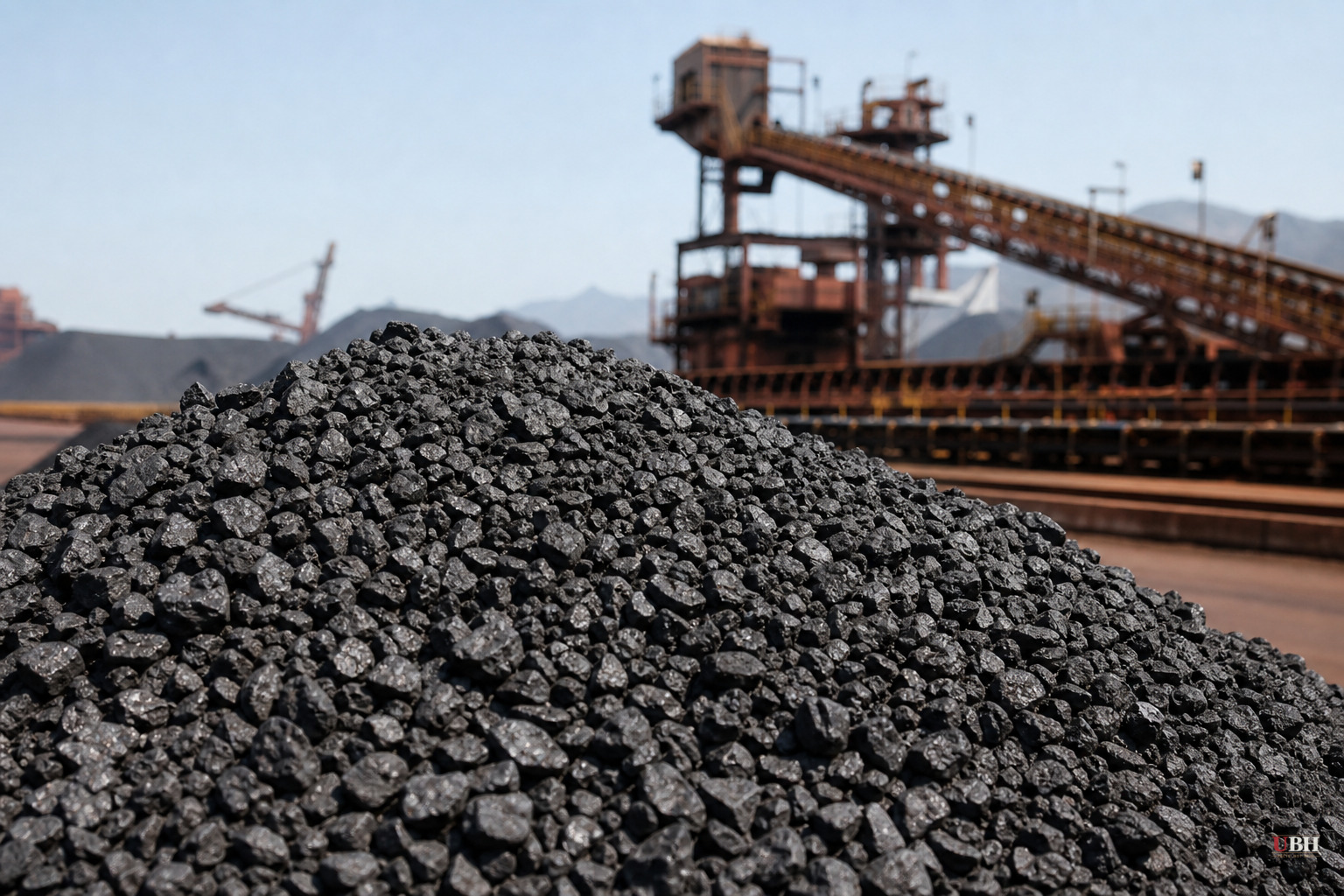
Iron ore just posted its worst stretch in over a year. Prices on China's Dalian Commodity Exchange fell for six straight sessions through Friday, dropping to their lowest level since June 2025, according to TradingView. The most-traded September contract fell 3.31% to 715 yuan (about $105.80) per ton on Thursday, according to a report from news outlet Mesteel, before easing further to 716 yuan ($106.14) on Friday, according to MINING.COM.
The cause is simple: too much iron ore, not enough steel demand.
Port inventories in China are rising and arrivals from major exporters are increasing, according to the Mesteel report, while Chinese steel output slides during what the report describes as the traditional summer off-season, when construction and manufacturing activity typically slow down. Domestic steel inventories kept climbing even as export offers eased, the report said, meaning Chinese mills can't easily sell excess product overseas either.
For the mills themselves, losses have widened. Industry data cited by TradingView showed average losses at steel mills in Tangshan, a major Chinese steel-producing city, have widened beyond 100 yuan per ton, and that the sector is expected to remain under pressure next month. When steelmakers are losing money on every ton they produce, they have every incentive to cut output further, which drags iron ore demand down even more.
Related products got hit too. Shanghai Futures Exchange rebar futures fell 1.73% to 3,014 yuan per ton and hot-rolled coil (HRC) futures dropped 1.46% to 3,240 yuan per ton on Thursday, according to the Mesteel report. Coking coal and coke, both key steelmaking inputs, also declined. Stainless steel futures bucked the trend, edging 0.31% higher to 14,560 yuan per ton, suggesting the pain is concentrated in construction-grade steel rather than the whole sector.
Vale says don't panic
Brazilian mining giant Vale, one of the world's largest iron ore producers, pushed back on the gloom. Rogerio Nogueira, Vale's executive vice president for commercial and development, told a call with analysts, reported by MINING.COM, that "the situation in China is more balanced than domestic indicators suggest." He also said demand outside China is improving.
Vale has an obvious interest in talking up the market since it sells the stuff, but the company also said that if prices keep falling, a significant portion of less competitive global miners would exit the market. Vale produces high-grade ore at low cost, so a prolonged price slump would hurt smaller, higher-cost producers far more than it hurts Vale. A shakeout among weaker miners could eventually tighten supply and support prices, which is the scenario Vale seems to be betting on.
But that's a medium-term argument, not a rebuttal of what's happening right now. The near-term data — mounting port inventories, six straight down sessions, and steel mills losing over 100 yuan per ton — all point the other direction.
No stimulus rescue in sight
Investors are also watching Beijing, where policymakers are widely expected to refrain from introducing major new stimulus measures at the Politburo meeting and instead focus on implementing existing fiscal policies to support the slowing economy, according to TradingView. If that holds, there's no near-term catalyst to reignite construction activity or steel demand.
Meanwhile, supply keeps flowing. Data cited by TradingView showed Western Australia's Pilbara Ports, the world's largest iron ore export hub, handled more than 800 million tons of cargo during the 2025-2026 financial year, with iron ore shipments reaching about 759.4 million tons. Australian exporters aren't slowing down just because Chinese prices are falling.
Investors are also unwinding long positions ahead of the September futures contract's delivery period, according to the Mesteel report, which adds mechanical selling pressure on top of the fundamental weakness.
The reports agree on the basic facts: prices are down, inventories are up, and Chinese steel demand is soft. Where they diverge is emphasis. The Mesteel and TradingView reports focus almost entirely on the bearish mechanics — oversupply, mill losses, and no stimulus. MINING.COM is the outlier, built around Vale's more optimistic read, but even that report doesn't dispute the price decline itself, just its meaning.
Whether Beijing's Politburo follows through on the restrained approach investors are anticipating, or whether mounting mill losses in places like Tangshan eventually force policymakers into more direct support for construction and infrastructure spending, remains unsettled. Until that's settled, iron ore traders are watching port inventories and mill margins for the next signal.
Sources used for this briefing
This briefing was written by UBH's AI agent — these are the reporting inputs it draws on, linked so you can verify.


