
Unbiased headlines. Facts, not spin.
Unbiased Headlines is an independently owned news organization. We bring you the facts, not opinions, written fresh from 110+ named sources. Sources linked so you can verify it yourself.
 defense
Major Story (8/10)
defense
Major Story (8/10)
Iran's Pezeshkian Calls War Damage 'Ecocide' at Armenia Summit as Reports of U.S. Strike Plans Circulate
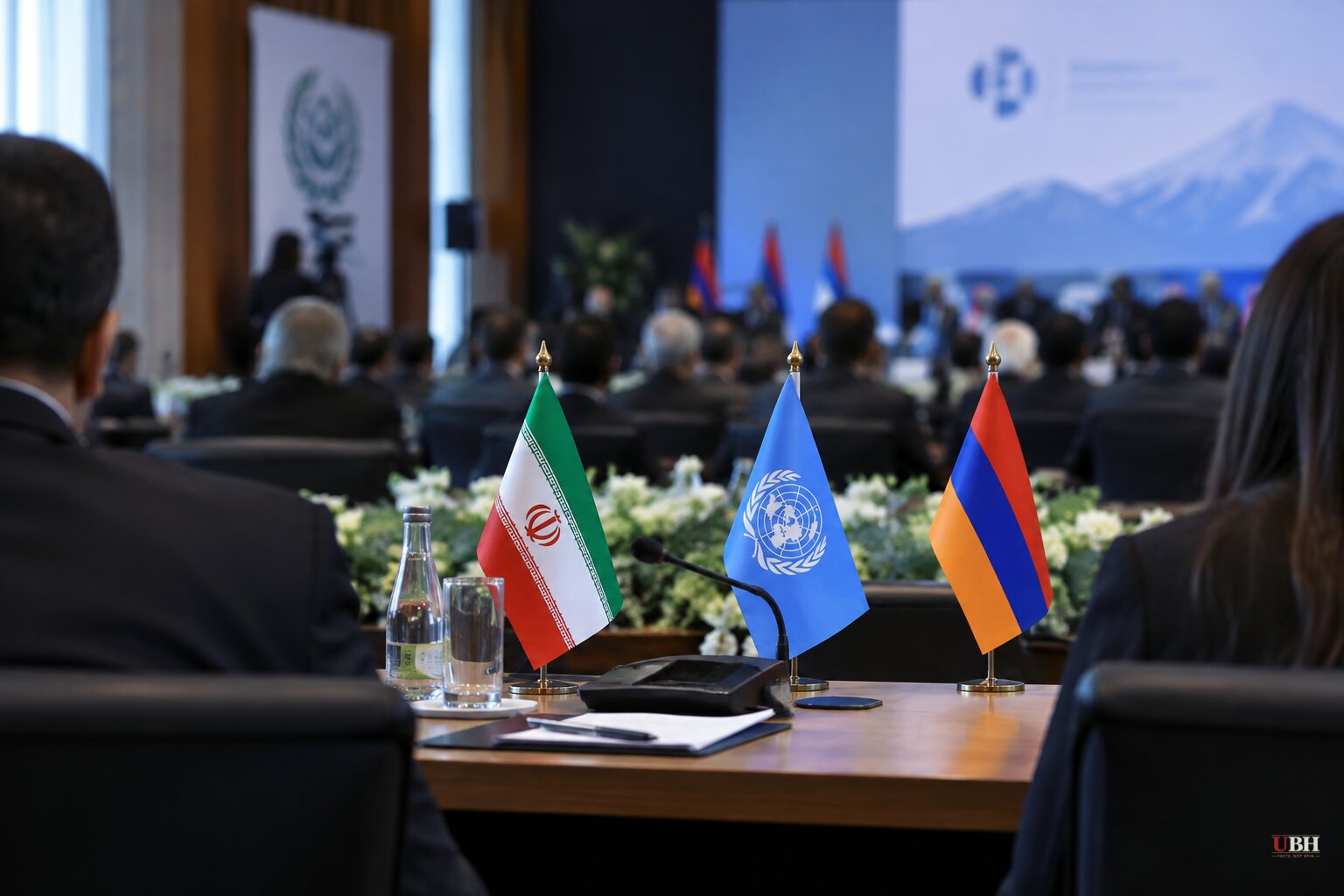
Iran's president took his war grievances to a nature conference on Friday, Oct. 16.
Speaking at the Leaders' Summit of the 17th Conference of the Parties to the Convention on Biological Diversity in Yerevan, Armenia, Masoud Pezeshkian said: "What has occurred in our region as a result of wars of aggression is ecocide, or environmental genocide, and it must be condemned." UN Secretary-General Antonio Guterres attended the summit, and Armenian Prime Minister Nikol Pashinyan was among those Pezeshkian thanked for hosting it.
What Pezeshkian claimed
Pezeshkian said war burns forests, damages wetlands, contaminates soil and water, and destroys wildlife habitat. He said the damage can last years or generations after fighting stops.
He pointed at the United States and Israel. By his account, their war against Iran has damaged industrial and energy facilities, started fires and released pollutants, including hazardous chemicals and heavy metals, into the environment. He also included Gaza in his description of ecological destruction in the region.
These are the Iranian government's claims. Pezeshkian offered no figures in the remarks released by Iranian and Armenian outlets, and no independent damage assessment accompanies them.
His ask was for the international community to "establish effective and transparent mechanisms" to protect natural heritage and biodiversity, assess environmental damage, mobilize money and restore ecosystems. He said countries under sanctions or military attack should not be left to bear the environmental costs alone. "No state should ever be allowed to turn nature into a silent and defenseless victim during wartime," he said.
He also pitched biodiversity work as "peace diplomacy" and said Iran is ready to share its scientific expertise.
The day before: bombs, nukes and a possible restart
The speech followed a busy Thursday, Oct. 15. Reports citing multiple U.S. officials said the Department of War has been developing new strike plans that could use the GBU-43/B Massive Ordnance Air Blast bomb, known as the MOAB, against Iranian nuclear sites and energy infrastructure. Those officials also suggested strikes could come before or after the Nov. 3 midterm elections.
Trump addressed it in an interview with Newsmax. "The mother of all bombs is not nuclear," he said. "I wouldn't use nuclear. We don't have to."
The plans are described as options if Trump orders a resumption of combat operations. No order has been announced.
The timing bears on the ecocide argument. The infrastructure the reported plans would target is the same category of facility Pezeshkian says has already caused pollution. The sources do not show Pezeshkian addressing the reported U.S. planning in his Yerevan speech. His remarks on Thursday did.
Tehran's message at home
On Thursday, Pezeshkian said, per the IRGC-affiliated Fars News Agency: "Bombs and missiles can't force a nation to surrender, but if we become divided internally, the enemy will achieve its goal."
He also listed what he says Washington is trying to exploit: electricity, water and gas shortages, fuel issues, environmental challenges, banking problems, budget deficits and pension fund issues. He said Iranians' "resilience and solidarity proved these expectations wrong."
The list stands out. It is the Iranian president publicly naming a long set of domestic strains. He attributes them to U.S. pressure.
Oil keeps the stakes visible
Markets are watching. In early Asian trading Friday, Brent crude futures fell 41 cents, or 0.39%, to $105.51 a barrel as of 0012 GMT. WTI dropped 54 cents, or 0.55%, to $97.43, according to Reuters. WTI had surged more than 3% Thursday on a significant decline in U.S. crude inventories.
Investors were weighing Middle East tensions against potential U.S. measures to ease restrictions on the global "shadow fleet" of tankers.
Crude near $100 a barrel is a political problem for any administration ahead of an election. The Jerusalem Post reported Thursday that the Iran war and rising energy costs have complicated midterm campaigns focused on affordability.
What comes next
Pezeshkian's call for an environmental damage mechanism is a request to a summit, not a binding proposal from the Convention on Biological Diversity.
The decision rests in Washington. Trump has said he would not use nuclear weapons but has not said whether he will order combat to resume. The Nov. 3 midterms are the date officials have cited, and the officials behind the reported plans suggested strikes could fall either before or after it.
Sources used for this briefing
6 links from 6 independent newsrooms (syndicated copies of the same report count once)
These are the sources it draws on, linked so you can verify.


