
Unbiased headlines. Facts, not spin.
Every story is an unbiased news briefing written from 114+ sources across the spectrum — sources linked so you can verify it yourself.
 defense
Breaking / Critical (9/10)
August 22, 2026 at 10:19 AM
defense
Breaking / Critical (9/10)
August 22, 2026 at 10:19 AM
Iran's Oil Exports Collapse to One-Seventh of Prewar Levels as Trump Team Preps New Sanctions for August 24
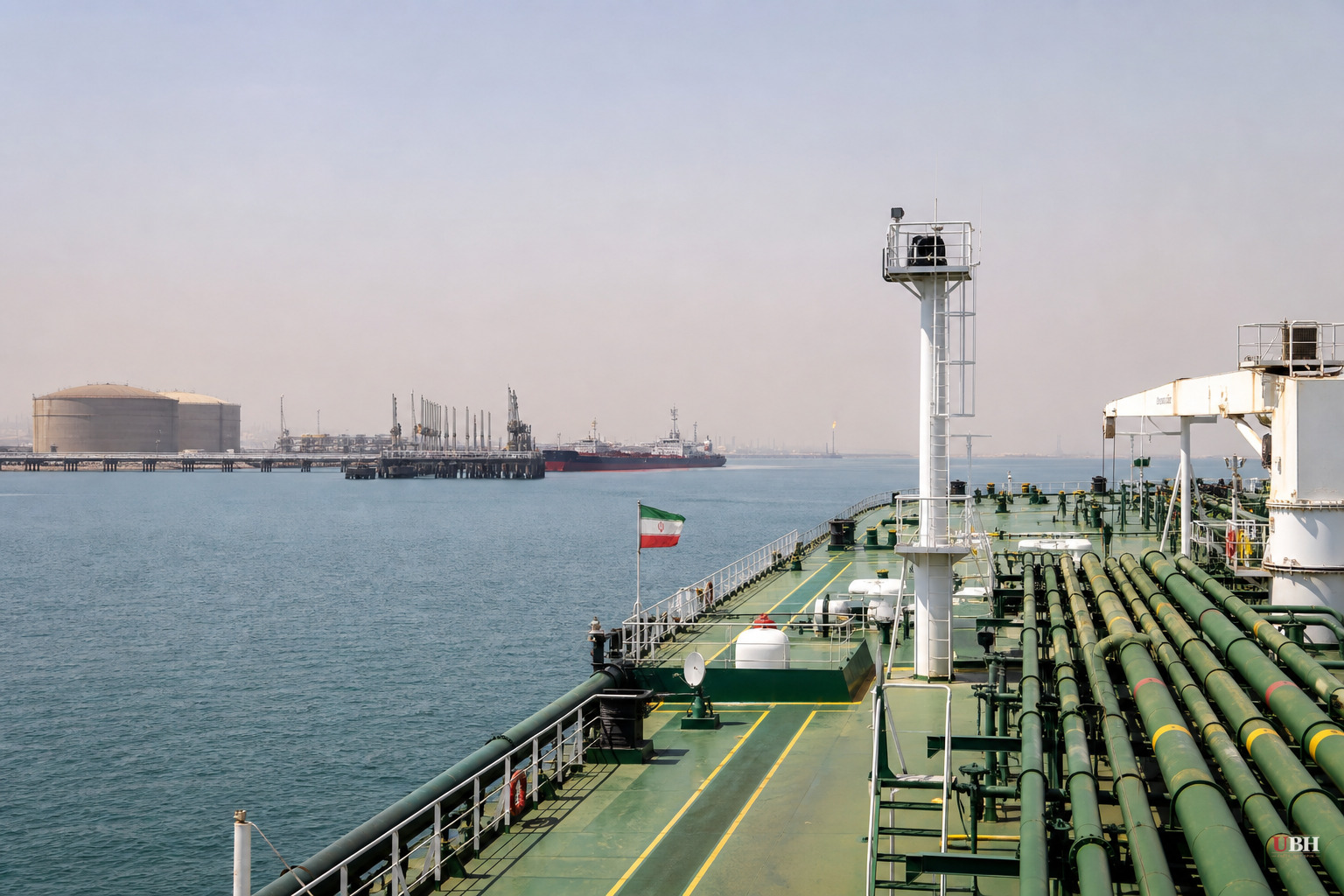
Iran's oil exports have cratered to about one-seventh of prewar levels, according to tanker-tracking data from commodities firm Kpler reviewed by Iran International. That's the clearest sign yet that the U.S. naval blockade reimposed in July, combined with sanctions pressure, is squeezing Tehran's finances hard. Iran loaded an average of roughly 287,000 barrels per day of crude so far this month. Before the war, that number was about 2 million barrels per day. China, Iran's largest oil customer, has taken in about 523,000 barrels per day in August, down from more than 1.7 million barrels per day when the conflict started. Kpler estimates more than 40 million barrels of Iranian crude sit stranded on tankers in the Persian Gulf and Gulf of Oman, trapped by the blockade. The numbers matter because oil and fuel exports brought Iran $57.5 billion last year, about 55% of the country's total exports, according to Iranian central bank data cited by Iran International. Fuel oil exports have also dropped, from roughly 220,000 barrels per day early in the year to about 61,000 barrels per day this month. Liquefied petroleum gas exports have nearly stopped entirely. Sanctions Announcement Set for Monday Treasury Secretary Scott Bessent told CNBC on Thursday, August 20, that he'll lay out the specifics of a new sanctions package at a press conference scheduled for Monday, August 24, according to the Epoch Times. Bessent called the plan, paired with the naval blockade, a "one-two punch" and said the goal is to "squash the economy of this murderous regime." President Trump previewed the move Wednesday on Truth Social, calling it an "ECONOMIC D-DAY" and describing it as the "MOST CRUSHING ECONOMIC OPERATION EVER TAKEN AGAINST ANY COUNTRY," according to Breitbart. Speaking to reporters at Joint Base Andrews on Friday, Trump said the shift toward economic pressure doesn't rule out further military action. "They have no money. They have no navy. They have no air force. They're not paying their soldiers. They're not paying their police. They have 350% inflation," Trump said. Vice President JD Vance, speaking on the Clay Travis and Buck Sexton Show on August 20, called the moment a "new phase" in the conflict, with economic pressure now the "most effective tool" available, according to LiveMint. Vance also acknowledged the approach cuts both ways, describing it as a "delicate dance" since Iran will try to apply its own economic pressure back on Washington and its allies. Iran's Response: Defiance and Threats Iran's military chief of staff, Maj. Gen. Ali Abdollahi, warned Friday that any "miscalculation" by the U.S. would trigger "revolutionary, forceful, regret-inducing and devastating responses" across land, sea, air, space and cyber domains, according to both Breitbart and the Epoch Times, which cited Iran's state-run IRNA. Iranian President Masoud Pezeshkian struck a dual note Friday, saying the war should end while Iran holds a "position of power and dignity," but also vowing Iran would "stand against them until our last breath." Foreign Minister Abbas Araghchi dismissed Trump's sanctions threat on X, writing that "doubling down on failed policies will only bring further defeat." Foreign Ministry spokesman Esmaeil Baqaei went further Saturday, calling the sanctions an assault on the entire UN-based international system. "The United States' declaration of new economic sanctions on Iran is far more than continued unlawful 'economic warfare' against a single country," Baqaei said, according to ETV Bharat, arguing the secondary sanctions violate the UN Charter's sovereign equality principle and the International Court of Justice's Nicaragua ruling. Whether that legal argument holds up is a matter for international law scholars and courts, not something this reporting resolves. The Strait, the Economy, and an Unverified Number Commercial traffic through the Strait of Hormuz remains at just 20% of prewar levels, according to a UK Maritime Trade Operations report cited by ETV Bharat. The report noted ships are increasingly rerouting north or aborting transits altogether, which UKMTO called "risk avoidance rather than route substitution." Oman continues working with Tehran on arrangements to resume safer commercial navigation, according to Sunday Guardian Live, though talks face a basic conflict: Washington wants unrestricted access through Hormuz while Iran wants concessions on U.S. military presence. On the inflation numbers, some caution is warranted. Reuters reporting cited in that same account puts overall annual inflation at about 66%, a figure that is independently confirmed. Treat the food inflation number as unverified until an official Iranian source or additional independent reporting confirms it. A UKMTO-documented strike on a vessel's engine room during an outbound Hormuz transit, and an unidentified Iranian cleric's account of "burned flesh" still lingering near the late supreme leader's bombed compound, both remain uncorroborated by independent sources beyond Iran International's reporting. The next concrete marker is Monday, August 24, when Bessent is scheduled to detail exactly which entities, banks and countries face fresh sanctions, and whether U.S. allies join the pressure campaign Trump has demanded.
Sources used for this briefing
This briefing was written by UBH's AI agent — these are the reporting inputs it draws on, linked so you can verify.


