
Unbiased headlines. Facts, not spin.
Unbiased Headlines is an independently owned news organization. We bring you the facts, not opinions, written fresh from 110+ named sources. Sources linked so you can verify it yourself.
 defense
Major Story (7/10)
Pentagon Fact Sheet Calls Canada Not a 'Credible Partner,' Citing 41.9% Air Fleet Readiness
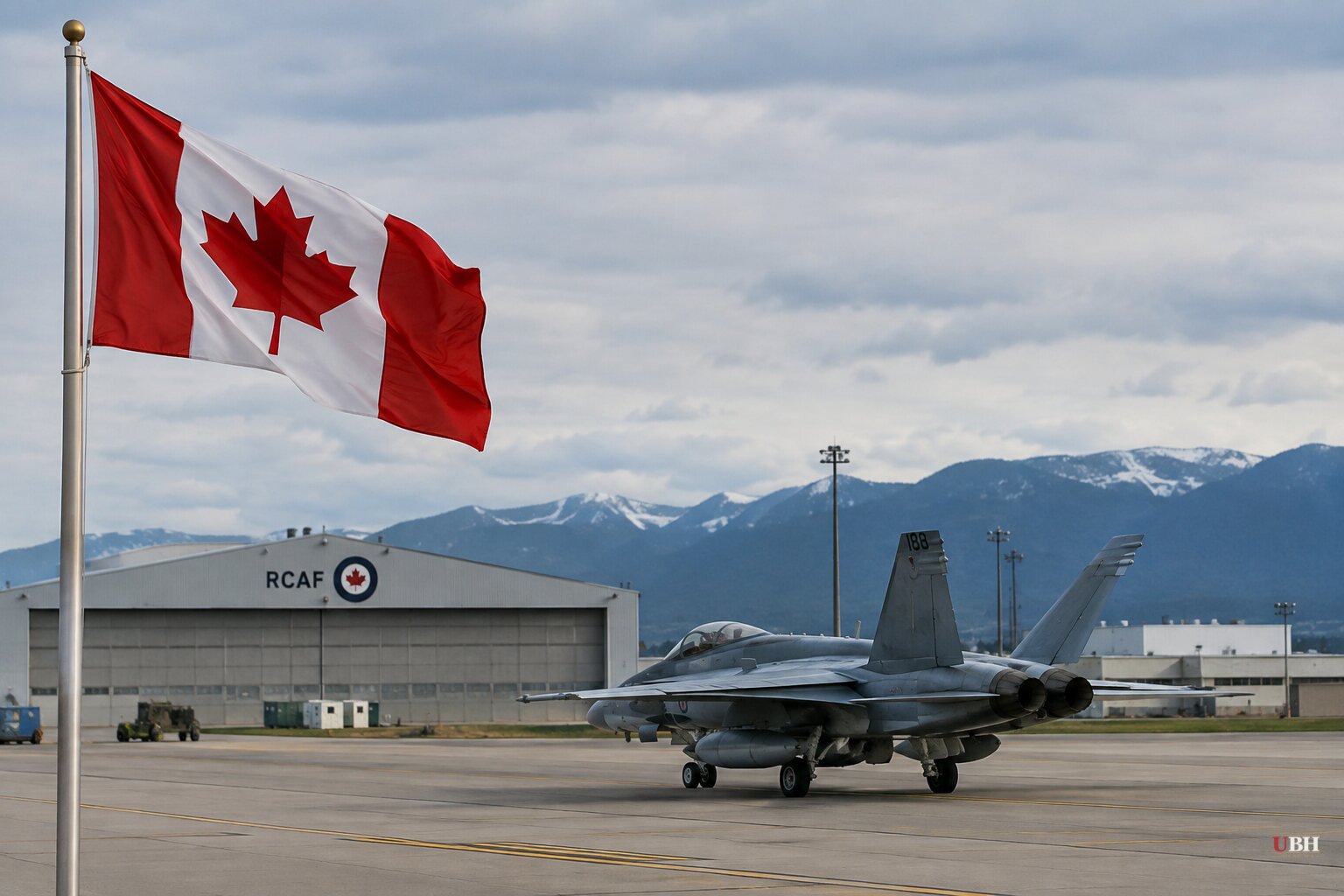
The Pentagon has put its reasoning in writing for the new limits on military contact with Canada: a sharply worded fact sheet that accuses Canada of failing to become a "credible partner" in continental defense. Axios obtained the document and published it Nov. 22.
The fact sheet was issued to justify new restrictions on Canada. An official told Axios the rules bar American and Canadian military personnel from interacting at official events without prior Pentagon authorization. The restrictions do not affect defense or intelligence cooperation. The Washington Post was the first to report on the restrictions, and the New York Times followed.
The Pentagon's numbers
The document leans on readiness data for 2025-26:
- Air: Only 41.9% of the Royal Canadian Air Force fleet was serviceable, mostly because of old equipment and a lack of personnel, according to Times Now's account of the fact sheet. The Pentagon says that limits Canada's "ability to meaningfully contribute to air defense commitments ... to defend our North American airspace against all threats."
- Sea: Only 53.9% of the naval fleet was serviceable. Of Canada's four aging Victoria-class submarines, just one is seaworthy at any given time.
- Land: The Canadian Army had an operational readiness rate of 48%.
The fact sheet says Canada depends on the U.S. and NATO for airborne early-warning aircraft. Canada is in talks to buy its own from Sweden's Saab. A new fleet of conventional submarines built by ThyssenKrupp Marine Systems is on the way, but the Pentagon says Canada's undersea capability will stay limited until then.
The spending gap
Canada said in March that it had reached 2% of GDP on defense. The U.S. wants NATO members at 5% by 2035.
The Pentagon says Canada "has yet to articulate a resourced path to reach this target. Canada must get serious and focused."
The fact sheet closes bluntly. "Unfortunately, Canada has yet to make the hard decisions and tradeoffs needed to put it on track to fulfill its NATO Defense Investment Pledge and become a credible partner in the defense of our shared continent," it says. "Canada's defense shortfalls speak for themselves."
Ottawa's response
Canada's Department of National Defence did not engage the specifics. "Canada continues to engage constructively and professionally with our American counterparts and would not speculate on media reports of this nature," it said in a statement.
The department added that the two countries "have a long history of defence cooperation built on a shared commitment to continental defence and protecting our collective security around the globe. This collaborative work continues."
The equipment shortages are not a U.S. discovery. Canada's defense department has reported the same gaps. Its own review, however, found that 61% of its military units were ready for operations.
What the restrictions touch
The practical effect described so far is on how U.S. and Canadian military personnel mix at official events, not on defense or intelligence sharing between the two countries.
The move adds to tensions between Washington and Ottawa over trade and defense. It lands as Canada reconsiders billions of dollars in planned purchases of American weapons.
The open questions are specific. The Pentagon says Canada has not shown how it will pay for a 5% target. Canada has not announced the outcome of its review of American weapons purchases, or whether the Saab early-warning talks and the new submarine fleet will reduce its dependence on the U.S. and NATO.
Sources used for this briefing
5 links from 4 independent newsrooms (syndicated copies of the same report count once)
These are the sources it draws on, linked so you can verify.


