
Unbiased headlines. Facts, not spin.
Unbiased Headlines is an independently owned news organization. We bring you the facts, not opinions, written fresh from 110+ named sources. Sources linked so you can verify it yourself.
 defense
Major Story (7/10)
Iran's Ghalibaf Warns US and Israeli Dams, Ports and Power Plants Are 'Dual-Use' After NYT Report on Iranian Dams
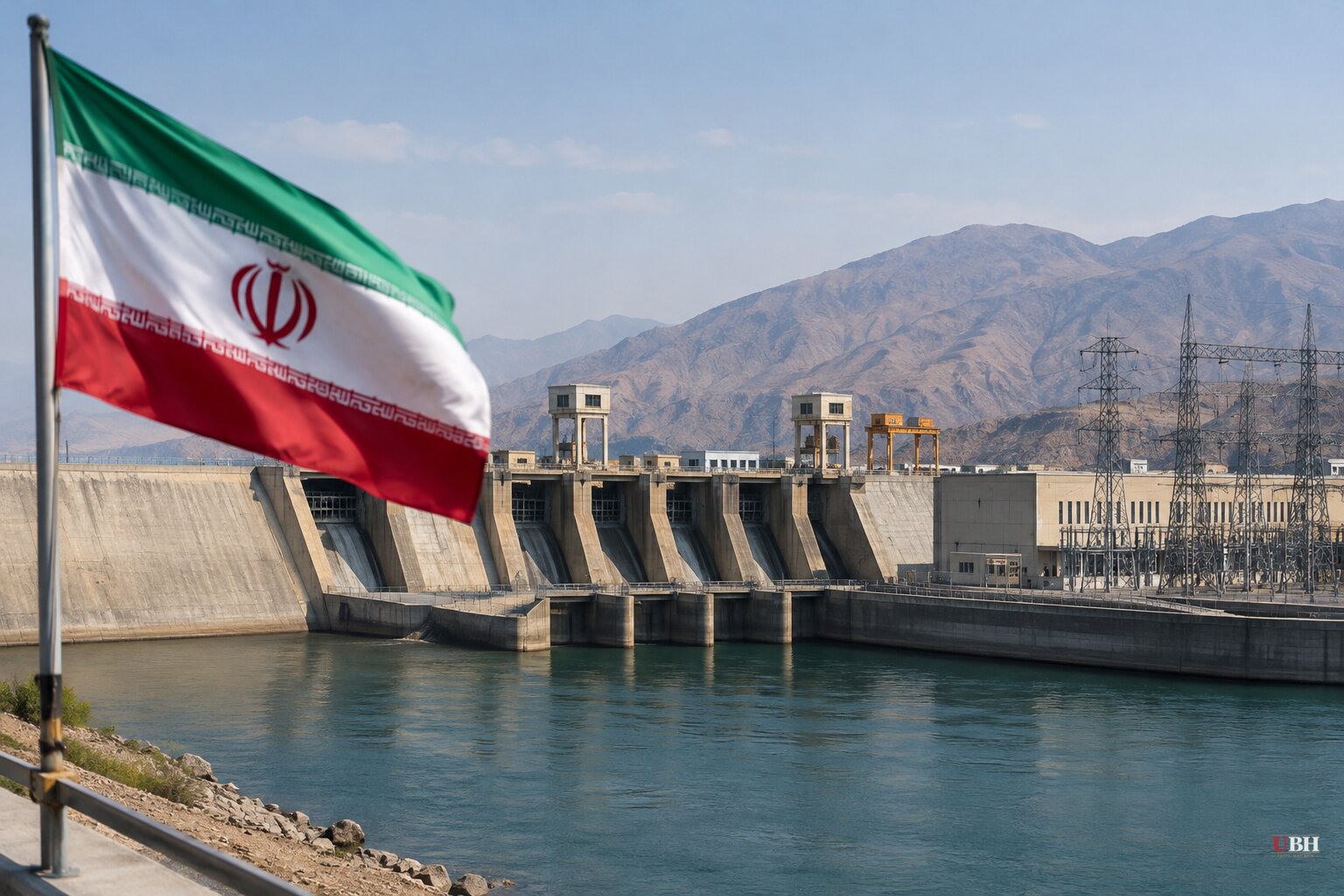
Iran's top negotiator is threatening civilian targets in response to a newspaper story. That is where the war of words stands on Tuesday, Nov. 17.
Mohammad Bagher Ghalibaf, Iran's parliament speaker and lead negotiator with Washington, posted on X: "Cool. New rule: Any dam, port, or power plant near a US or Israeli base is dual-use. We'll apply your logic consistently and even-handedly." He framed the New York Times piece as "prepping the next round on civilian infrastructure."
What the Times actually reported
The article, by Sanam Mahoozi and Erika Solomon, ran Monday under the headline "Airstrikes on Iran missile sites may shed light on justification for dams." It examined why Iran keeps expanding dams and water-transfer projects during a water crisis, and whether some of that building overlaps with suspected underground missile sites and military demand for water and electricity.
The article itself said the connection is speculative. Mahoozi described it as "No conclusive evidence—but questions worth asking." The piece also noted that dams supply drinking water, irrigation and electricity to ordinary Iranians. It did not say the US or Israel was considering striking dams.
The dispute over the dam theory
Esfandyar Batmanghelidj, CEO of the London-based Bourse & Bazaar Foundation, rejects the premise. He said fewer than 50 of Iran's more than 500 large dams have turbines installed to generate electricity. "The notion that Iran built hundreds of dams to provide electricity for military facilities does not hold up," he wrote.
His explanation is that IRGC construction companies and other vested interests use infrastructure budgets to generate rents. He also called it a "third variable problem": dams and military sites both tend to sit in mountainous terrain. He pointed to China, which has built thousands of "unnecessary" dams without anyone concluding they are disguised military facilities.
Israeli analyst Danny Citrinowicz offered a more cautious reading. He said Tehran has invested heavily in underground facilities, redundancy, decentralization and potentially independent water and electricity supplies so missile operations can continue when civilian infrastructure is disrupted. He added that a direct link between dam projects and underground missile facilities has not been conclusively established.
Iran's Foreign Ministry spokesman, Esmaeil Baghaei, called the claims "baseless allegations" and "a malicious campaign to manufacture propaganda and security pretexts aimed at justifying attacks on a country's vital infrastructure."
The threats already on the record
Iranians have reason to read the story nervously. President Donald Trump has repeatedly threatened to destroy Iranian power plants and bridges if war resumes, and said he was "not at all" concerned that such strikes could amount to war crimes. Last week he said key infrastructure could be "wiped out" in three days, starting with bridges, and that US forces have 38 bridges in their crosshairs.
Trump has also recently downplayed the prospect of renewed attacks while saying the military is ready if he gives the order.
Since the US-Israel war on Iran began Feb. 28, civilian infrastructure in Iran has been heavily damaged in air attacks, hitting energy supplies, logistics and the economy. Tehran also blames the US for a strike on a girls' school in Minab on the first day of the war that it says killed 120 children.
Navid, a 34-year-old Tehran resident who asked that his surname be withheld for security reasons, told Al Jazeera it is "worrying how easily conversations have shifted to talking about attacking fundamental things like water, electricity and gas."
Ghalibaf's own threat has a cost for Iran's argument. Naming ports and power plants near US and Israeli bases as fair targets is the same dual-use reasoning Iran says it objects to when applied to its own dams.
Military pressure continues
The rhetoric lands amid low-intensity fighting and deadlocked talks. Iran's Revolutionary Guard claimed drone attacks on a radar system at the Sheikh Isa base in Bahrain on Tuesday, citing "continued violation" of Iranian airspace by US drones. Bahraini authorities said they intercepted the projectiles. Bloomberg counted it as the third Iranian attack on Bahrain in under a week.
A third US aircraft carrier strike group arrived in the Persian Gulf region Monday.
Iranian Deputy Foreign Minister Kazem Gharibabadi said Sunday that Tehran is legally "still in a state of war," not in a "neither war nor peace" limbo. He dismissed what he described as Trump and US officials saying Washington no longer seeks a deal and sees sanctions as working, calling it the "same failed policies."
Markets are not pricing in a major escalation. Brent crude was at $95.69 a barrel in early Asian trading Monday, down 0.2% after a 2.5% drop the prior week, despite a tanker fire in the Strait of Hormuz and the Bahrain strike.
It is unclear whether Trump will give the order. If he does, the dam debate stops being academic: the Times says it found no conclusive evidence, and Iranian officials say the idea is a pretext for hitting civilian targets.
Sources used for this briefing
7 links from 6 independent newsrooms (syndicated copies of the same report count once)
These are the sources it draws on, linked so you can verify.


