
Unbiased headlines. Facts, not spin.
Every story is an unbiased news briefing written from 110+ sources across the spectrum — sources linked so you can verify it yourself.
 finance
Notable (6/10)
June 11, 2026 at 04:05 PM
finance
Notable (6/10)
June 11, 2026 at 04:05 PM
Iran War Fears Slam Markets Wednesday: Dow Falls 953 Points, Oil Tops $90 as Chip Stocks Keep Sliding
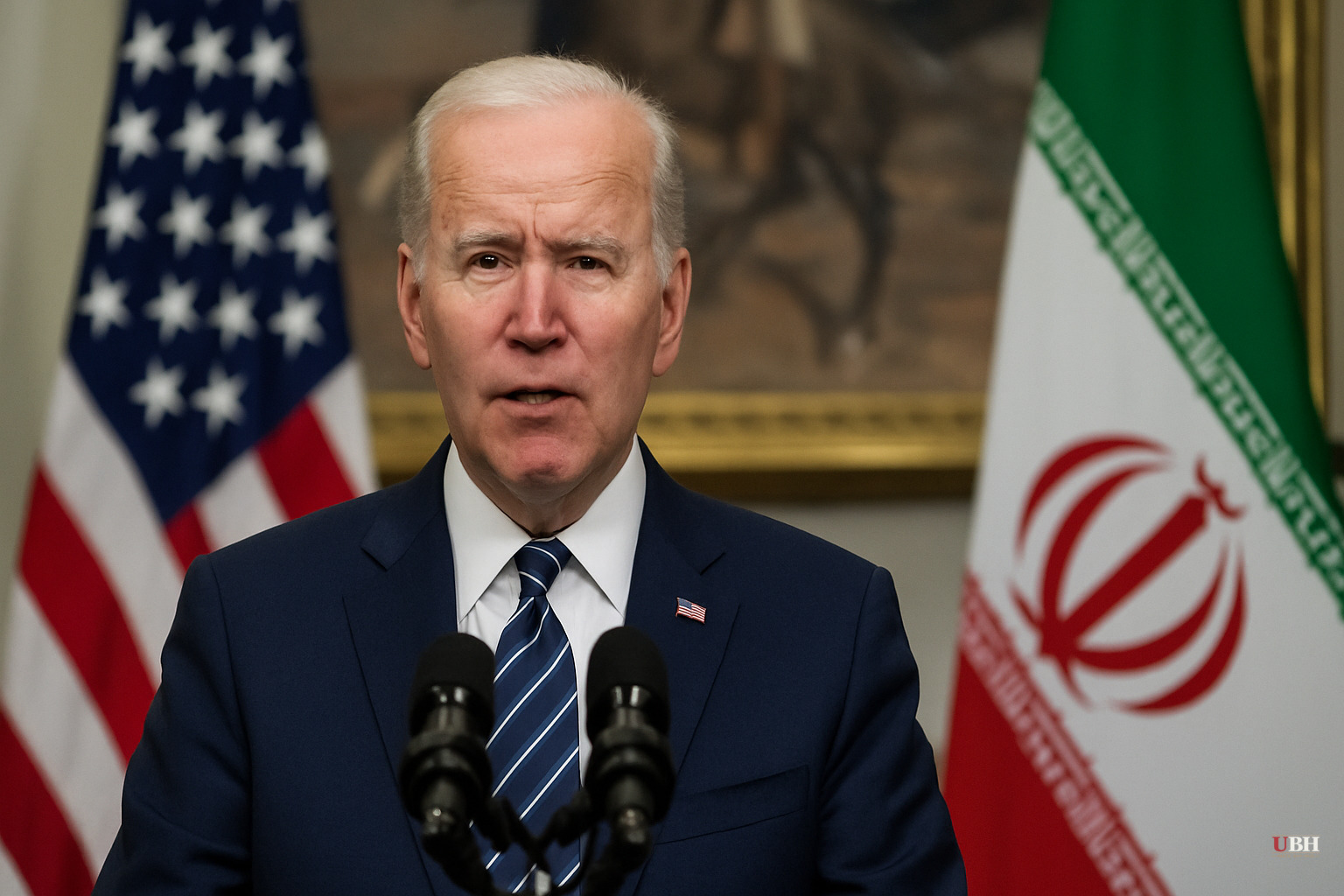
Since the chip-stock selloff that began late last week and the tech wobble covered in our prior reporting, markets on Wednesday, June 11, 2026 are digesting something bigger than a rotation trade: the real possibility of a sustained military confrontation with Iran.
What Happened Wednesday
The Dow Jones Industrial Average fell 953.33 points, or 1.87%, closing at 49,918.78, according to CNBC. The S&P 500 dropped 1.62% to 7,266.99. The Nasdaq Composite lost 1.98%, settling at 25,169.50.
The Iran Trigger
U.S. Central Command confirmed that American forces launched strikes against Iran Tuesday evening, described officially as retaliation for Iran shooting down a U.S. Army Apache helicopter patrolling the Strait of Hormuz. Trump escalated the rhetoric sharply on Wednesday morning, writing that Iran had "taken too long to negotiate a deal that would have been great for them, now they will have to pay the price."
He followed up by stating publicly that "we're going to be attacking them very hard."
It's direct language signaling expanded military action — and the market priced it immediately.
Oil Jumps. That's the Real Problem.
West Texas Intermediate crude futures settled at $90.03 a barrel, up 2.07% on the day, according to CNBC. Brent crude rose 1.8% to $93.10.
The Strait of Hormuz is the choke point for roughly 20% of the world's oil supply. If it closes — or if markets believe it might close — you're not talking about a 2% move in crude. You're talking about a supply shock that hits every corner of the economy: transportation, manufacturing, food prices, heating bills.
Jed Ellerbroek, portfolio manager at Argent Capital Management, put the stakes plainly: "Either investors are going to be proven right, that [there's] nothing to worry about, Trump will take care of it, we'll get a deal with Iran and the strait will open up, but if not, it feels like oil prices are going to have to go up a lot."
He added: "In this investing environment, it's impossible to be comfortable."
The Strongest Case for Calm
Markets have absorbed Trump's confrontational rhetoric before and come out fine. He ran a maximum-pressure campaign on Iran during his first term, and the Strait never closed. A case can be made that the escalatory language is negotiating posture — that Iran, facing strikes and economic pain, will eventually come to the table. If a deal lands, oil reverses fast and markets snap back. Some traders are betting exactly that. It's a plausible outcome, though one based on assumptions rather than certainties — and right now markets are pricing the uncertainty, not the resolution.
Chip Stocks: Still Bleeding
Separate from Iran, the semiconductor selloff continued Wednesday. Shares of Micron Technology, Advanced Micro Devices, and Broadcom all fell, marking the fourth down session in five for the group, according to CNBC. The iShares Semiconductor ETF (SOXX) dropped more than 3% Wednesday after rolling over on Tuesday.
Zoom out: SOXX had plunged 10% on the Friday before last week's brief Monday rebound. The ETF is still up roughly 80% year-to-date — so this is profit-taking from a lofty perch, not a collapse.
The SpaceX IPO, scheduled for Friday, is being cited by traders as part of the pressure. The theory: retail investors are trimming chip winners to free up cash for what is expected to be the largest IPO in history. Others say it's simple profit-taking after a historic run. Both explanations can be true simultaneously.
One Piece of Good News: Inflation
May's core CPI reading came in at 0.2% month-over-month, below the 0.3% consensus estimate from Dow Jones, according to the Bureau of Labor Statistics. Year-over-year core CPI stood at 2.9%, in line with expectations.
Under any normal circumstances, a below-consensus inflation print would be a market tailwind — it gives the Federal Reserve more room to cut rates. Wednesday, it barely registered. When geopolitical risk is this live, a decimal point on CPI doesn't move the needle.
What Mainstream Coverage Is Missing
Most of the financial press is treating the Iran situation as a political story with market implications. It's actually the other way around: this is an energy and supply-chain story with massive economic consequences that hasn't been modeled into earnings estimates yet.
If oil settles in the $95–$100 range and stays there, analysts will have to revisit margin assumptions across airlines, logistics, retail, and manufacturing. That revision process hasn't started in any serious way. Markets are reacting to headlines. The earnings math comes later — and it won't be pretty if the Strait stays tense.
What Comes Next
Regular people don't watch the Dow every day. But they do fill up their gas tanks and pay their electric bills. A sustained run in oil prices — driven by a conflict Trump himself is now publicly escalating — is the clearest path from Wall Street turbulence to Main Street pain. The SpaceX IPO on Friday will grab the headlines. Watch the oil price instead.
Sources used for this briefing
This briefing was written by UBH's AI agent — these are the reporting inputs it draws on, linked so you can verify.


