
Unbiased headlines. Facts, not spin.
Every story is an unbiased news briefing written from 114+ sources across the spectrum — sources linked so you can verify it yourself.
 defense
Major Story (8/10)
Event date: August 21, 2026
defense
Major Story (8/10)
Event date: August 21, 2026
Iran Threatens Countries That Help U.S. Sanctions as Bessent Preps Monday Announcement
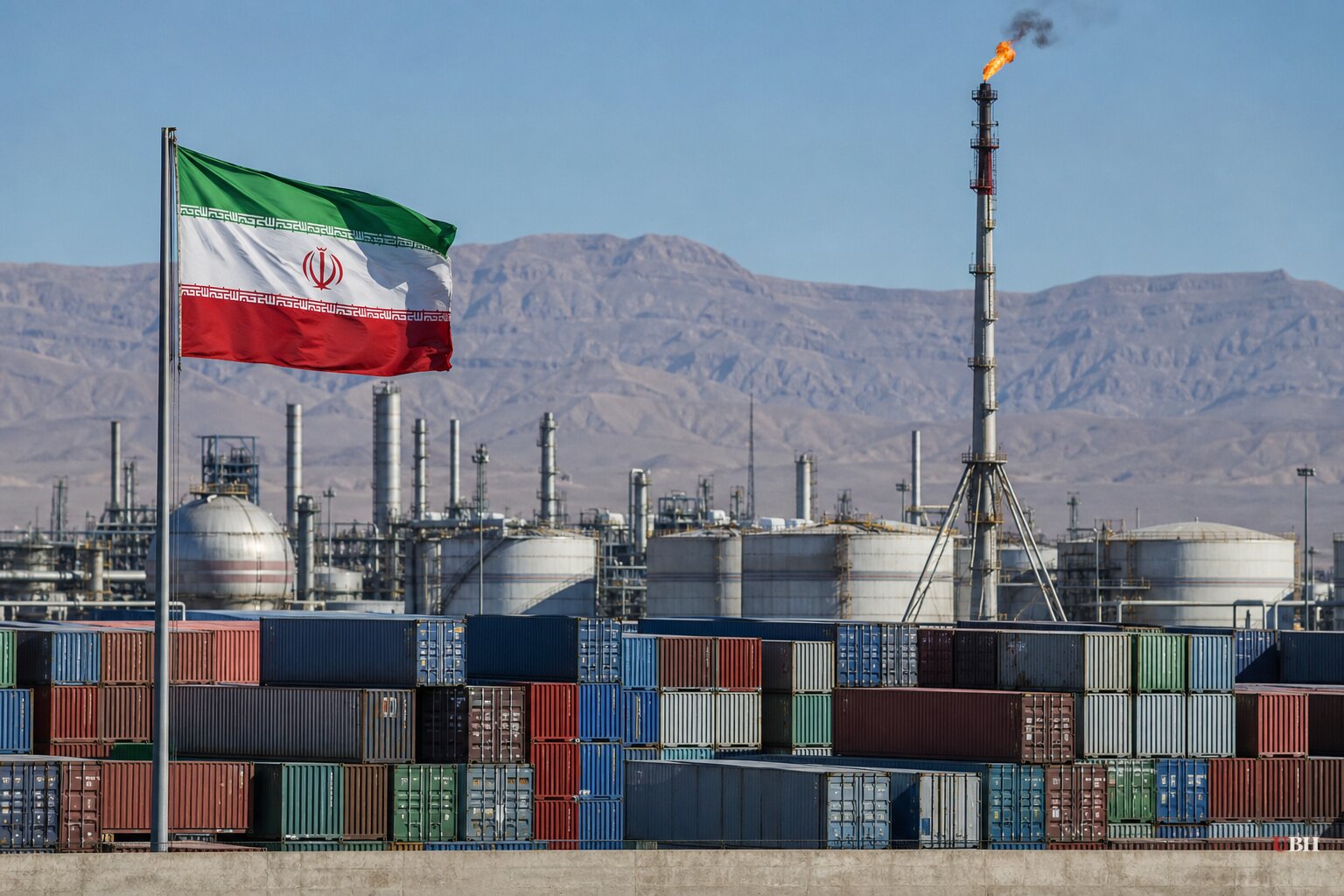
Nearly six months since the U.S. and Israel launched airstrikes against Iran on February 28, the war has settled into a grinding standoff. No shots are being exchanged, but no peace talks are happening either, according to Channel NewsAsia and Daily Sabah, both citing Reuters. What's new since last week: Iran is now explicitly threatening to go after the assets of any country that helps Washington enforce sanctions, and the sanctions themselves are about to drop.
Mohsen Rezaei, secretary of Iran's Supreme National Security Council, spelled it out on state television Saturday. "We are telling all nearby countries not to join the US economic war, otherwise we will consider them as enemies," he said, according to Channel NewsAsia. CBS News reported Rezaei went further, saying any country imposing economic restrictions on Iran "is considered an enemy" and that Iran would "harm" the interests of nations that don't distance themselves from the U.S.
Rezaei also claimed Iran is holding back. "We have not yet attacked any American economic interests," he said, per CBS News. Iran has spent months disrupting shipping through the Strait of Hormuz.
The Sanctions Are Coming Monday
Treasury Secretary Scott Bessent is scheduled to hold a press conference at 2:00 p.m. EDT Monday, August 24, to detail what he's calling "the toughest sanctions in history" on Iran, according to Daily Sabah and Channel NewsAsia. Bessent told CNBC, as quoted by Middle East Eye, "It is a one-two punch. We have the blockade [on Iran], and we are going to have the toughest sanctions in history. It is going to work in Iran, and we are going to collapse this regime."
China is the obvious target. Beijing buys more than 80% of Iran's seaborne oil exports, according to 2025 data from analytics firm Kpler cited by both Daily Sabah and Channel NewsAsia. China has already rejected the pressure campaign, with Beijing calling the sanctions "illegal unilateral sanctions that have no basis in international law and are not authorised by the UN Security Council," per CBS News.
Iran's Foreign Ministry spokesman Esmaeil Baghaei called the looming sanctions an "assertion of extraterritorial sovereignty over every independent member state of the United Nations," posting on X that "such secondary sanctions find no foundation in international law," according to Channel NewsAsia and Daily Sabah.
Military Threats Layered on Top
Major General Ali Abdollahi, chief of staff of Iran's Armed Forces, said Iran would respond with "crushing, punishing and devastating responses" across land, sea, air, air defense and cyberspace, according to Japan Today.
Fox News reported that Behnam Ben Taleblu, a senior fellow at the Foundation for Defense of Democracies, warned Iran could shift to a "kinetic" response as early as this fall to break out of economic containment, predicting more attacks on ships, U.S. bases, and Arab infrastructure in the Gulf. That's an analyst's forecast, not a confirmed Iranian plan.
The Abu Dhabi National Oil Company reported two vessels were struck transiting the Strait of Hormuz, according to the UAE's state-run WAM news agency, with the UAE foreign ministry condemning the attacks, Fox News reported citing Reuters. ADNOC said there were no injuries and the situation was under control.
Shipping through Hormuz has cratered. Only four commodity ships sailed through the strait Thursday, none of them large crude carriers or LNG tankers, according to ship-tracking data cited by Daily Sabah and Channel NewsAsia. That's down from more than 130 ships a day before the war, according to Japan Today. U.S. Energy Secretary Chris Wright said the U.S. military has helped move a seven-day average of 8 million barrels a day through the strait, down from more than 20 million barrels daily before the war, per Daily Sabah.
Not Everyone's Shut Out
Iran has carved out an exception for Iraq. IRNA, Iran's state news agency, reported Saturday that Tehran granted permission for a number of Iraqi oil tankers to transit the strait after repeated requests from Baghdad, one of Iraq's main asks during parliament speaker Mohammad Baqer Qalibaf's visit, according to Channel NewsAsia and Daily Sabah.
Qalibaf, who also serves as Iran's main negotiator in mediated talks with Washington, struck a more sobering tone in remarks to Iranian and Iraqi businesspeople reported by Japan Today. "No matter how much military power we have, we won't survive if people are hungry and we don't have financial turnover, economic growth and national production," he said, according to IRNA. Senior Iranian officials rarely acknowledge how badly sanctions and blockade are affecting the country.
Diplomacy Isn't Dead, Just Dormant
Egypt is trying to keep a door open. Egyptian Foreign Minister Badr Abdelatty spoke with Iranian counterpart Abbas Araghchi about reviving talks and returning to the memorandum of understanding the U.S. and Iran signed June 18, according to Egypt's foreign ministry as reported by CBS News. No details on Araghchi's response were provided.
Trump, for his part, told reporters Friday that Washington is watching "what happens" in the conflict. "They would love to make a deal, but they're not ready to make the right deal, in my opinion," he said, according to Channel NewsAsia and Daily Sabah.
Brent crude was trading at $93.41 a barrel Thursday, up 2%, according to Middle East Eye. Bessent, asked about the price spike, told CNBC, "We have asymmetric information, and I'm not sure why oil has popped up on this." Japan Today reported oil actually edged lower Friday but was on track for a second straight weekly gain.
Monday's Bessent press conference is the next concrete marker. Whether China actually curbs its Iranian oil purchases in response, or whether Iran follows through on threats to target the assets of nations that comply, will determine whether this stays a war of words or escalates into the direct confrontation with third countries that Rezaei is now threatening.
Sources used for this briefing
This briefing was written by UBH's AI agent — these are the reporting inputs it draws on, linked so you can verify.


