
Unbiased headlines. Facts, not spin.
Unbiased Headlines is an independently owned news organization. We bring you the facts, not opinions, written fresh from 110+ named sources. Sources linked so you can verify it yourself.
 energy
Major Story (8/10)
Iran Sets Nov. 1 Deadline for 'Legal Action' Against All Sinokor Vessels as Korean Shipowners Dispute Ownership
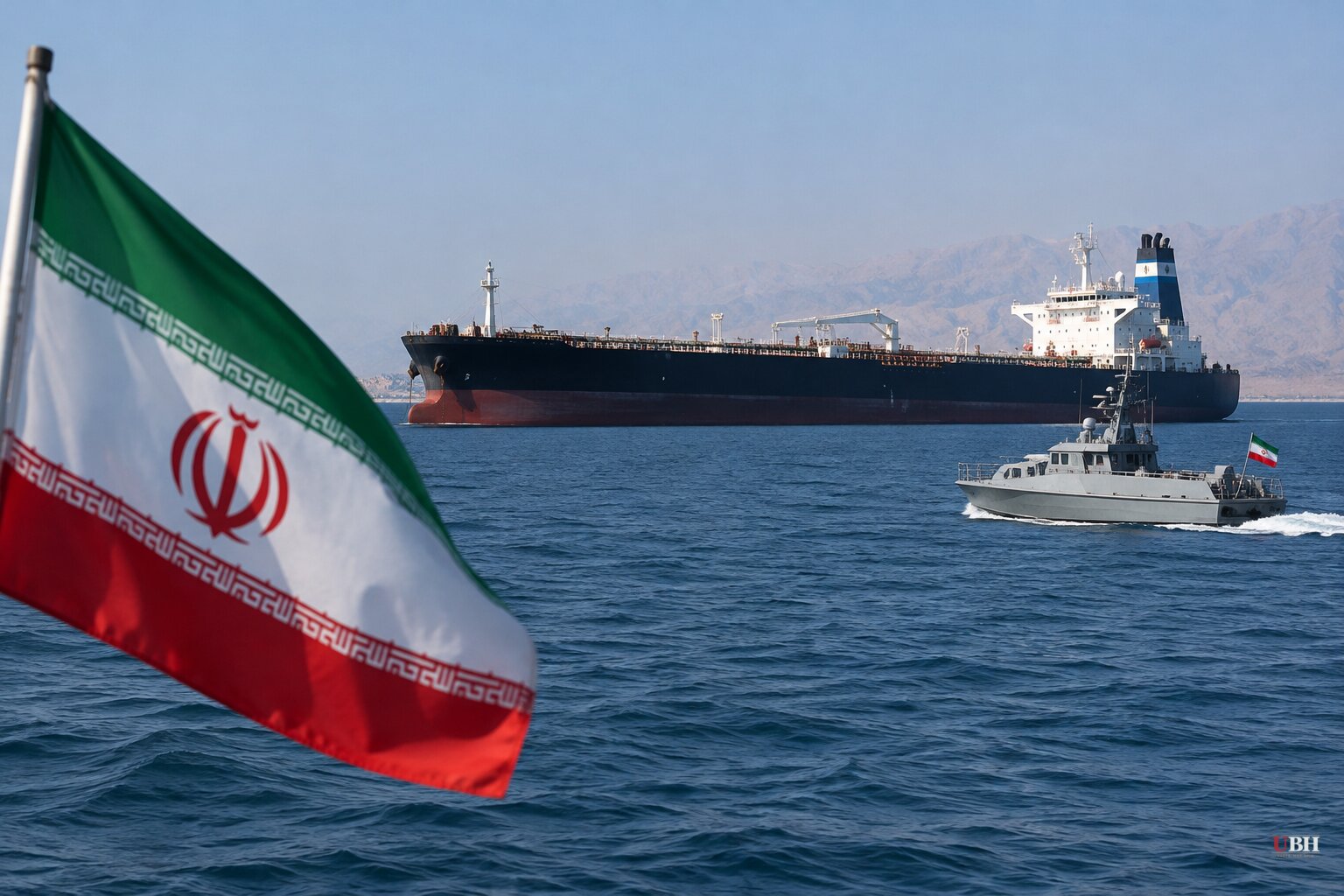
Since the war began on Feb. 28 with U.S. and Israeli strikes on Iran, Tehran has used control of the Strait of Hormuz as its main leverage. A new front opened this week, aimed at a single shipowner.
On Tuesday, Oct. 27, Iran's Persian Gulf Strait Authority (PGSA) posted on X that vessels belonging to South Korea's Sinokor Merchant Marine had committed "the highest number of passage violations over the past three months." The authority said "appropriate enforcement measures" had already been taken against at least seven of them.
The warning was addressed to "all cargo owners, stakeholders, and insurance service providers." It said that "as of November 1, legal action will be taken against all vessels of this company."
What Iran has and has not said
The PGSA did not say what "legal action" means. It did not name penalties, ports, or a method of enforcement.
The authority's wording does not explicitly threaten missile strikes. One account circulating online quoted the authority as promising that all of the company's ships would be "targeted by missile strikes" from Nov. 1. The PGSA statement as released says nothing of the kind.
The warning is not the first. In August, the PGSA published a list of 45 tankers it said had broken its crossing rules, Sinokor ships among them. It said they could face fines, detention or confiscation if they tried to transit again.
Korean shipowners push back
The Korea Shipowners' Association said Wednesday that the vessels Iran is complaining about are not owned by Sinokor. They were sub-chartered to an overseas oil company, the association said, and carry no South Korean crew. All aboard are foreign seafarers.
The association said it confirmed those details with a Sinokor official. It added that Sinokor was unaware of the separate warning of legal action and was checking the details. Sinokor has not issued a public response.
Iran's position is that the strait is its to police. IRGC chief Ahmed Vahidi has called Hormuz Iran's "strategic red line" and said no outside power has the right to "interfere in it." Washington and Gulf states say free navigation in international waters is not negotiable.
Why Sinokor
The company is the biggest single presence in Gulf crude shipping. Sinokor tankers carried about 105.6 million barrels through Hormuz in September, roughly 40% of all crude moving through the strait that month, according to Bloomberg. Lloyd's List Intelligence data put Sinokor at about 37% of Hormuz oil transits in September and more than half of VLCC traffic in the first 10 days of October.
Those numbers explain why a fleet-wide threat carries weight. They also show how much of the Gulf's exports ride on one operator's willingness to keep sailing.
The operator has been paid for the risk. Bloomberg has reported that Sinokor's freight deals, relayed to brokers by message, have repeatedly pushed benchmark tanker rates higher. A new VLCC costs $125 million to $135 million to build.
The risk has also been physical. The Financial Times counted 24 vessels attacked in and around Hormuz from Sept. 28 to Oct. 11, based on UK Maritime Trade Operations and European security data. Six were hit on Oct. 11 alone, including one Sinokor ship.
The insurance squeeze
The warning's target list, cargo owners and insurers, matters as much as the ships. War-risk cover is bought per transit for each ship entering a listed area.
Before the war, Hormuz war-risk cover ran 0.15% to 0.25% of hull value. Brokers quoted 6% to 10% in early October, according to the Financial Times. On a $100 million tanker, that is the difference between about $250,000 and $6 million to $10 million for one passage, before cargo cover. Those quotes are not an official index and vary by ship, flag, ownership links and route.
A public threat naming a specific fleet gives underwriters and charterers a reason to reprice or walk away. Whether they do is not yet known.
The wider backdrop
More than a dozen strikes on shipping have occurred since the end of September, which has helped keep crude above $100 a barrel, according to CNN's count. The United States maintains a naval blockade on Iran-linked ships. Gulf producers have increasingly relied on "dark transits," with tankers switching off tracking to avoid detection.
On Thursday, Oct. 29, President Trump said on Truth Social that the U.S. will not attack Iran before the Nov. 3 midterms and that his administration is "having productive discussions" with Tehran. Nothing in that pledge addresses Iranian action against commercial shipping.
Nov. 1 arrives tomorrow. It is not yet clear whether Sinokor's sub-chartered ships keep transiting Hormuz or whether insurers and cargo owners treat the PGSA's notice as an enforcement threat or a bluff.
Seoul's reaction is also unknown. The Korea Shipowners' Association has said only that Sinokor is checking the warning.
Sources used for this briefing
7 links from 5 independent newsrooms (syndicated copies of the same report count once)
These are the sources it draws on, linked so you can verify.


