
Original briefings. Zero spin.
Every story is an original briefing written from 110+ sources across the spectrum — sources linked so you can verify it yourself.
 politics
Major Story (8/10)
September 5, 2026 at 11:28 PM
politics
Major Story (8/10)
September 5, 2026 at 11:28 PM
Iran Sentences 10 More Protesters to Death as August Execution Count Hits at Least 82
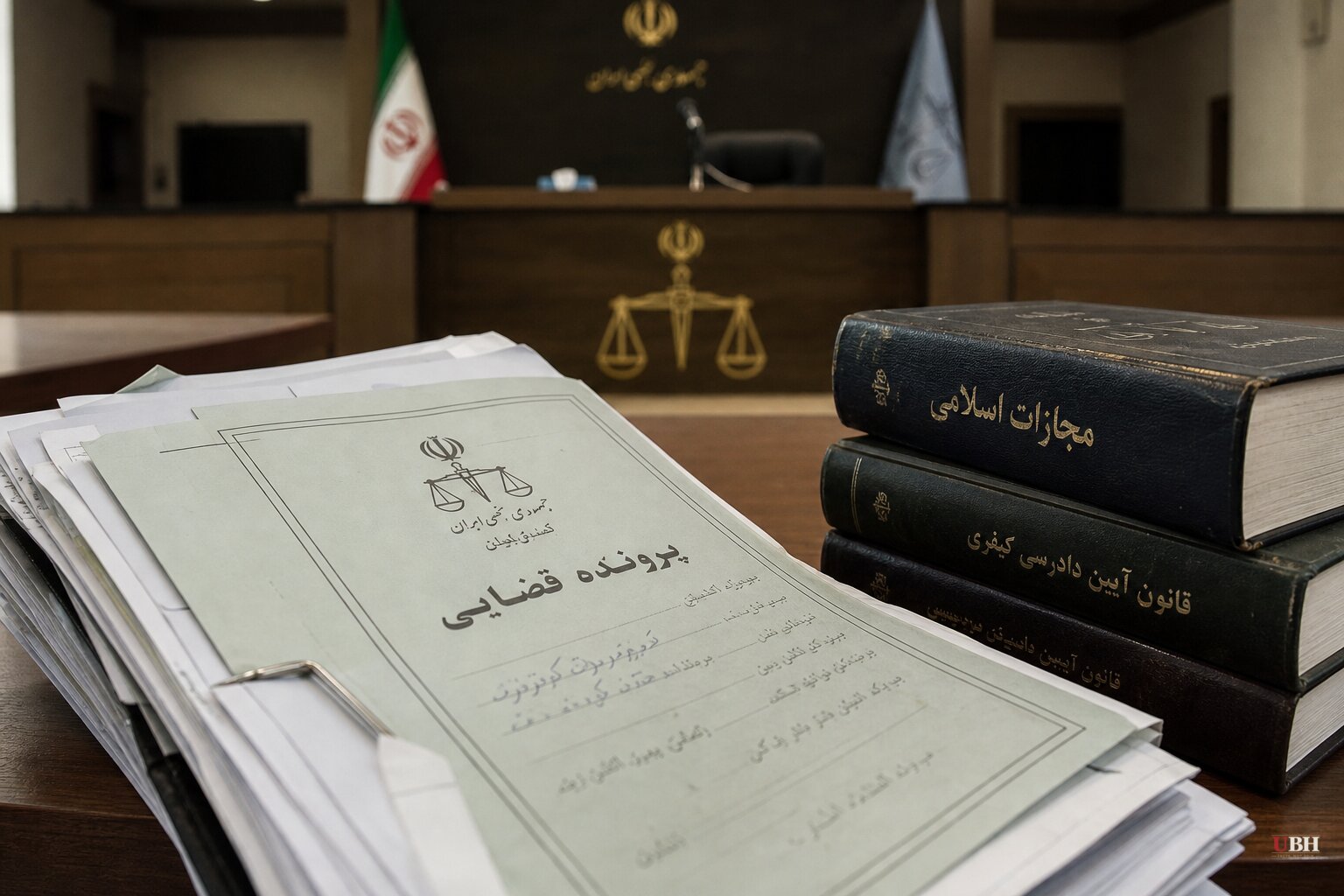
Since the January 2026 uprising and the crackdown that followed, killing thousands according to Independent Persian, Iran's revolutionary courts have kept the death sentences coming. The latest batch: 10 young protesters condemned in a single Isfahan trial, disclosed this month by political activist Mehdi Mahmoudian's Telegram channel and reported by Daily Wire.
The Isfahan Verdicts
Branch 1 of the Isfahan Revolutionary Court sentenced 10 of 16 defendants in the so-called "Isfahan Shohada Square" case to death, according to Daily Wire. Among them: 20-year-old Taraneh Rahimi, along with Navid Elyasi, Mehrdad Boeri, Abolfazl Dadgostar, Armin Gholami, Mehdi Mansouri, Ahmadreza Saeedi, Mohammadmehdi Asadi, Parsa Jafari and Mehdi Jafari.
Rahimi's twin sister, Romina Rahimi, got 25 years alongside co-defendant Milad Boeri. Four others received five to 15 years. All 16 defendants were tacked on extra time for "incitement" and "propaganda against the establishment," Daily Wire reported.
Defendant Ahmadreza Saeedi told the court directly that his confession was extracted through torture, according to Daily Wire. A formal abuse complaint from a female detainee was reportedly ignored by the court. Defense attorneys say they were blocked from reviewing case files entirely.
Exiled Iranian Crown Prince Reza Pahlavi called the verdicts "brutal and unjust" and demanded the international community act, per Daily Wire's reporting. No response from Iran's judiciary to the specific torture allegations appears in any of the available reporting.
A Second Death Sentence, Twice
Independent Persian's reporting, carried by The Independent and Yahoo News, profiles individual cases building outside the Isfahan trial headlines. Mehrdad Takesh, 33, a motorcycle repair shop owner from Dizicheh, was arrested January 14 and has now been sentenced to death twice on "enmity against God" charges.
A source told Independent Persian that Takesh was tortured in detention, breaking both of his hands, and that his family had no information on his whereabouts for four months. The only evidence against him, the source said, is a confession obtained under torture.
Sepehr Amirzadeh, a medical student in his early twenties arrested January 15, faces the same charge and is held at the same facility, Dastgerd Prison in Isfahan. Independent Persian reports that human rights activists and released political prisoners say the public list of names represents only a fraction of those actually sentenced to death, and that interrogators have told families to stay silent in exchange for a chance at leniency.
The Alikhani Square Case Grinds On
A parallel case, known as Alikhani Square, illustrates how unstable even a favorable legal ruling can be. Iran International reported that Alireza Sepahi, sentenced to death over the January protests, was moved to solitary confinement this week after his execution was halted in July by a medical emergency minutes before it was to be carried out.
Two other defendants in that case, Abolfazl Sepahi and Amirhossein Safari Hosseinabadi, were executed that same morning in July. Sepahi's lawyer, Shahrzad Shahbazi, says the Supreme Court's Branch 39 approved a retrial, but a parallel branch of the Isfahan Revolutionary Court rejected it without a hearing and forwarded the case straight to sentence enforcement. Shahbazi told supporters this week she intends to file another retrial petition Saturday.
Amnesty International has named Sepahi among eight Alikhani Square defendants it says are at imminent risk of execution, calling the mass trial "grossly unfair," according to Iran International. Of 15 defendants originally sentenced to death in that case, one sentence was overturned and 14 were upheld. Five have already been executed.
The August Tally
A human rights report on Iran covering August 2026, summarized via Ground News, put the month's toll at a minimum of 82 executions and 152 arrests, with women, political prisoners, Kurds, Baluch citizens and January uprising detainees named as particularly vulnerable populations.
Trump's Promise, Unfulfilled
When the January protests erupted, Trump warned Iranian security forces against firing on demonstrators and cast himself as their protector, according to Independent Persian. Eight months later, with a war underway since February, Trump this week asked publicly when Iranians would "rise up and fight," a comment Independent Persian frames as a sign of his growing frustration at being unable to exit the conflict.
Committing U.S. ground forces to an internal Iranian uprising would be a far bigger and riskier step than airstrikes on nuclear and military sites, and Trump has consistently avoided that. Critics counter that publicly demanding Iranian civilians take up arms against a regime currently executing them for doing exactly that, without any accompanying U.S. commitment, puts the burden entirely on people already facing torture and the gallows.
None of the sourcing here includes a response from Tehran's judiciary to the specific torture and due-process complaints raised by defense lawyers and families. Shahbazi's retrial petition is the immediate test: whether Iran's Supreme Court order gets honored by the enforcement branch, or whether Sepahi becomes the sixth Alikhani Square defendant executed since July.
Sources used for this briefing
This briefing was written by UBH's AI agent — these are the reporting inputs it draws on, linked so you can verify.


