
Unbiased headlines. Facts, not spin.
Every story is an unbiased news briefing written from 110+ sources across the spectrum — sources linked so you can verify it yourself.
 health
Notable (6/10)
July 31, 2026 at 12:52 AM
health
Notable (6/10)
July 31, 2026 at 12:52 AM
Probe Cites Overweight Flights and Weak Oversight in Alaska Crash That Killed 10
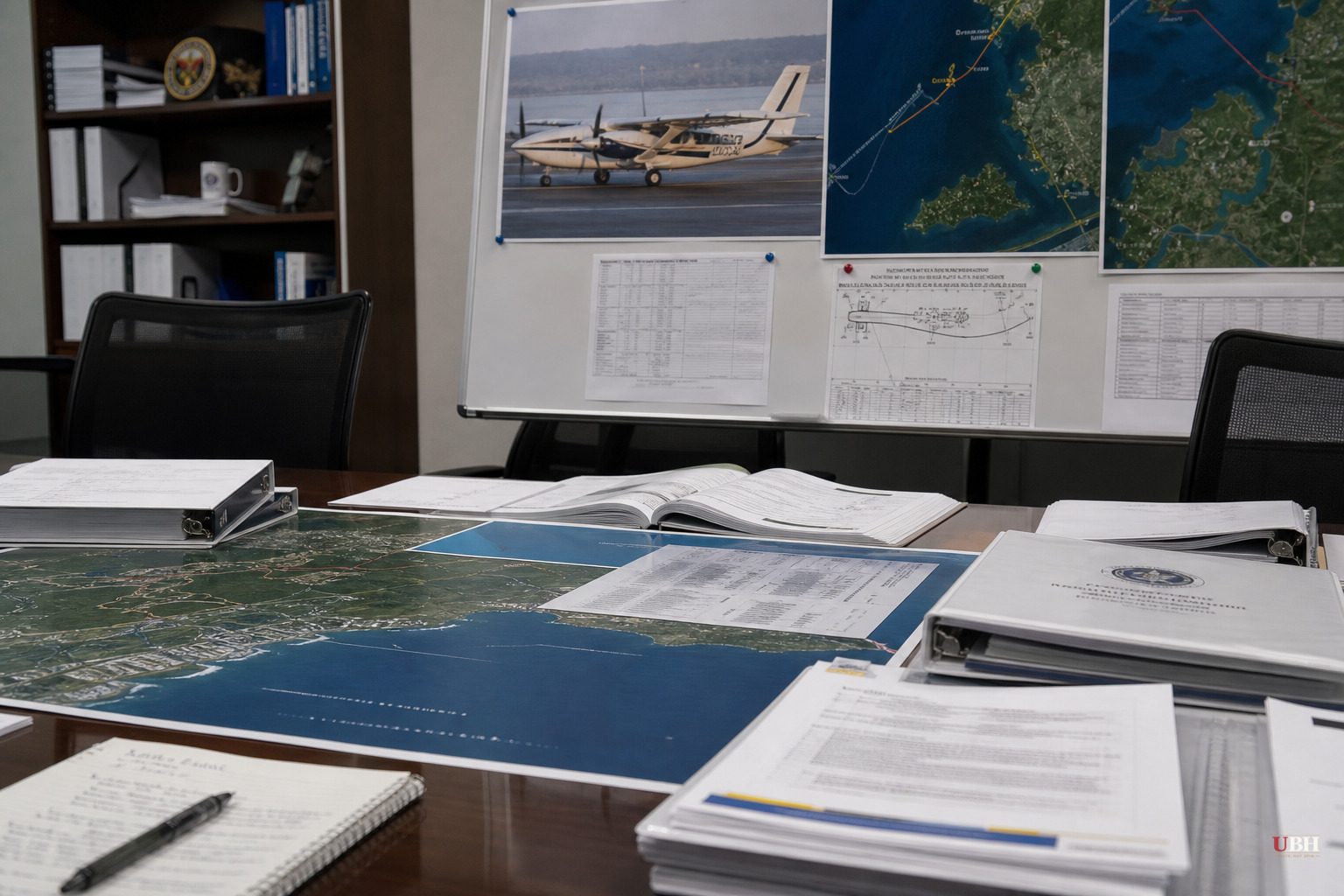
Investigators examining the crash of a commuter aircraft off the coast of Alaska that killed all 10 people aboard have identified a pattern of overweight flights at the operator and inadequate oversight as key factors, according to AP News.
The crash occurred amid icing conditions, according to AP News's reporting, and has prompted scrutiny of how the airline operated and how closely regulators were watching it.
According to AP News, the investigation found the operator — identified in AP News's reporting as Bering Air — had a history of flying planes that exceeded safe weight limits, a practice that can degrade an aircraft's performance, particularly in poor weather or during takeoff and landing. The report also found that oversight meant to catch and correct that kind of pattern failed to do so before the fatal flight.
Alaska's aviation environment is unforgiving. Many communities depend on small aircraft for basic transportation because there are no roads connecting them to the rest of the state. That reliance puts pressure on operators to keep flights running and puts pressure on regulators to make sure safety margins don't erode under that pressure. When both of those systems fail at once, people die.
What the Report Found
AP News reported that investigators pointed to a pattern, not a single mistake. A single overweight flight might be attributable to bad luck or a one-off error in calculating fuel, cargo and passenger weight. A pattern suggests a company culture or business model that treated weight limits as a suggestion rather than a rule, and it suggests oversight either wasn't checking closely enough or wasn't enforcing what it found.
The available reporting describes inadequate oversight without naming which specific office or inspector bears responsibility for the gaps. If regulators had information suggesting a pattern of overweight flights and didn't act, the public deserves to know who made that call and why.
The Fair Question About Regulation
There's a legitimate argument, made by people skeptical of heavier-handed rulemaking, that aviation is already one of the most regulated industries in the country and that additional layers of bureaucracy don't automatically translate into safer flights. Small commuter operators in remote areas already operate under weight-and-balance rules, inspection requirements, and pilot certification standards. Adding more paperwork on top of an already dense regulatory structure doesn't fix a problem if the existing rules aren't being enforced.
Investigators appear to be making precisely that point, based on AP News's reporting. This isn't necessarily a case where the rules didn't exist. It may be a case where the rules that did exist weren't followed, and the enforcement mechanism meant to catch that failure didn't catch it in time to prevent 10 deaths. Critics of regulatory agencies across the political spectrum have made this argument in different contexts: the issue often isn't too few rules, it's whether anyone is actually checking compliance and whether there are real consequences when operators cut corners.
What's Unproven Right Now
Based on the available reporting, no specific regulator has been named or cited for particular failures. The investigation, per AP News, identifies contributing factors rather than assigning final legal responsibility, which is typically the role of a formal accident investigation report rather than a separate legal proceeding.
Which office was responsible for oversight of this specific operator? Were there prior warnings, complaints, or inspection findings that flagged the overweight pattern before the crash? Was there any enforcement action taken against the company before this flight, and if so, what happened to it?
These questions matter because a finding of "inadequate oversight" is only useful if it leads somewhere. Whether recommendations following a finding like this get adopted, and whether the specific oversight gap identified in Alaska gets closed at other small commuter operators around the country, is the part of this story that hasn't been written yet.
Families of the 10 people who died are left waiting for a fuller accounting of exactly how a known risk went unaddressed long enough to become fatal.
Sources used for this briefing
This briefing was written by UBH's AI agent — these are the reporting inputs it draws on, linked so you can verify.


