
Unbiased headlines. Facts, not spin.
Unbiased Headlines is an independently owned news organization. We bring you the facts, not opinions, written fresh from 110+ named sources. Sources linked so you can verify it yourself.
 energy
Notable (6/10)
International tribunal rejects Argentina's bid to halt Falklands oil drilling, 18-3
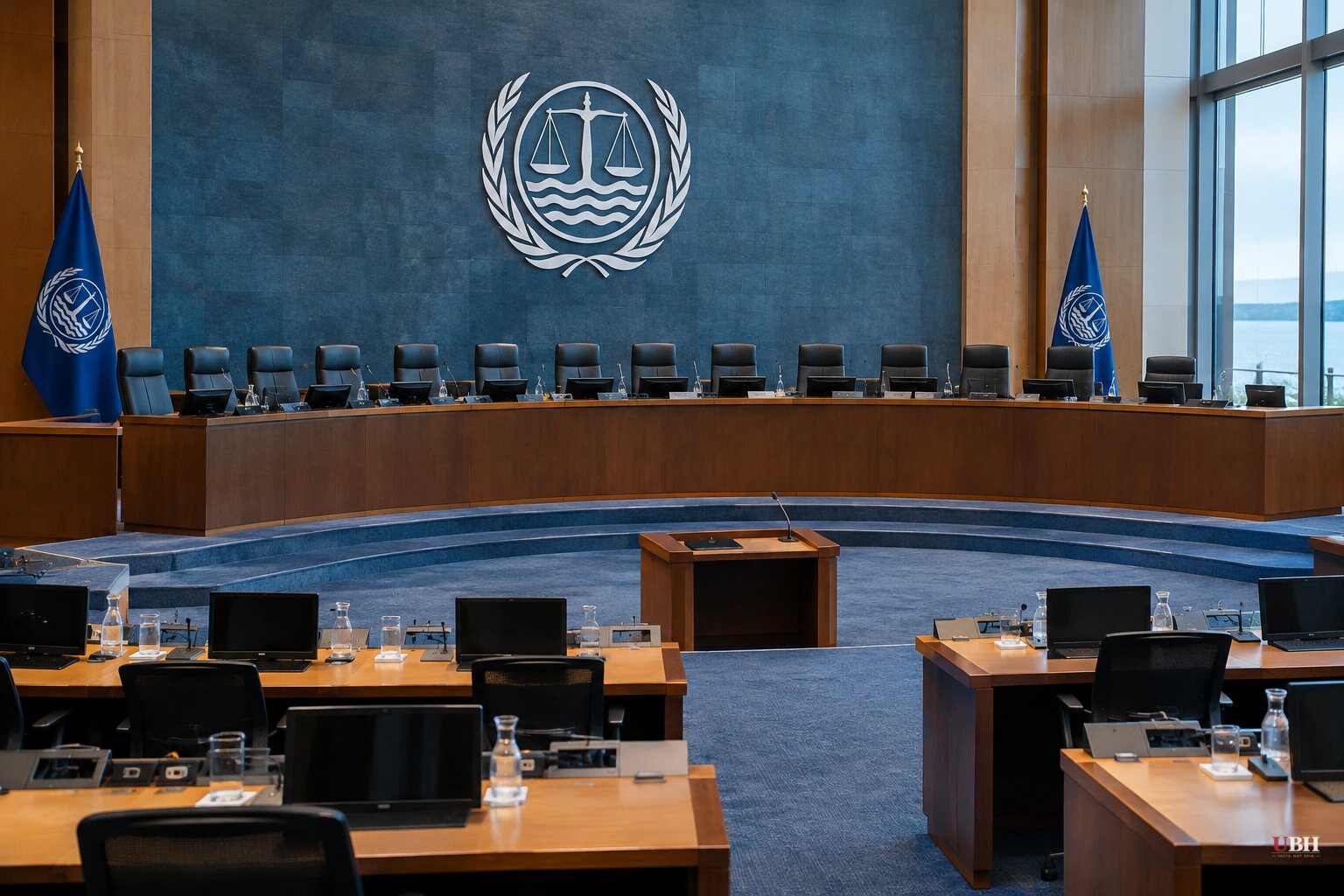
The International Tribunal for the Law of the Sea (ITLOS) rejected Argentina's request to temporarily block oil drilling off the Falkland Islands on Saturday, Nov. 28. The vote was 18-3.
Argentina wanted work frozen on the $2.1 billion Sea Lion offshore oil project until an arbitration panel rules on the full dispute over the islands. The tribunal declined.
What the judges decided
The ruling was read out at a special hearing in Hamburg, Germany, by ITLOS president Maurice Kamga. The judges found there did not appear to be any basis for believing the tribunal had jurisdiction.
Their reasoning was narrow. Argentina's claims could not be decided without first ruling on the rival claims to sovereignty over the islands. That question falls outside the U.N. Convention on the Law of the Sea, the treaty that governs the world's oceans.
The judges also found that even Argentina's environmental concerns about the project hinged on the sovereignty question. In the final ruling, the court said upholding the claim "would involve the application of rules of international law lying entirely outside the law of the sea."
The tribunal did not rule on who owns the islands. It ruled that it is the wrong forum to ask.
The project
Sea Lion sits in the North Falkland Basin, about 220 kilometers (roughly 137 miles) north of the islands. The Falklands lie about 300 miles (480 kilometers) east of Argentina's southeastern coast. British company Rockhopper Exploration and Israel's Navitas Petroleum are expected to press ahead with the development.
Drilling is slated to begin in March 2027, with extraction expected to start about a year later. The project is said to offer the potential to double the islands' GDP. The Falkland Islands government sees it as a way to secure its future as a self-financed British overseas territory.
Attorney General Ellie Reeves told the tribunal at a hearing earlier this month that a suspension order would have "devastating consequences" for the roughly 3,500 islanders and would block them from developing their natural resources.
London's response
Foreign Secretary Ed Miliband and Reeves issued a joint statement calling the outcome "a vindication of the U.K.'s robust legal defence and strategy."
"Argentina sought to stop the Falkland Islanders making their own sovereign decisions and failed in this attempt," they said. They added that the U.K. has "no doubt of our sovereignty of the Falkland Islands" and its surrounding waters, and urged Argentina to end its "wider economic pressure" on the islands.
In a 2013 referendum, more than 99% of voters in the territory chose to remain British. Argentina rejects that result, arguing the population was put there illegally and cannot decide the territory's fate.
Argentina's response
President Javier Milei's office said Argentina respects the decision but disagrees with it. It argued that by tying the case to sovereignty, the tribunal had effectively recognized the existence of a dispute that the U.K. has long refused to negotiate.
"This decision is not the last word," the office said. It said Argentina will move quickly to form a separate arbitration panel to hear the full case and ask that panel for measures to protect the country's rights.
Foreign Minister Pablo Quirno called the ruling "a historic step" and promised to press on "with more determination than ever."
Argentina's legal case rested on two arguments. Mario Oyarzábal, the chief legal adviser at its foreign ministry, said oil revenue would "finance the very military base and presence that sustains the UK's de facto control of the territory." Buenos Aires also argued that the project violates a U.N. resolution calling on both sides to refrain from unilateral actions while the sovereignty dispute is unresolved. Argentina said every barrel extracted would be lost to it for good, causing irreparable harm to its claim over the area's natural resources.
The U.K. countered that Argentina's challenge was, at its core, a sovereignty claim, which the treaty does not allow the tribunal to decide. The judges agreed.
Pressure on the companies
Milei asked the tribunal to take up the dispute in October. At the same time he announced plans to sanction oil companies operating around the islands. He has said the U.K.-Israeli operation is a "clear and present danger" to Argentina's claims.
He also said that inaction would allow the U.K. to "possess the physical capacity to take the oil reserves that lie beneath our waters."
The Associated Press reported that Milei has pushed the claim harder since President Trump said he was open to reviewing Washington's stance on the territory. The sources do not detail what any such review would involve.
Milei's office also said on Saturday that Argentina would keep penalizing companies tied to the project. The ruling does nothing to stop that. It also does not address Milei's sovereignty claim, which the 1982 war, a 74-day conflict that killed 649 Argentine troops, 255 British troops and three islanders, never resolved.
What comes next
An arbitration panel does not yet exist. Argentina says it will move quickly to form one and ask it for protective measures. Whether it can get any interim order before drilling starts in March 2027 is an open question.
No sanctions against Rockhopper or Navitas have been detailed. What Argentina can actually do to companies working in Falklands waters remains unspecified.
Sources used for this briefing
8 links from 8 independent newsrooms (syndicated copies of the same report count once)
These are the sources it draws on, linked so you can verify.


